

EVERYONE’S breasts look slightly different, but did you know that the size of your breasts could impact your health?
From migraines to even potential signs of breast cancer, research suggests that cup size may be linked to certain health issues.
Different breast sizes may be an indication of different health conditions Credit: Getty
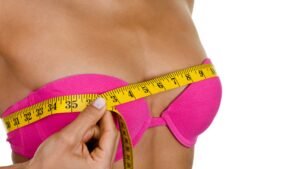
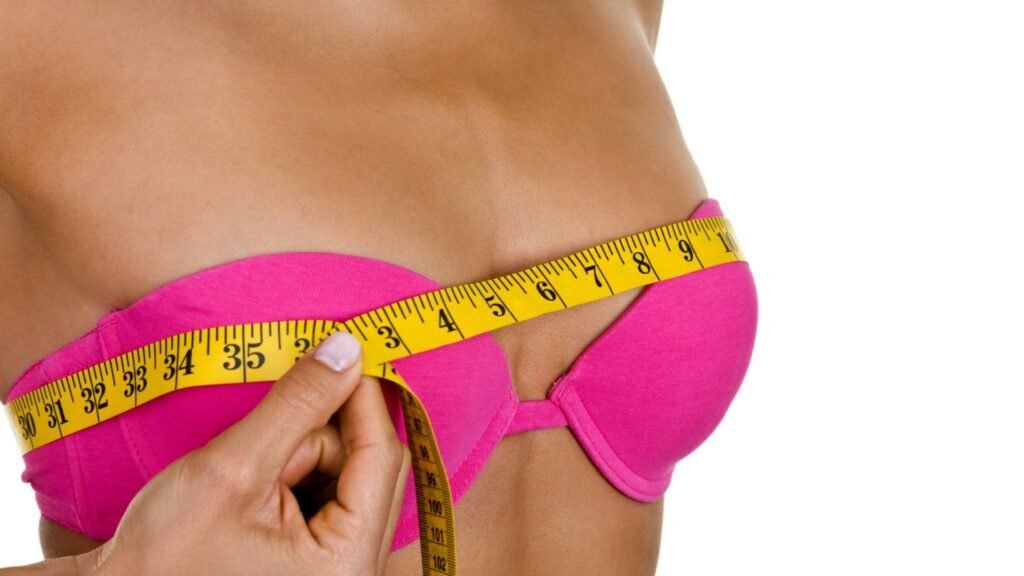
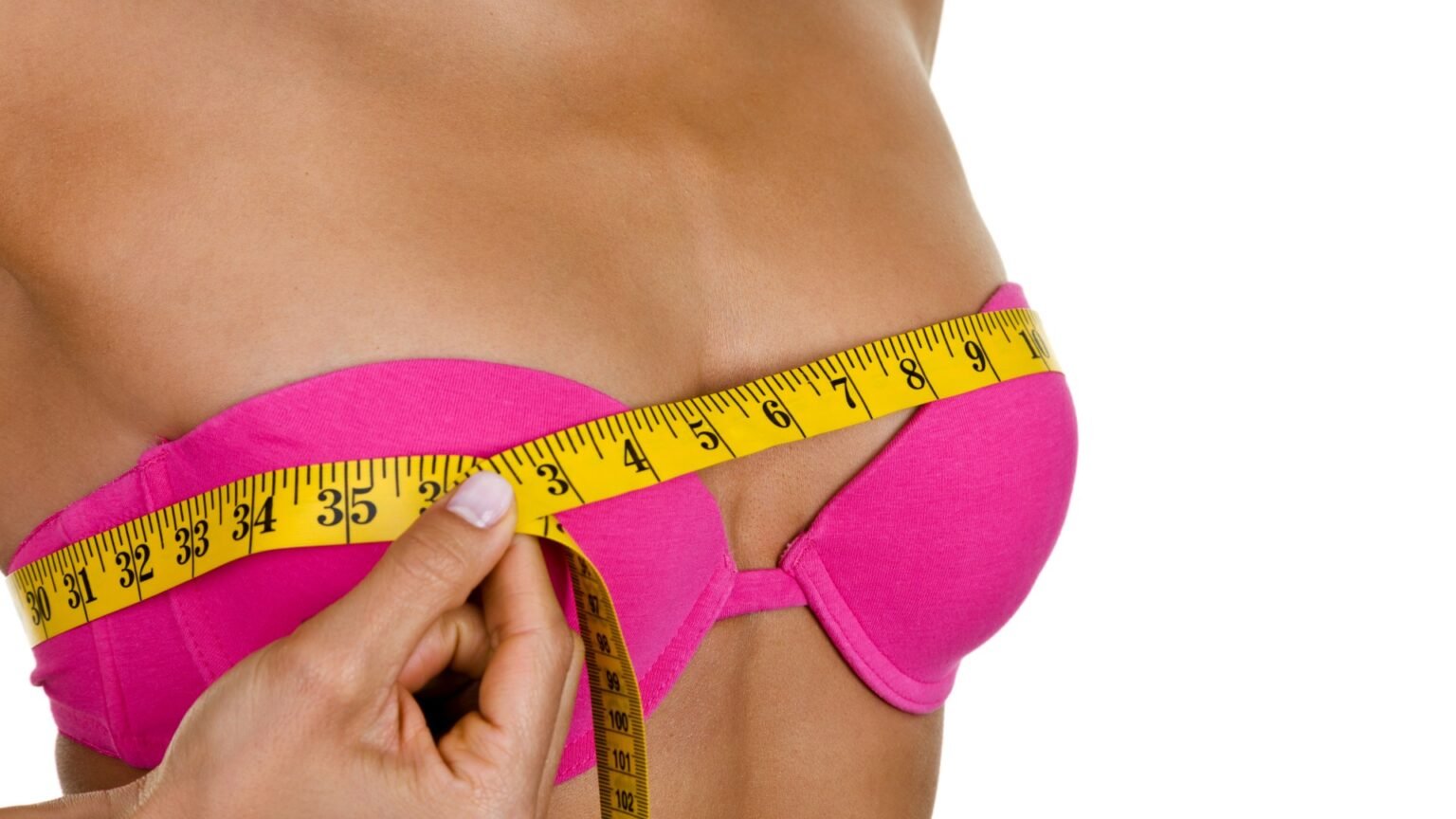
Breasts come in all different shapes and sizes, and it is important to regularly check them
In many instances, it is normal to experience breast-related discomfort – from ill-fitting bras digging into your skin to larger breasts causing back pain.
But, according to a study published today, women with larger breasts may also be more likely to experience health conditions that “impact their quality of life”.
Sign up for the Health newsletter
Thank you!
US researchers found that there may be a link between enlarged breast tissue – known medically as macromastia – and several common neurological and sleep conditions.
“Many people think of enlarged breast tissue primarily as a cosmetic issue, but our findings suggest it may be associated with a broader range of women’s health concerns, including chronic migraine, neck pain and sleep-related breathing disorders,” says Kristyn Pocock, lead author of the study and assistant professor of neurology at Wake Forest University.
HEALTH CHECK
Urgent warning over common drug linked to 12 deaths & 300 overdoses
MUM’S AGONY
I thought my boy, 6, was clumsy – now we don’t now how long he has left to live
Macromastia is a condition in which one or both breasts grow disproportionately large, relative to the rest of the body.
It can be triggered by hormones, puberty, pregnancy, weight gain, and even certain medications and treatment options are fairly limited.
According to the study, women with the condition were found to be about 40 per cent more likely to have chronic migraines, twice as likely to experience neck pain and around 50 per cent more likely to have obstructive sleep apnoea.
Scientists also observed that women with macromastia were more than twice as likely to have cervical radiculopathy – an irritated nerve in the neck that can cause pain, numbness, tingling or weakness in your arm or hand.
To address the health issues caused by larger breasts, some women seek breast reduction surgery in order to relieve the symptoms.
But to get the operation on the NHS, women must meet certain criteria – including back, shoulder and neck pain – and migraines and other conditions identified in this study are not included on the list.
Speaking about the findings, Ms Pocock said: “By better understanding these connections, we can help ensure women receive more comprehensive evaluations and care for symptoms that may affect their daily lives.”
So, what does your breast size mean for your health?
1. Small breasts (AA to B cup)
There is actually no medical definition for small breasts Credit: Getty
There is actually no formal definition for ‘small breasts’ in medical literature.
The size is partially dependent on how it appears in proportion to the rest of your body.
Most women with a smaller breast size are genetically predisposed to have this but in some cases, women can experience micromastia – underdeveloped breasts post puberty.
According to the Harley Medical Group, on very rare occasions there is actually no breast tissue at all, called amastia, or no breast tissue and no nipple or areola, called athelia.
It must be noted that small breasts do not lead to a smaller risk of breast cancer.
Dr. Kirtly Parker Jones, a women’s health expert, says that all breast sizes need mammograms.
And Dr. Helene Mrose, a breast imaging specialist, adds: “Size does not matter. People with small breasts and large breasts get breast cancer in equal frequencies, or so we think.”
So, no matter the size of your breasts, remember to check them regularly.
2. Average size (36D)
In the UK, the average breast size has increased in recent years, from a 34B to 36D.
One Australian study published in 2020 in Sage Journals also suggested that 14DD – equivalent to 36DD – was the average size of women’s breasts.
The study found that the larger people’s breasts were, the more likely they were to experience upper back pain.
The breast is made of glands, fat and connective tissue. Breasts make up around 1 per cent of women’s body weight and 4 to 5 per cent of body fat.
Bigger breasts contain more fat and are therefore heavier, putting strain on the upper body.
Women with average size breasts may also experience irritation or rashes beneath the breast, caused by sweat and friction and sometimes encouraged by an uncomfortable bra.
3. Large breasts (Bigger than a DD)
Women with larger breasts may consider breast reduction surgery if they impact their day to day lives Credit: Getty
For women with large breasts, the chance of suffering from back, shoulder and neck pain sadly only becomes more likely.
What’s more, the pressure from bra straps supporting heavy breasts can cause significant problems for women, creating painful marks on the shoulder and potentially compressing nerves.
The likelihood of suffering from irritation below the breast also unfortunately increases with large breasts.
Due to all of these factors, some may want to get breast reduction surgery to make them feel smaller and lighter.
Guidelines state that you may be able to get this operation on the NHS if other options (such as wearing professionally fitted bras) have not worked, and you have health problems caused by having very large breasts.
These include back, shoulder and neck pain, skin irritation under the breasts, grooves on the shoulders from bra straps, low self-esteem or depression and not being able to take part in sport or exercise.
Recent data from the International Society of Aesthetic Plastic Surgery shows that 652,676 breast reduction surgeries were carried out worldwide in 2024.
Signs of breast cancer and the importance of screenings
Signs and symptoms of breast cancer include:
A lump or swelling in the breast, upper chest or armpit
A change to the skin, such as puckering or dimpling
A change in the colour of the breast – the breast may look darker, red or inflamed
A nipple change, for example it has become pulled in (inverted)
Rash or crusting around the nipple
Unusual liquid (discharge) from either nipple
Changes in size or shape of the breast
On its own, pain in your breasts is not usually a sign of breast cancer.
But look out for pain in your breast or armpit that’s there all or almost all the time.
One million people are missing screenings
Thousands of women may be living with undetected breast cancer after missing screening appointments.
The NHS warned about a third of eligible patients did not accept the free test offer last year.
Figures show that was just over one million people, and 2.2million have missed an appointment in the past three years.
An estimated one in 100 women are diagnosed with cancer after screening.
In 2023 there were 18,942 tumours detected out of 1.93million women screened for breast cancer, but a further 1.05m women who were invited did not attend.
The one per cent detection rate means there were potentially 10,000 missed cases.
Screening is generally offered to women every three years between the ages of 50 and 71, when their risk increases.
Scans are carried out in local clinics and hospitals, as well as in roving scan vans in some places.
Women who have had a mammogram should still check their breasts regularly.
4. Asymmetrical
Having asymmetrical breasts simply means that one breast is a different size, shape, or position than the other.
Experts say this is completely normal and is thought to affect more than half of women.
Breasts often develop at different rates or stop at different sizes during puberty.
Hormonal fluctuations, such as those experienced during pregnancy, menstruation, or menopause, can cause changes in breast size and shape, sometimes leading to temporary asymmetry.
Breastfeeding and a baby favouring one side for nursing, may also temporarily alter milk production and size.
Equally, lifestyle habits such as weight changes, exercise, and diet, can influence breast size and shape, as can posture.
In some cases, breast asymmetry can be caused by underlying medical conditions like fibrocystic changes or cysts.
But you should seek medical attention if you experience any sudden changes such as asymmetry that develops quickly or overnight or pain, or lumps.
5. Changing shape
The shape of your breasts will naturally change over time, particularly if you go through pregnancy and breastfeeding.
After breastfeeding, the ligaments stretch, connective tissues break down and skin can lose its elasticity.
This may cause breasts to droop and form more of a teardrop shape.
If you are worried about your breasts sagging, Dr Daniel Maman, a plastic surgeon specialising in breast reconstruction in the US, advises: “Lifelong good bra support is one of the few things women can do to fight the effects of gravity.”
He also tells people to avoid yo-yo dieting, as weight fluctuations can stretch the skin.
Doing exercises to build your pectoral muscles like push-ups – which firms the chest and makes breasts appear perkier – could also help with natural sagging.
When should I see a doctor?
It is important to speak to your doctor if you are worried about a change in your breasts Credit: Getty
Many breast changes that occur are nothing to worry about and can be caused by hormones in puberty, the menstrual cycle, pregnancy and menopause.
But if you are worried about a change, there is no harm in speaking to your doctor about it.
Breast changes that are worth seeking advice on include lumps, redness, warmth or swelling, pain, a change in colour, itching or rashes and discharge.
Most of us think of a lump when we imagine breast cancer.
But there are several other key signs you may not be aware of, such as discharge from the nipple.
You may also wish to see a doctor if you are worried that you have underdeveloped breasts with a medical cause that may affect your ability to breastfeed.
The NHS recommends that you check your breasts around once a month.
This helps you to learn what looks and feels normal to you, and to notice when something might be off.
Around 59,000 women and 420 men are diagnosed with breast cancer in the UK each year, and tragically, over 11,500 people die.
One in seven women get breast cancer in their lifetime.
Around two million women are screened for breast cancer each year within the NHS Breast Screening Programme.
Last year (2024/25), more than 19,000 cancer cases were found through screening alone.
It is currently for women aged between 50 and 70 every three years. Women should take up their invitation for a mammogram as soon as they receive it.