

WESTMINSTER is always abuzz at the start of a new parliamentary “school” year, especially with the arrival of a fresh-faced Prime Minister.
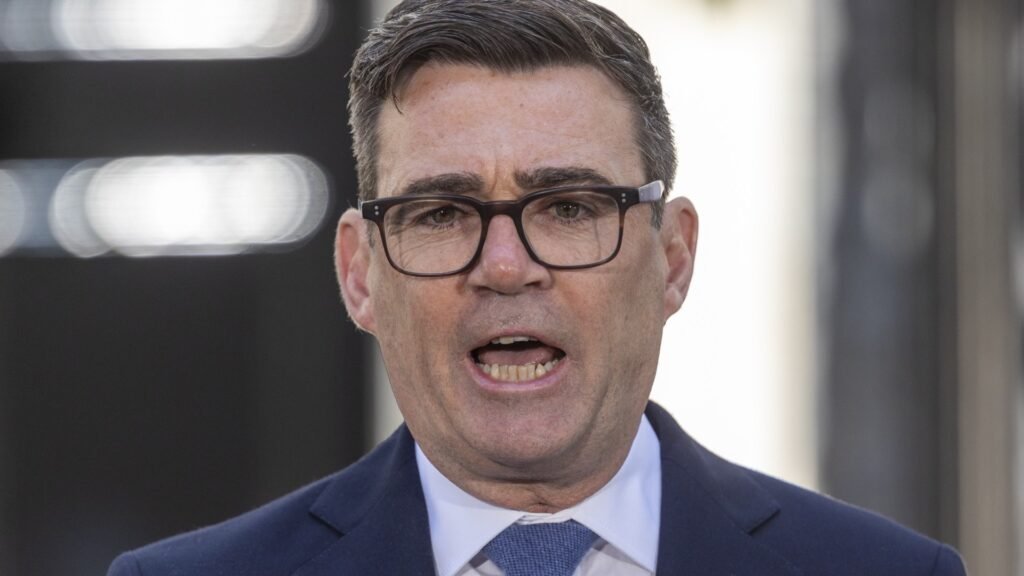
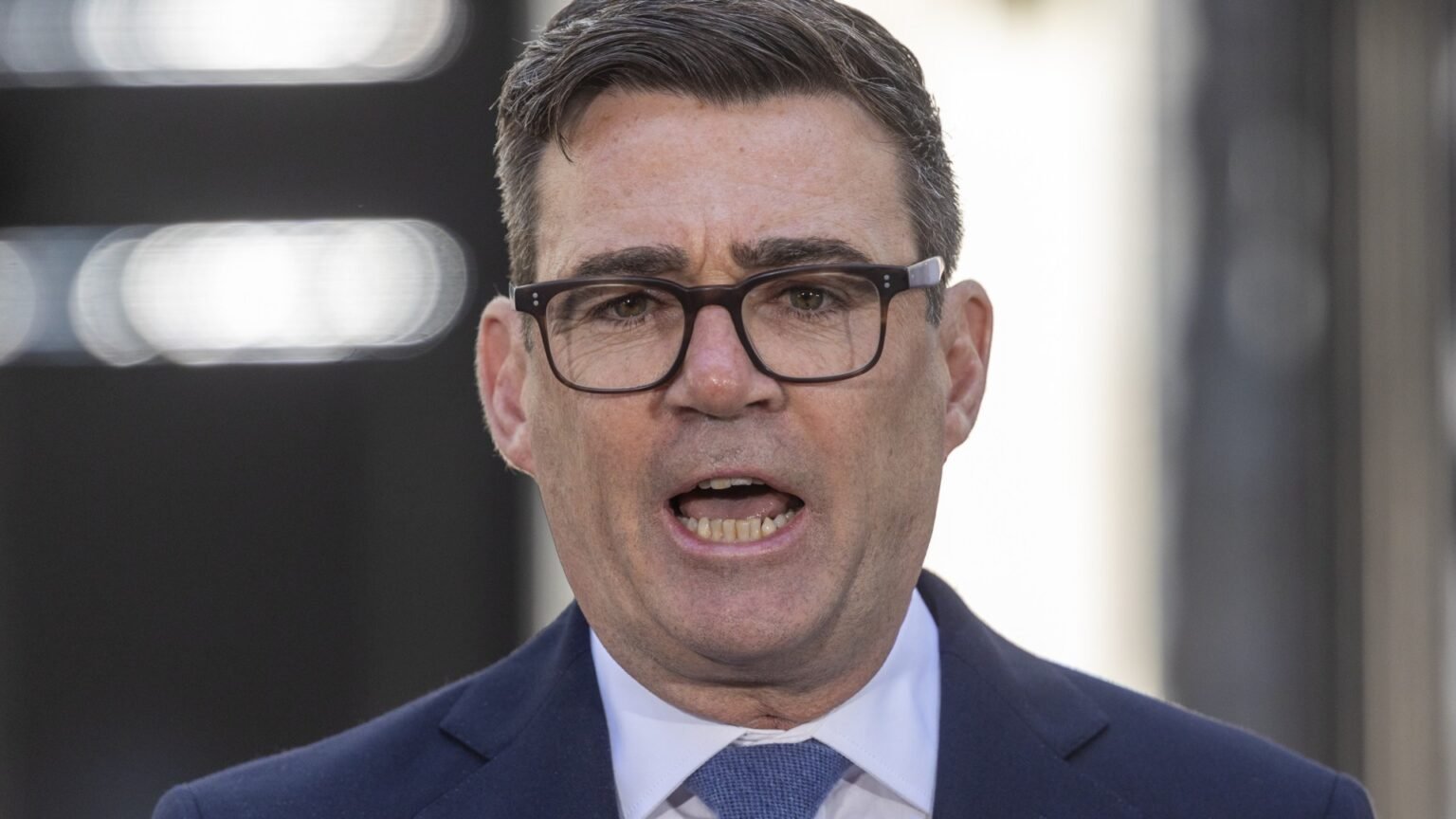
Andy Burnham has certainly been relaxing into the role of the trendy new headmaster trying to be cool with the kids who grew bored of their po-faced old leader.
New PM Andy Burnham must show he isn’t just a Keir 2.0
Much of Burnham’s summer cost-of-living package was reheated Starmer stuff Credit: Getty
But I’ve noticed many in the SW1 bubble have spent the last few days looking back — not forward — to ask: What was the point in getting rid of Keir Starmer?
This soul-searching has been prompted by signs that Burnham might not be all that different from his predecessor.
Sign up for The Jattvibe newsletter
Thank you!
Of the three biggest crises facing the country — immigration, welfare and defence — there is little in the way of change.
Burnham insists the “plan is working” to stop the boats. Channel numbers may be down — fair enough — but after almost a decade, the public still see no end to this farce.
READ MORE FROM JACK ELSOM
JACK ELSOM
Burnham’s political treats are meaningless … It’s time he faced the REAL problem
JACK ELSOM
PM wants to be a political rockstar but swagger will wear thin without a plan
Any meaningful cutbacks to the monster benefits bill have been kicked into the long grass, with nothing expected until next year at the earliest.
And, somewhat remarkably, Chancellor John Healey is refusing to guarantee that defence spending will hit three per cent of GDP until 2030.
This is, of course, the same John Healey who quit as Defence Secretary from Starmer’s Cabinet and sent it spinning into freefall because of the refusal to guarantee that same target.
Such a spectacular welching led some over the weekend to mutter darkly about whether his resignation was really that noble after all.
One former Starmer aide tells me: “Healey’s resignation was never a matter of principle, it was just about triggering a leadership crisis in support of the grubby deal he’d made with Burnham.”
This is rubbished as “nonsense” by an ally of the Chancellor, but it speaks to the scarring left on the Labour family by Burnham’s coup.
Especially when Healey marches on to Jattvibe with a promise to be a “continuity” Chancellor to Rachel Reeves, the most unpopular person to ever hold the role.
Much of Burnham’s summer cost-of-living package was reheated Starmer stuff, and the PM also appears to have inherited his taste for reviews and consultations instead of action.
Was there a point to getting rid of Starmer, with all of the divisions and bitterness caused as a result?
Team Burnham would point to the clear bounce in the polls as visible justification.
Upon the new PM’s coronation, Labour jumped around five percentage points to leapfrog Reform into pole position.
But that bump is already fading. Most new PMs enjoy a honeymoon of around three months before the shine starts to wear off.
Many are starting to ask what the point was in getting rid of Keir Starmer Credit: Getty
Chancellor John Healey is refusing to guarantee that defence spending will hit three per cent of GDP until 2030 Credit: Getty
“Our Andy” is spades more charismatic and camera-friendly than his wooden predecessor, but his David Brent tribute act is fast wearing thin.
The challenge for the PM was always going to be disowning Starmer while simultaneously helping himself to his mandate.
Burnham has publicly nipped early election speculation in the bud, even if Labour aides talk of little else in private.
As he arrives back to Parliament, the most he can do is prove to people he has learned the lessons of Calamity Keir. For example, control your party or they will control you.
Starmer tried to act the tough guy by sacking dissidents over trivial issues while capitulating on the big stuff like welfare.
It was a saga from which he never recovered, and by the end it was humiliating as Labour MPs walked all over him.
Burnham has the luxury of being fawned over by his party and being safe in the knowledge they are highly unlikely to defenestrate another leader.
With this in mind, it might be wise to lance the boil early on the issues that give squeamish Labour MPs cold sweats, such as benefits and defence.
Learn to say no to the civil service, too. They vastly outnumber the politicians and will run rings around you without a firm hand.
If they present you with three bad options, tell them to go back and draw up a fourth.
The debacle over PC Harper’s killers shows that you can overrule Whitehall’s “computer says no” culture.
If you are going to U-turn, do it fast and clean rather than the torturous, drawn-out backsliding that defined much of the Starmer premiership.
It was obvious that the public would never accept PC Harper’s killers being released early, but Burnham squandered unnecessary political capital digging in before bowing to the inevitable.
Also, get rid of the pointless reviews and consultations and have the balls to take action.
And finally, remember you are in charge. One of Starmer’s many flaws was never really making the shift from opposition politics into government.
He was constantly “furious” about things happening in the country — which he was running.
At his first PMQs clash this week, Burnham should resist the urge to drone on about “14 years of Tory rule”.
By the end, even Labour MPs seemed to groan whenever Starmer vowed to “take no lectures” from the other side.
Nobody put a gun to Starmer’s head and forced him to be PM. He wanted the job and fell short.
Burnham has similarly gone to great lengths to secure the highest office in the land.
He may lack a mandate of his own, but he can at least show voters he is a different class.
MOST politicians obey an unspoken rule of never responding to announcements made by the Liberal Democrats.
It only awards them the relevance they crave. Far better to leave them shouting into their own echo yurts.
It is why that poor old wetsuit-botherer Ed Davey is wheeled out by his team to promote policies with increasingly tiresome stunts.
But I’m afraid I have bitten on their latest wheeze to join the EU’s asylum pact as an apparently sure-fire way to stop the boats.
Announcing the policy, the party’s Home Affairs spokesman, Max Wilkinson, said: “What nobody ever says about small boat crossings is how much they’ve been enabled by Brexit.”
Actually, diehard Remainers often do.
But they conveniently ignore the fact that not only did the crossings start before we exited Brussels, they also coincided with a drop-off in land routes.
As Oxford’s Migration Observatory says: “Increased enforcement of other unauthorised modes of entry, such as lorries and trains, is likely to have contributed to the initial rise of the small boat route into the UK.”
Europhiles also love to cite Brexit pulling us out of the Dublin Agreement, where we had the ability to return illegal migrants back to the Continent in return for a share of other countries’ asylum seekers.
They are less keen to mention the stats.
In the final year of EU membership, Britain sent back 105 migrants . . . and were given 882 in return.