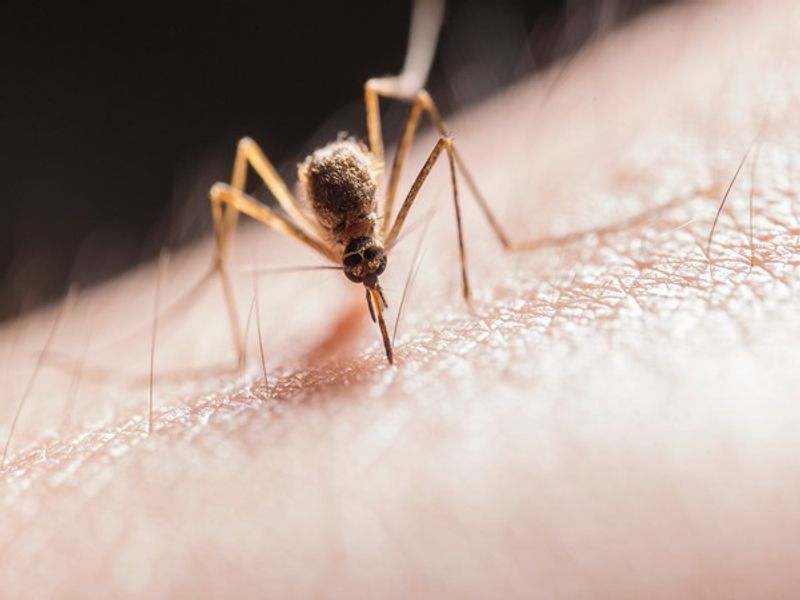

At first glance, releasing millions of mosquitoes into the environment may sound counterproductive. But Google believes it could be a powerful tool in the fight against mosquito-borne diseases.The technology giant is seeking approval to release up to 64 million laboratory-bred mosquitoes in parts of the US as part of a biological population-control programme aimed at reducing disease-carrying mosquito populations.The proposal, currently under review by the US Environmental Protection Agency (EPA), would see millions of specially treated male mosquitoes released across Florida and California over the next two years.Why does Google want to release millions of mosquitoes?The project is being led by Google’s mosquito-control initiative, Debug, which was launched in 2014 to develop innovative ways of reducing the spread of mosquito-borne diseases.Rather than relying heavily on chemical insecticides, the programme uses a naturally occurring bacterium called Wolbachia pipientis.Scientists infect male mosquitoes with a specific strain of the bacterium before releasing them into the wild. When these males mate with wild female mosquitoes, the resulting eggs fail to hatch.Over time, repeated releases can significantly reduce local mosquito populations.Importantly, only female mosquitoes bite humans. The released male mosquitoes do not bite, meaning the programme is not expected to increase mosquito nuisance levels.How the plan will workAccording to documents filed with US regulators, Google plans to release 32 million mosquitoes annually for two years, bringing the total to 64 million.The proposal outlines a phased rollout involving laboratory-bred male mosquitoes infected with Wolbachia bacteria.If approved, the project would become one of the largest mosquito population-control programmes undertaken in the US.The EPA is currently evaluating the proposal and reviewing public feedback before making a final decision.No official timeline or specific release locations have yet been announced.Has this method been used before?Yes.The Wolbachia-based approach has already been tested in several countries and regions around the world.According to Google, similar programmes have collectively released more than one billion mosquitoes globally and have reported success in reducing mosquito populations and, in some cases, lowering the transmission of mosquito-borne diseases.The technique is part of a broader scientific strategy known as sterile insect control, which has been used for decades against agricultural and livestock pests.Similar methods have previously helped control pests such as the New World screwworm, a destructive parasite that affects livestock, and the Mediterranean fruit fly.Why are mosquitoes a major concern?Mosquitoes are among the deadliest animals on the planet due to their ability to spread diseases.They can transmit viruses and parasites responsible for illnesses such as dengue, Zika, chikungunya, yellow fever and malaria.Public health experts have increasingly explored biological alternatives to insecticides because mosquitoes can develop resistance to chemical treatments over time.Supporters of the programme argue that biological population control offers a targeted and environmentally sustainable way to reduce disease risks.Why is the proposal generating debate?While scientists have largely viewed Wolbachia-based mosquito control as a promising technology, the idea of releasing millions of insects into the environment has triggered public discussion online.Supporters say the programme could help reduce disease transmission without widespread pesticide use.Critics, however, argue that long-term ecological impacts should be carefully studied before large-scale releases are approved.The EPA’s review process is expected to examine environmental safety, effectiveness and potential risks before any final clearance is granted.For now, Google’s mosquito project remains under regulatory scrutiny, but it has already succeeded in drawing global attention to one of the most unusual disease-control strategies being considered in recent years.