

ANDY BURNHAM’S premiership will either bring down the cost of living or it will be nothing.
And the signs are not looking good. Yesterday, Ofgem announced that its energy price cap will rise by four per cent in October, taking average household bills to £1,723, a £60 increase on current prices.
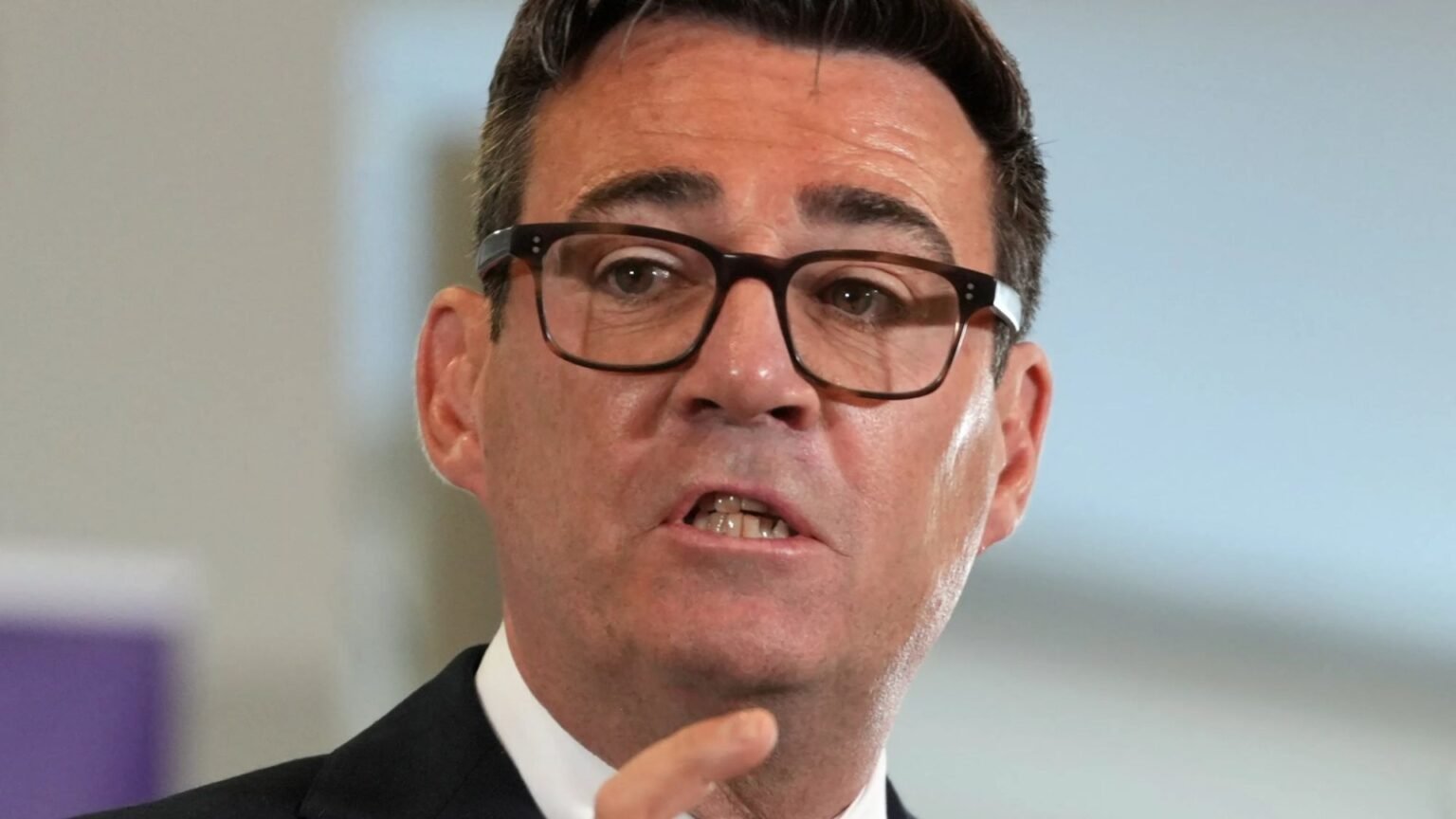
PM Andy Burnham can do very little about soaring bills battering Brits Credit: Getty
Average bills are now £150 higher than they were when Labour came to power in July 2024 Credit: Getty
This is devastating for the Prime Minister because it more than wipes out the gains from one of his big announcements in his first week: The temporary removal of VAT from energy bills. That was projected to save us £44.
Average bills are now £150 higher than they were when Labour came to power in July 2024.
Sign up for The Jattvibe newsletter
Thank you!
That is in spite of efforts by the former Chancellor, Rachel Reeves, to bring down bills by shifting green energy subsidies and other social costs on to general taxation.
That took effect in the spring and was supposed to take £150 off bills.
READ MORE FROM ROSS CLARK
ROSS CLARK
It’s time joyriding TikTok idiots are treated the same as groomers & paedos
ROSS CLARK
If Spain gets tough & sends back illegal migrants, then why can’t UK?
Were it not for that, Labour would have presided over a £300 increase in average bills.
Remarkably, this is the sum that former energy security and Net-Zero Secretary Ed Miliband said that his policies would reduce bills by.
Here are some explanations . . .
Why are bills going up?
Donald Trump’s war in Iran is behind much of the rise in energy bills Credit: Getty
THIS year’s sharp rises in energy bills are largely beyond the Government’s control.
They are fallout from President Trump’s war on Iran which has blocked the Strait of Hormuz, where the Persian Gulf joins the Indian Ocean.
Up until February a fifth of the world’s crude oil and liquefied natural gas passed through this narrow channel.
Nevertheless, the Government’s problem is not just that energy prices are rising — it is that UK households are paying through the nose for electricity, and have been for years.
According to the International Energy Agency, we have the 46th highest prices out of 47 countries.
In 2024 we paid an average of 30.45p per kilowatt-hour, compared with the equivalent of 23.75p in France and 12.86p in the US.
Only in Germany (33.46p) do consumers pay more. Interestingly, Germany is one of the few countries to generate more of its electricity from renewables than does Britain.
Would drilling for oil and gas in the North Sea help?
OPPONENTS of new licences insist that they won’t help bring down prices for UK consumers because oil and gas are global commodities and will simply be sold “at the international price”.
The Tories have suggested that more North Sea gas could ultimately lower price by generating more tax revenue.
This said, the Jackdaw field — on which a decision is due imminently — would provide only six per cent of UK gas at its peak, so it won’t bring prices crashing to US levels.
Where is Ed Miliband’s promise that green energy would cut bills by £300 a year?
Energy Sec Ed Miliband promises that green energy would cut bills by £300 a year Credit: Getty
HE based his claim on a paper by an energy think tank called Ember in 2022.
At the time, gas prices were sky high thanks to the Ukraine invasion, while wind power seemed cheap.
But since then, gas prices have fallen while the price of offshore wind has doubled.
In 2022, the Government was offering offshore wind farm operators a long-term, index-linked price of £37 per megawatt-hour.
In this year’s auction it agreed to pay around £91 per megawatt-hour.
The cost of upgrading the National Grid to make it handle large quantities of intermittent renewable energy is also pushing up bills.
Even Ember has disowned the £300 claim.
When will prices go back down?
Prices might look very different come Spring Credit: Getty
WHOLESALE gas prices in Europe have already stabilised as the world adjusts to the blockage of the Strait of Hormuz.
Saudi Arabia is developing new infrastructure to divert oil to ports on its Red Sea coast, while Israel is looking to lay a pipeline to bring natural gas direct to Europe, reducing dependence on imports of liquefied natural gas by ship from Qatar.
There is also the prospect of Iran negotiating a lasting ceasefire while it still enjoys the leverage of high oil and gas prices.
No one can predict energy markets, but we could be in a very different situation by the spring.
Is it worth shopping around for a better deal?
Yes, even though Ofgem’s price cap has reduced the price difference between suppliers.
You should consider how much you are paying for gas and electricity relative to the standing charge (a fixed sum added to your bill regardless of how much energy you use).
Some tariffs have high standing charges and relatively low per-unit energy charges, while some are the other way around.
Heavy users will do better by opting for the former, light users the latter.
What if I can’t afford my bills?
YOU should contact your supplier.
Energy companies are obliged by Ofgem rules to help customers who are in financial distress, such as by coming up with payment schemes that give you longer to pay.
They will also be able to advise you on how to apply for the Warm Home Discount, a government scheme which offers low-income households up to £150 off their bills.
Don’t wait until you are deep in the red — that will add stress, as you have to fend off debt collectors.