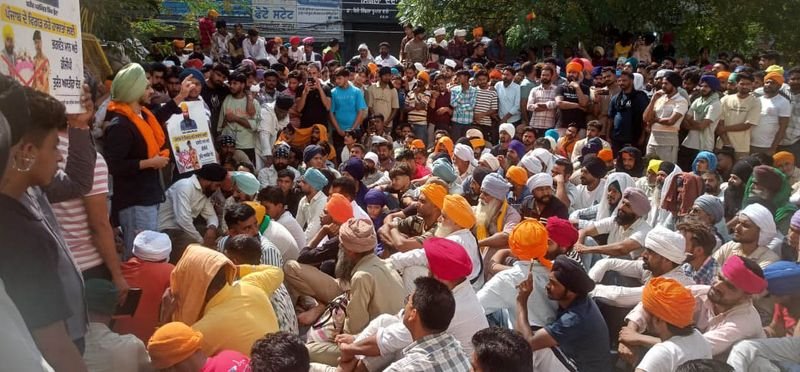

The killing of anti-drug activist Parvinder Singh Jhota in Mansa has triggered widespread anger, resulting in the Punjab bandh for Thursday. It has also brought the cotton-growing district—which has a long history of peasant struggles and political resistance, and an enduring tradition of challenging authority—back to the centre of political discourse in the state.For Mansa, the past is particularly significant. Parts of the present-day district were historically linked to princely states, including Patiala and Kaithal (now in Haryana). The Namdhari or Kuka movement spread into the area during the 19th century, becoming part of the wider struggle against British rule and social injustice.Kishangarh village in the district occupies an important place in Punjab’s agrarian history. Here, four tenant farmers were killed on March 19, 1949, during the PEPSU Muzara movement, a struggle against the feudal landholding system. The movement contributed to land reforms, including the PEPSU Occupancy Tenants Act of 1953. Mansa later witnessed Naxalite mobilisation and participated widely in the 2020-2021 farmers’ agitation. At the time, leaders such as Jagir Singh Joga, Bhagwan Singh Longowalia and Teja Singh Sutantar played important roles in the struggle against the feudal landholding system.Hardev Singh Arshi, former MLA and National Council Member of the Communist Party India (CPI) from the Budlada Assembly constituency in the district, said the place has produced many martyrs and been central to historical agitations. Apart from getting justice for Jhota, the anti-drug crusade has taken centre stage in state politics.“Mansa will again become the torchbearer in the crusade against the drug menace in the state,” Arshi told The Tribune.Located in the southernmost part of Punjab, Mansa is located in the politically crucial Malwa belt that holds 69 of the 117 Assembly seats—making it the decisive battleground in state elections. In 2022, the Aam Aadmi Party (AAP) swept 66 of Malwa’s 69 seats, underlining the region’s importance in determining the direction of Punjab politics.The protests over Jhota’s killing have added a new chapter to this history, bringing the drug menace and need for accountability into sharp focus.The agitation has a different immediate context. Jhota, who had campaigned against the alleged illegal sale of addictive substances, was shot dead during a confrontation outside a chemist shop while live-streaming the incident on Facebook. The killing triggered protests in Mansa, followed by demands for a Central Bureau of Investigation (CBI) probe and accountability from the state government.His family has refused to perform the last rites until justice is secured. Farmer organisations, traders, employee unions and opposition parties also supported the statewide bandh call.The response has also exposed the political stakes surrounding the state’s drug problem. For the Opposition, the killing has become an opportunity to question the government’s handling of law and order and the alleged availability of addictive substances.At the same time, the state government has promised a thorough investigation and strict punishment for those found responsible.Though the Muzara struggle might have had an entirely different context, the latest incident has the potential to turn the drug menace into a larger political question.