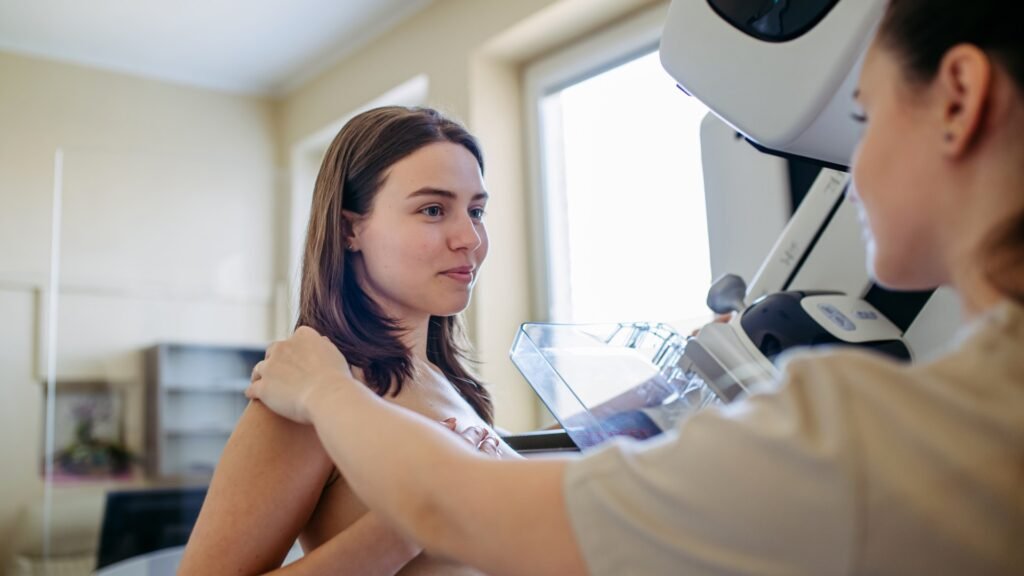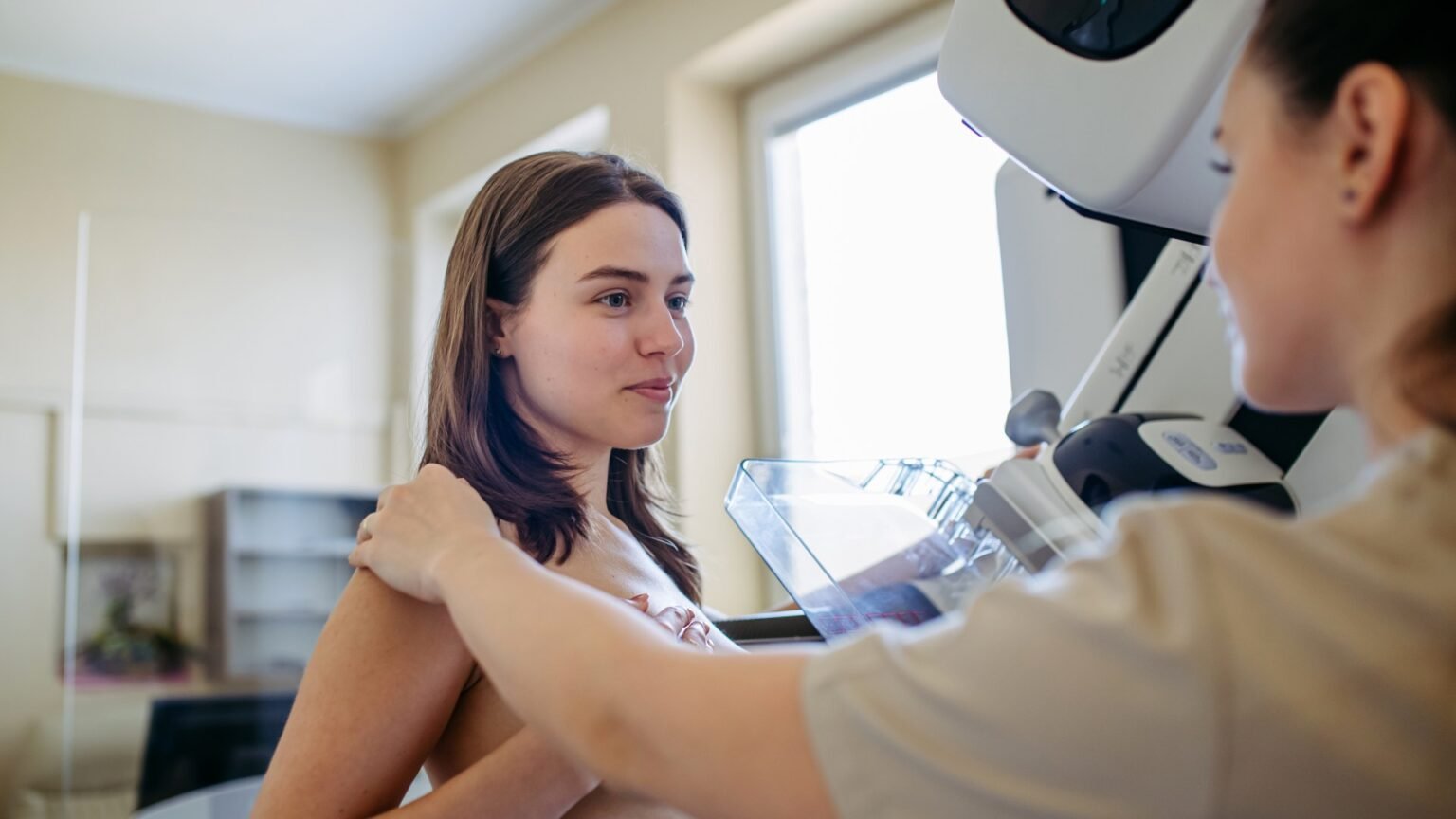


WOMEN born between 1966 and 1996 could reduce their risk of getting breast cancer by tackling two common habits, research has suggested.
Every year, there are around 59,000 new cases of breast cancer.
Credit: Getty
Experts estimate that a quarter of cases could be prevented by people cutting down on smoking, maintaining a healthy weight and exercising more frequently – as cigarettes and obesity have both been linked to a higher risk.
But now, a study has found that lifestyle factors known to increase the chances of developing cancer actually differ depending on which life stage women are at.
Sign up for the Health newsletter
Thank you!
In particular, women in their 30s to 50s – born between 1966 and 1996 – should pay attention to how much alcohol and excess fat they consume, to help cut their risk of breast cancer.
Professor Marc Gunter, chairman in cancer epidemiology and prevention at Imperial College London, said: “Early to mid-adulthood, from around the 30s to 50s, could be a key period for tackling rising body mass index (BMI) and renewed increases in alcohol consumption.
Read more on breast cancer
LIFE S-AI-VER
NHS breast cancer scans ‘can spot heart disease’ and could diagnose earlier
CHECK UP
Warning as GPs fail to spot 95% of women at risk of breast cancer under NHS rules
“By identifying when these behaviour transitions are most likely to occur, the findings could help inform more tailored public health strategies aimed at reducing breast cancer risk across the population.”
Professor Gunter also said that the study, published in the journal Scientific Reports, showed that “adolescence and early adulthood may be a particularly important time to encourage physical activity and help prevent rapid weight gain“.
To carry out the research, scientists at Imperial College London and the Institute for Cancer Research, London analysed data from more than 110,000 women taking part in the Breast Cancer Now Generations study.
The findings showed how major breast cancer risk factors related to lifestyle – such as alcohol consumption, smoking, exercise and weight – change throughout the course of people’s lives.
While alcohol consumption, smoking and exercise peaked in the late teenage years, body fat steadily increased throughout adulthood, peaking in people’s late 60s.
Experts also found that women born between 1960 and 2003 – now aged between 65 and 22 – generally had a higher BMI throughout their life.
Signs of breast cancer and the importance of screenings
Signs and symptoms of breast cancer include:
A lump or swelling in the breast, upper chest or armpit
A change to the skin, such as puckering or dimpling
A change in the colour of the breast – the breast may look darker, red or inflamed
A nipple change, for example it has become pulled in (inverted)
Rash or crusting around the nipple
Unusual liquid (discharge) from either nipple
Changes in size or shape of the breast
On its own, pain in your breasts is not usually a sign of breast cancer.
But look out for pain in your breast or armpit that’s there all or almost all the time.
One million people are missing screenings
Thousands of women may be living with undetected breast cancer after missing screening appointments.
The NHS warned about a third of eligible patients did not accept the free test offer last year.
Figures show that was just over one million people, and 2.2million have missed an appointment in the past three years.
An estimated one in 100 women are diagnosed with cancer after screening.
In 2023 there were 18,942 tumours detected out of 1.93million women screened for breast cancer, but a further 1.05m women who were invited did not attend.
The one per cent detection rate means there were potentially 10,000 missed cases.
Screening is generally offered to women every three years between the ages of 50 and 71, when their risk increases.
Scans are carried out in local clinics and hospitals, as well as in roving scan vans in some places.
Women who have had a mammogram should still check their breasts regularly.
What’s more, their level of smoking and alcohol consumption peaked at younger ages, compared to women born between 1908 and 1959.
Reacting to these findings, Dr Simon Vincent, chief scientific officer at Breast Cancer Now, which funded the research, said: “We know that at least 23 per cent of breast cancers could be prevented through healthy lifestyle changes, including being physically active, maintaining a healthy weight and drinking less alcohol.
“This study gives us valuable insight into when these behaviours are most likely to change.
“Understanding these key life stages could help us better support women to make lasting changes that reduce their risk of breast cancer.”
Breast cancer is one of the leading causes of death in women under 50 in the UK.
Symptoms of the disease may include a lump or swelling in the breast, chest or armpit, a change in the skin of your breast, such as dimpling or redness and a change in the size or shape of one or both breasts.
It’s important to check your breasts regularly so you know what’s normal for you.
This makes it easier to notice any changes in the size, look or feel of your breasts.
There are around 59,400 new breast cancer cases in the UK every year – that’s around 160 every day, according to Cancer Research UK.
And sadly around 11,200 people die from breast cancer every year in the UK.