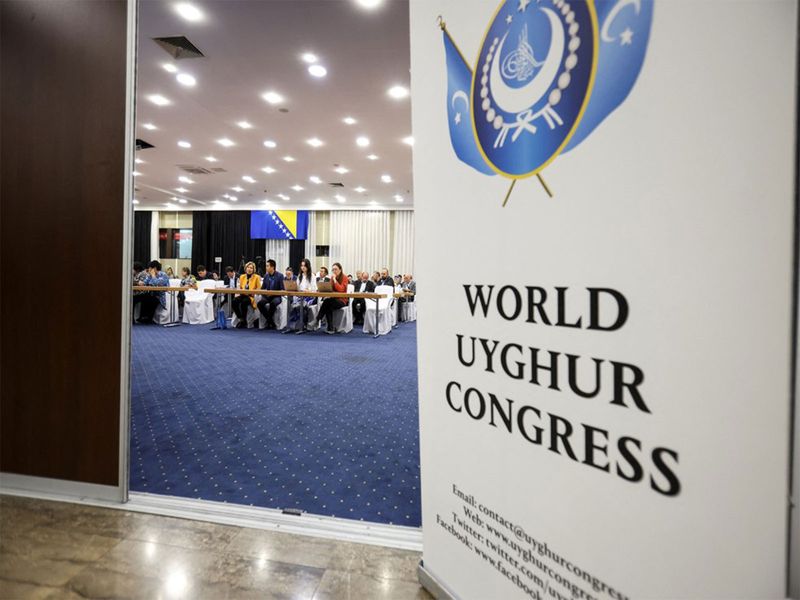

Munich [Germany], June 1 (ANI): The latest weekly brief from the World Uyghur Congress highlighted several key developments concerning the Uyghur community and ongoing concerns about China’s policies in East Turkistan. First, the brief reported strong criticism from 20 Uyghur organisations and Turkish support groups over the visit of Chinese Consul General Wei Xiaodong to the Kucukcekmece Municipality in Istanbul.The groups accused the Chinese diplomat of promoting Beijing’s narrative about East Turkistan and described the visit as an example of transnational repression and political pressure targeting the Uyghur diaspora in Turkiye. They called on Turkish authorities to closely monitor Chinese diplomatic activities.The brief also warned of a surge in phishing attempts, impersonation schemes, and disinformation campaigns targeting Uyghur organisations and activists ahead of the International Uyghur Forum 2026. The World Uyghur Congress and the Uyghur Center for Democracy and Human Rights stated that these efforts appear aimed at intimidating Uyghur voices and disrupting international advocacy efforts, but stressed that such tactics would not deter their work.In connection with Eid al-Adha, the WUC extended greetings to Muslims worldwide while drawing attention to the situation of Uyghurs who remain separated from their families and homeland. The organisation emphasised that many Uyghurs in East Turkistan are unable to freely observe religious and cultural traditions and called on governments and civil society groups to show solidarity with Uyghur Muslims.The weekly update also highlighted a meeting held on May 28 between Uyghur advocacy leaders and officials at the United States Department of State. Participants discussed allegations of ongoing genocide against Uyghurs and concerns over China’s expanding campaign of transnational repression affecting Uyghur communities around the world.Finally, the brief drew attention to a recent investigation published by the Financial Times, which examined the current situation in East Turkistan. According to the report, China’s policies have evolved beyond mass internment camps into a broader system involving prisons, surveillance, forced labour, cultural assimilation, family separation, and restrictions on Uyghur language and identity. Researchers cited in the investigation argue that these measures continue to threaten the survival of Uyghur culture, while China maintains that its policies are necessary for security and stability.Overall, the weekly brief underscored concerns about transnational repression, cybersecurity threats, restrictions on Uyghur religious and cultural freedoms, international advocacy efforts, and continuing allegations of human rights abuses in East Turkistan. (ANI)(This content is sourced from a syndicated feed and is published as received. The Tribune assumes no responsibility or liability for its accuracy, completeness, or content.)