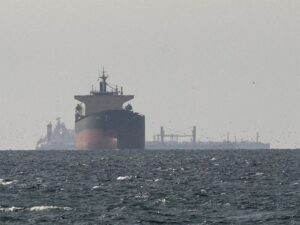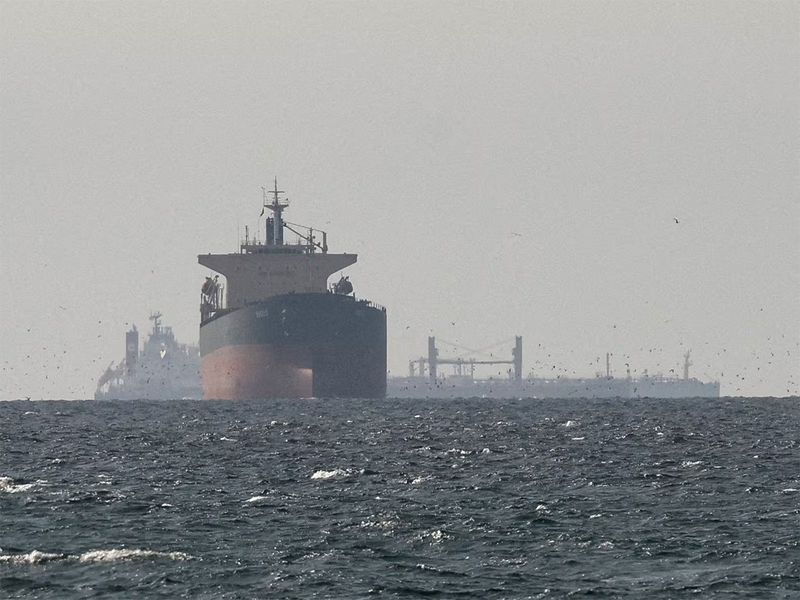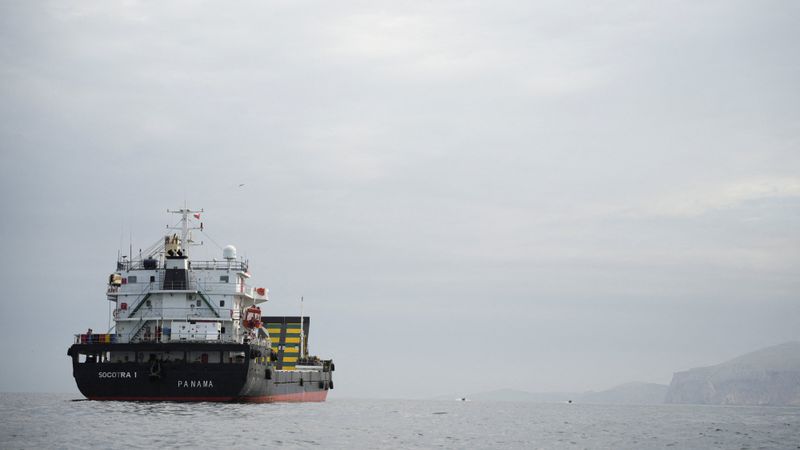

The Centre on Monday said at least 15 Indian-flagged vessels were stranded in the Strait of Hormuz and efforts were underway to bring them back.Addressing an inter-ministerial briefing on recent developments in West Asia here, Mukesh Mangal, Additional Secretary in the Ministry of Ports, Shipping and Waterways, said, “We are coordinating with the Ministry of External Affairs and putting in our efforts to bring back our vessels. Arrangements are being made so that as soon as conditions are suitable, the ships can sail back to Indian ports.”He said the Indian-flagged LPG vessel “Jag Vikram” crossed the Strait of Hormuz on April 11. It was carrying around 20,400 metric tonnes of LPG and had 24 seafarers on board. It was expected to reach Kandla on April 14.The official said the ministry was actively monitoring the evolving situation in the Persian Gulf, adding that “at present, all Indian seafarers in the region are safe. No incident involving Indian-flagged vessels has been reported in the past 24 hours.” He said the Directorate General of Shipping had facilitated the safe repatriation of over 2,177 Indian seafarers so far, including 93 in the past 24 hours from various locations across the Gulf region.Meanwhile, India has also taken a significant step towards strengthening its electric mobility ecosystem. In a move aimed at accelerating the adoption of electric vehicles (EVs) and supporting domestic manufacturing, the government has announced extensions and relaxations under key policy frameworks, responding to both market needs and global supply chain disruptions.Hanif Qureshi, Additional Secretary in the Ministry of Heavy Industries, highlighted that subsidies under the PM e-DRIVE scheme for electric three-wheeler rickshaws had been extended by two years, shifting the deadline from March 2026 to March 2028.Recognising the widespread use of electric two-wheelers across the country, the government has also extended subsidy support for this segment. The revised deadline now stands at July 31, 2026, offering additional time for consumers and manufacturers to benefit from the incentives and further drive adoption in one of the fastest-growing EV segments.Qureshi also emphasised the role of the Phased Manufacturing Programme (PMP) in determining subsidy structures across different EV categories. The programme is designed to promote indigenous production and reduce dependency on imports, aligning with the broader vision of building a self-reliant automotive ecosystem in India.In light of ongoing supply chain challenges stemming from the West Asia crisis, the government has introduced a six-month relaxation in PMP guidelines specifically for electric trucks and buses.