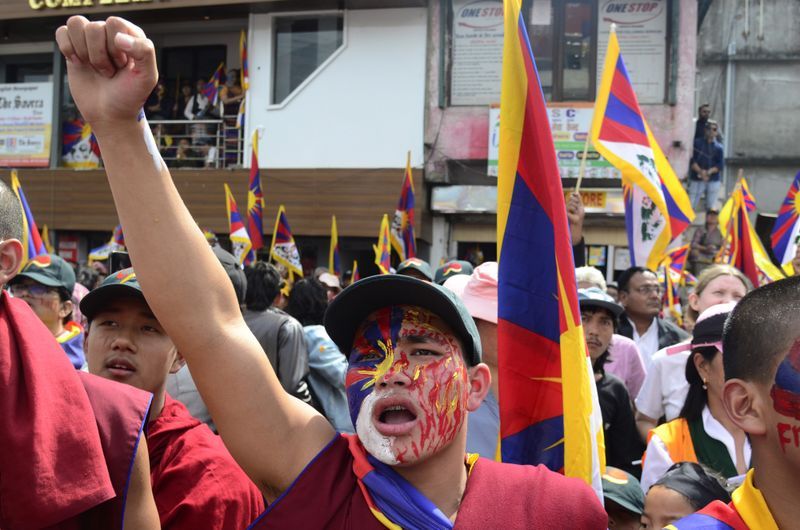

A coalition of 151 Tibetan organisations and Tibet support groups from across the world has appealed to the foreign ministers of 14 democratic nations and the European Union to oppose China’s controversial Law on Promoting Ethnic Unity and Progress, which comes into force on July 1.In an open letter addressed to the foreign ministers of Argentina, Australia, Brazil, Canada, France, Germany, India, Italy, Japan, Mexico, Sweden, the United Kingdom, the United States and the European Union, the coalition described the legislation as a “direct assault on the fundamental rights, identity and future of the Tibetan people.”The appeal has also been sent to External Affairs Minister S Jaishankar along with his counterparts, including Australian Foreign Minister Penny Wong, US Secretary of State Marco Rubio, UK Foreign Secretary Yvette Cooper, German Foreign Minister Dr Johann Wadephul and EU High Representative for Foreign Affairs Kaja Kallas.“The new law provides Beijing with a legal framework to intensify its campaign of forced assimilation by restricting the use of the Tibetan language, curbing religious freedom, suppressing cultural practices and penalising peaceful expressions of Tibetan identity,” it states.The groups alleged that the legislation prioritises Mandarin Chinese in education and public life, mandates state-led social integration and expands penalties for actions deemed to threaten “ethnic unity.” They also expressed concern over provisions requiring parents to educate children to “love the Communist Party of China,” arguing that the law would enable authorities to regulate what Tibetan families teach about their history, culture, religion and identity.The coalition also highlighted China’s residential boarding school system, claiming that at least one million Tibetan children have been separated from their families and communities. It alleged that children in these institutions are educated primarily in Mandarin, have limited access to the Tibetan language, are discouraged from practising their religion and are subjected to political indoctrination, including military-style drills and patriotic programmes aimed at fostering loyalty to the Chinese Communist Party and President Xi Jinping.The letter also cited recent remarks by UN High Commissioner for Human Rights Volker Türk, who expressed concern that the law could further restrict freedoms relating to language, education, religion, culture, expression and peaceful assembly. Türk reportedly called for the legislation to be repealed and for assimilation policies affecting Tibetans and other ethnic minorities to end.Describing the issue as one of international responsibility, the coalition urged democratic governments to use their diplomatic influence to press China to repeal the law and uphold the rights of the Tibetan people.“Silence from the international community would amount to acquiescence in the erosion of Tibet’s distinct cultural, linguistic and religious identity, and called for coordinated diplomatic action before the law comes into effect on July 1,” the coalition warns.