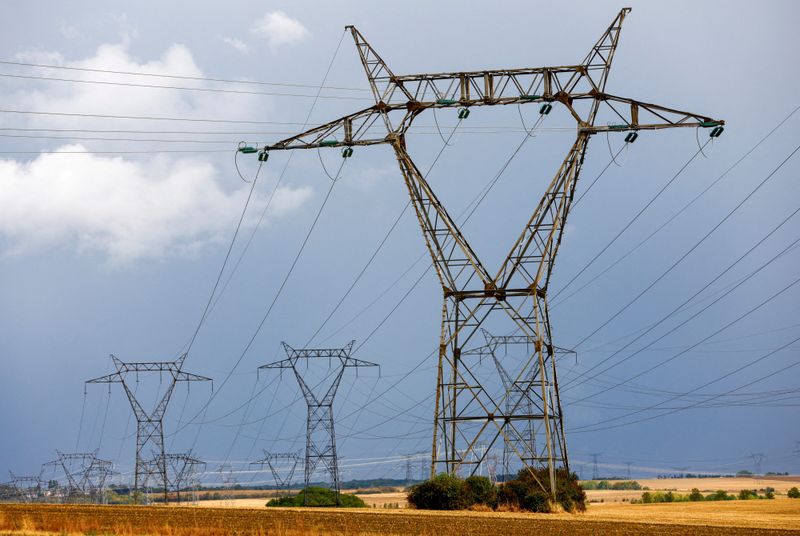

Following some proposed norms, the electricity bill of consumers might go up soon even if they are consuming less power, as the ministry concerned has asked for the rationalisation of the “fixed cost component of tariff to be increased progressively” over the next five years.In a state like Punjab where the state government swallows the bitter subsidy bill and provides 300 units per household, the changes might add to the financial burden.The Central Electricity Authority (CEA) has sought a steep increase in fixed charges payable by consumers, as at present it only contributes 9 to 20 per cent of the total revenue, with power distribution companies struggling to recover costs amid rising rooftop solar adoption and migration of industries to captive power.In the case of Punjab where domestic consumers get monthly free power of 300 units, the increase in fixed charges will increase subsidy burden, either on government or consumers. “The calculations will be completed once the fixed cost component is worked out. But the increase will be around 10 per cent in the next five years, which will be in addition to the power tariff decided per annum by the regulator,” said a senior PSPCL official.As per a CEA letter, dated May 12, the fixed cost in case of Punjab State Power Corporation Limited (PSPCL) is Rs 11,098 crore, comprising Rs 7,535 crore of the fixed component of power cost and transmission and State Load Dispatch Centre (SLDC) charges of Rs 4003 crores. This is 53% of the net revenue cost of Rs 43,701 crore. However, the fixed charges contribute only 9% of total revenue receipt.The high-paying industrial and residential consumers shift to captive power or open access; they reduce energy consumption, but remain connected with the grid. The fixed charges are added to the state discoms.However to ensure that the consumers are not burdened instantly, CEA has initially proposed to increase fixed charges in calibrated and phased approach, 25% for domestic and agriculture sector and 100% for industrial consumers in the next five years. “The discoms should introduce three-tiered standby charges for open access and captive consumers to recover the cost of holding infrastructure for their backup protection,” mentions CEA.As per information gathered from senior power officials, the fixed charges proposal mooted by the All India Discoms Association, with all private distributing companies and some state utilities as members, sought the rationalisation of fixed charges from the Ministry of Power. The ministry forwarded a letter to CEA for further action. CEA has asked forum of regulators to implement it in a phased manner.“The proposal means consumers should pay a major portion of their bill as a compulsory monthly charge, regardless of the actual power consumption”, said the All Indian Power Engineers Federation, spokesperson, VK Gupta.Discom fixed costs such as thermal generation payments, transmission costs, employees cost and infrastructure maintenance today accounts for nearly 38 to 56 % of the aggregate revenue requirement (ARR), while fixed charges contribute only around 9 to 20% of the retail tariff revenue. The power distribution companies continue carrying substantial fixed obligations, though recovery still depends heavily on electricity sales.The report also suggested separate tariff structures for rooftop consumers and net metering consumers. “This is meant to ensure everyone who relies on the grid, even as backup, helps support power companies fairly,” said a PSPCL official.