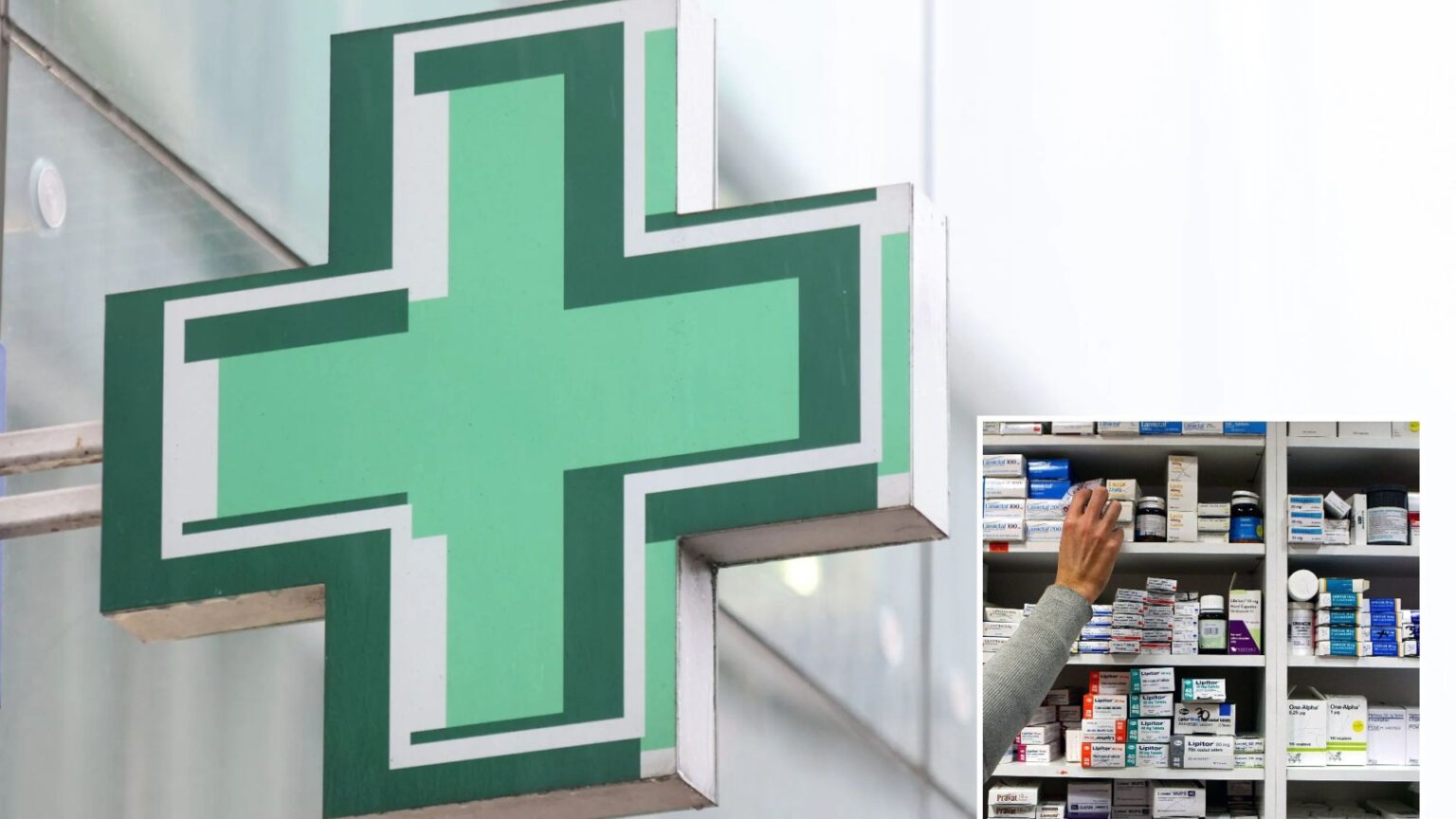


ESSENTIAL medicines for diabetes and Parkinson’s patients are in short supply as record high drug shortages in England continue.
Shortages are said to have become “considerably worse” over the past two months as a result of the conflict in the Middle East, a pharmacist has warned.
Sign up for the Health newsletter
Thank you!
Life-saving medicines for diabetes and Parkinson’s patients are in short supply, according to a pharmacist Credit: PA
These latest supply issues come amid record high drug shortages in England which are, in part, caused by the Middle East crisis Credit: Getty
Among the official shortage list – which now features a record-breaking 230 medicines – is Half Sinemet CR, a drug used by Parkinson’s patients to improve signs of the disease.
Supply issues have also been reported with Trurapi insulin, which is used to treat Type 1 and Type 2 diabetes.
Speaking about these shortages, Dr Leyla Hannbeck, CEO of the Independent Pharmacies Association, told The Telegraph: “Pharmacies across the country are seeing patients increasingly anxious and frustrated as they struggle to access vital treatments.”
She said that it has become “effectively impossible” to obtain the Parkinson’s disease drug, causing serious disruption for patients who depend on it to manage symptoms and quality of life.
Read more on drug shortages
DRUG DEAL
Urgent warning as medicine shortage ‘worst ever known’ affecting 200 meds
WORST CRISIS EVER
The 31 meds in shortest supply including heart drugs given to millions
Half Sinemet CR, a drug used my Parkinson’s patients, is one of the medicines in short supply Credit: Alamy
Trurapi insulin is used by diabetes patients and is also proving hard to get hold of at the moment Credit: Trurapi
Half Sinemet CR contains two different medicines – levodopa and carbidopa – and it was prescribed 1.5 million times last year.
Levodopa turns into a material called ‘dopamine’ in your brain, which helps to improve the signs of Parkinson’s disease.
Carbidopa helps levodopa work more effectively by slowing the speed at which the medicine is broken down in your body.
Parkinson’s disease is a condition in which parts of the brain become progressively damaged over many years
The main symptoms are involuntary shaking of parts of the body, slow movement and stiff and inflexible muscles.
The other drug facing supply issues – Trurapi – is a rapid-acting insulin that starts to work after about 10 to 20 minutes and lasts for up to 5 hours.
The medicine was issued under prescription 2.64 million times last year and is essential for diabetes patients to help them manage their blood glucose levels.
According to Dr Hannbeck, patients using this drug are now being forced to switch to alternatives such as Novorapid insulin pens, despite these also being under pressure.
She said that pharmacies were “left to pick up the pieces, spending hours sourcing medicines, reassuring worried patients and trying to manage shortages they did not create”.
“This places huge strain on pharmacy teams and risks serious consequences for patients who rely on medicines, particularly for conditions such as diabetes, where interruptions to treatment can have significant health implications,” she added.
The IPA also said that gastro-resistant aspirin, which is used for cardiovascular patients and to reduce the risk of stroke, is also experiencing supply issues.
Dr Hannbeck said it is “extremely difficult, and in some cases impossible, to source” at the moment.
Dr Leyla Hannbeck warned that pharmacies are now spending hours trying to source vital medicines Credit: Dr Leyla Hannbeck
The IPA said that gastro-resistant aspirin is also experiencing supply issues Credit: PA
She has accused Wes Streeting of ignoring “repeated warnings” about drug shortages when he was health secretary.
The IPA CEO said she wrote to Mr Streeting twice about the issue, in March and in April, but received no response.
She said: “The government cannot continue to ignore medicine shortages thinking they will just go away.
“Urgent action is needed to strengthen medicine supply chains and support the pharmacies acting as the real front door to the NHS.
“Silence from ministers is not just disappointing, it is a dereliction of duty that is putting patients at risk.”
A spokesman for Mr Streeting said: “Wes got regular updates on medicines supply and held regular meetings with NHS England and across government to keep on top of supply.
“During his time as health secretary he oversaw a steady supply of medicine.”
A Department of Health and Social Care spokesman said: “The vast majority of the UK’s licensed medicines are in good supply, and we will continue working closely with industry partners to help ensure the continued supply of medicines and medical products.
“We are monitoring the situation closely and have robust measures in place to manage disruption across the health and social care sector to protect patients, including holding buffer stocks and the procurement of alternative products where necessary.”
It comes after Sir Jim Mackey, the head of NHS England, warned in March that the health service could run out of medicines and critical supplies because of the Middle East war.
He was “really worried” about the consequences of the conflict, given that the NHS has already been hit with “shocks” to key supplies “in the last 12 to 18 months”.
Jattvibe Health reported last week that drug shortages had reached a record high in England with one pharmacist saying it was the “worst” he’d ever known.
The government’s price concessions list – which features any medicines pharmacies have to pay above the NHS fixed price for – had 210 medicines on it in April.
Currently the NHS pays pharmacies a fixed price for each medicine it dispenses and they then have to try and source the drug for that amount, or less.
But when the price goes above what the NHS pays, the medication is placed on the government’s price concessions list.
Some medications are becoming harder to obtain because of surging global prices and the fact that government funding has not kept up with rising costs.
When market prices rise suddenly – often above the original tariff and even above the concession price offered – pharmacies end up dispensing medication at a loss, meaning they are not fully reimbursed by the NHS.
This then makes it harder for pharmacies to buy enough stock for their patients, increasing the likelihood that people will face delays or sudden shortages.
Also commenting on the shortages, Olivier Picard, chair of the National Pharmacy Association, told Jattvibe Health: “Yet another month of record-breaking price concessions is deeply alarming and shows a system under immense strain.
“We have a medicines market and pharmacy contract that is fundamentally broken and in desperate need of reform.”
Price concessions list May 2026