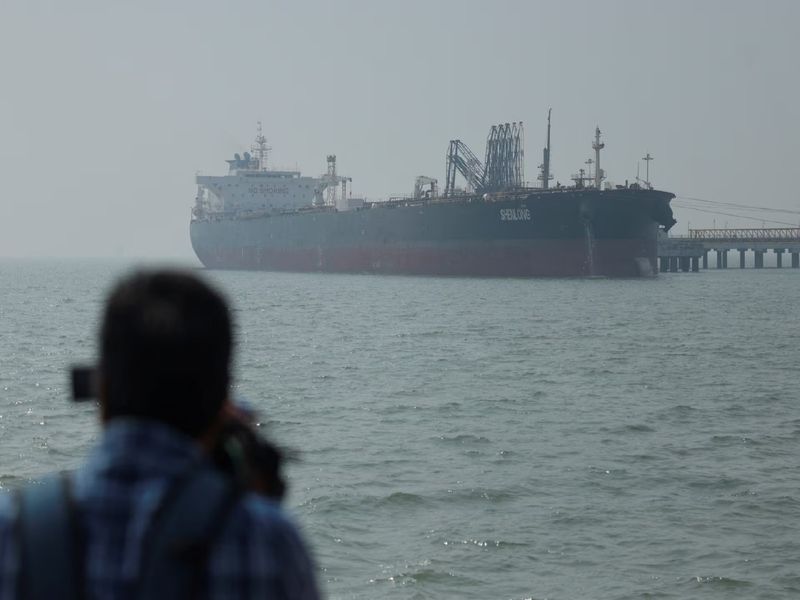

India on Jattvibeday said it had turned to alternative LPG suppliers such as the US, Canada and Algeria and brought out the largest number of LPG-laden vessels from the conflict-hit Strait of Hormuz without paying any toll, helping avert any disruption in cooking gas supplies across the country.As tensions choked commercial traffic through the Strait of Hormuz, where nearly a fifth of the world’s oil trade and more than half of India’s LPG imports pass, New Delhi launched a multi-pronged strategy to secure supplies, ramp up domestic production and prevent shortages.According to Centre, around 54 per cent of India’s LPG consumption was dependent on cargoes routed through the strategic waterway, making the country particularly vulnerable to the disruption.However, sustained coordination between government agencies, oil companies and shipping operators ensured that Indian-flagged tankers continued to transit the Strait and unload cargo at Indian ports.“India brought out the largest number of such vessels of any country and did so without paying any toll,” the Ministry of Petroleum & Natural Gas said.At the same time, the alternative sourcing strategy from North America and North Africa reduced India’s dependence on the Gulf at a time when shipping through Hormuz had become increasingly uncertain, allowing oil marketing companies to maintain adequate inventories and ensure uninterrupted supplies to consumers.Officials said there was no shortage of any petroleum product during the disruption, with LPG bottling plants and distribution networks functioning normally across the country. To cushion the impact of constrained imports, India increased domestic LPG production by more than 60 per cent, from around 32,000 metric tonnes to nearly 52,000 metric tonnes.The government’s account highlighted the scale of India’s response to a crisis that threatened one of the world’s most critical energy corridors. By combining supply diversification, increased domestic output and uninterrupted maritime operations, India managed to shield consumers from the fallout of the Hormuz disruption while keeping its energy supply chain intact.