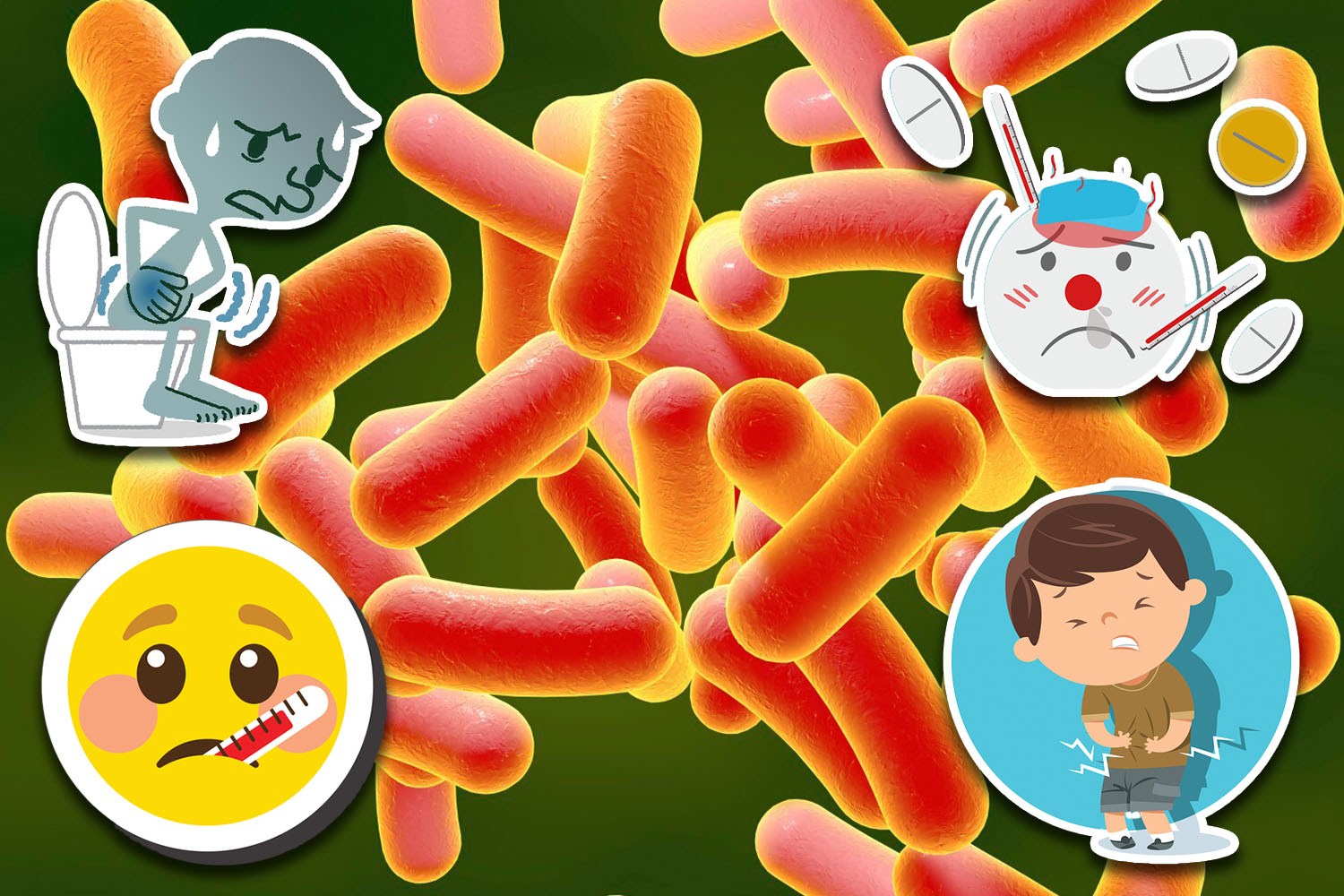


BRITS have been warned that a rapidly spreading sexually transmitted tummy bug is a “threat” to public health.
Shigella is a bacterial gut infection that can be spread through sexual contact and is found in faeces or contaminated food.
Sign up for the Health newsletter
Thank you!
Experts have warned that sexually transmitted shigella is rapidly spreading in the UK
Shigella can cause diarrhoea, stomach cramps and a fever Credit: Getty
The UK Health Security Agency (UKHSA) first warned about a spike in cases of sexually transmitted shigella in March.
But now, cases spread through sexual contact are spreading twice as fast as other strains of the infection, a study has suggested.
Experts have warned that the superbug is becoming increasingly resistant to antibiotics, with the study finding around 70 per cent of sexually transmitted shigella strains were resistant to at least one “clinically relevant” antibiotic.
They stressed that this should now be “treated as a distinct public health threat”.
RED ALERT
Warning over 6 European holiday spots with world’s most infectious disease cases
OUTBREAK FEAR
‘Concerning’ 53% rise in cases of ‘highly contagious’ drug-resistant Shigella
Shigella is the bacteria behind dysentery and can cause diarrhoea, stomach cramps, a fever and vomiting.
In some cases, patients will need to be hospitalised.
Antibiotic treatments are recommended among those with severe symptoms including prolonged diarrhoea, those requiring hospital admission or people with underlying immunodeficiency.
Sexually transmitted Shigella strains – such as shigella sonnei and shigella flexneri – predominantly affect gay, bisexual and other men who have sex with men.
Cases have soared by 25 per cent in England in just two years, with numbers rising from 2,052 in 2023 to 2,560 in 2025, the UKHSA said in March.
Now, a study led by the University of Cambridge alongside UKHSA has looked into the spread of this infection.
Scientists analysed 3,514 samples of shigella from people over the age of 16 in the UK between 2004 and 2020.
Around a third were collected from men who have sex with men, while 36 per cent were domestic cases not associated with sexual transmission.
The remaining samples were travel cases brought into the UK.
The study found that sexually transmitted cases of shigella spread more than twice as fast in terms of distance compared to other strains.
Over two and a half years, sexually transmitted shigella strains spread an average of 117km in distance, compared to 46km for non-sexually transmitted strains.
The study also found that around 70 per cent of sexually transmitted shigella strains were resistant to at least one clinically relevant antibiotic.
This is compared to 40 per cent of non-sexually transmitted cases and 49 per cent of cases contracted while travelling.
Researchers said the findings, which have been published in the Lancet Infectious Diseases journal, show the “distinct and intensifying sexual transmission of shigellosis, highlighting the urgent need to address sexually transmissible shigellosis as a distinct health threat”.
In serious cases, diarrhoea caused by shigella may contain blood or mucus Credit: Getty
What is shigella?
Shigella is the bacteria behind dysentery, and is most commonly found in faeces and contracted through contaminated food.
Sexually transmitted strains such as shigella sonnei and shigella flexneri mostly impact gay and bisexual men – causing diarrhoea, stomach cramps and fever.
In more serious cases, hospitalisation is sometimes required.
Shigella is often referred to as a “superbug” as it has become resistant to many antibiotics.
Infected people should stay hydrated, rest and not have sex until a week after their last symptoms.
They should also avoid all spas, swimming, hot tubs and sharing towels, and avoid preparing food for other people until a week after symptoms stop.
Symptoms include:
Watery diarrhoea – sometimes containing blood, mucus or pus in severe cases
Feeling sick or being sick
Abdominal pain
High temperature (fever) over 38°C (100.4°F)
Feeling down or depressed
Source: NHS Inform
Professor Kate Baker, senior author of the study from Cambridge’s Department of Genetics, said: “Many men who have sex with men are unaware of the serious and increasing risk posed by sexually transmitted shigella.
“Sexual infection is now a sustained part of shigella transmission in the UK.
“It is vital that this message reaches the communities most affected, so we can help to prevent the spread.”
She continued: “Some advice is obvious, but needs hammering home.
“If you start to feel unwell, or are recently recovering from a scary bout of diarrhoea, do not engage in sexual activity until two weeks after you’re fully recovered, mention your sexual history to your doctor if you seek medical care, and ask about having a full sexual health screen.”
Marc Tweed, from the Terrence Higgins Trust, said the “growing problem” of shigella among some sexual networks of gay and bisexual men is “a real cause for concern”.
He added: “Studies have linked transmission with dense sexual networks, multiple partners, sexualised drug use, PrEP use and concurrent sexually transmitted infections.
“But these are associations, not proof that any one behaviour alone is driving the increase.
“If you think you may have shigella, you should contact your local sexual health clinic to book an appointment.”
Back in March, Dr Katy Sinka, head of the STI section at UKHSA, said: “The rise in sexually transmitted Shigella cases is concerning, but the risk can be reduced through good hygiene during and after sex, and by using condoms — helping to protect both yourself and your partners.
“It is important that gay and bisexual men do not dismiss their symptoms and advice on self-care and preventing dehydration can be found on the NHS website by searching Dysentery.”
She advised men with Shigella to get tested for other STIs, including HIV, as they may have been exposed to other infections.