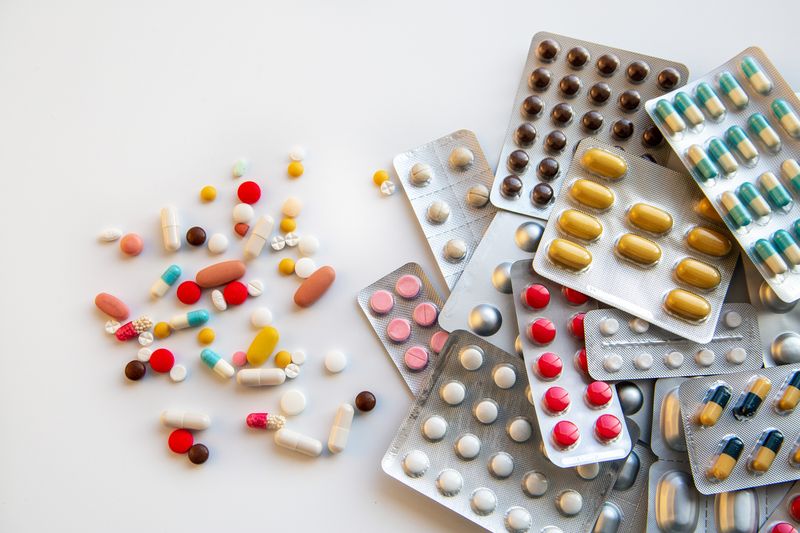

The US on Wednesday announced that it has imposed high taxes on imported generic medications, with President Donald Trump President claiming that the action was intended to onshore the manufacturing of these medicinal goods.India, the country that exports the most generic medications to the US, is probably going to be impacted by the action.Trump stated on his ‘Truth Social’ platform that the phased tariff plan will take effect on August 1 and that all generic medications imported into the US will continue to be subject to a 0 per cent levy for the first two years. According to him, the tariff will go to 100 per cent for the third year and then 200 per cent after that.“Effective August 1st, 2026, all generic drugs being brought into the United States will continue to have a tariff of zero per cent for two years, after which the tariff will be raised to 100 per cent for one year, and 200 per cent thereafter,” Trump wrote.“This is done in order to RESHORE generic pharmaceutical production into America, with a penalty to those companies that decide not to build plants and equipment within the stated period of time given to them,” he said.President Trump stated that the main goal of this policy is to safeguard the people of the US. “The Policy on Patented, Branded, or Innovative Drugs, which has been so successful, will remain as is,” he said.Impact on pharma sector in IndiaIndia is frequently referred to be the ‘pharmacy of the world’ since it provides generic medications to nations all over the world. Indian generic medications account for around 40 per cent of the total volume in the US.According to a Global Trade Research Initiative research, India shipped USD 9.7 billion worth of pharmaceuticals to the US in the fiscal year 2024-2025, making up 38 per cent of its total global pharmaceutical exports of USD 25.8 billion.However, it was immediately not clear how Indian pharmaceutical industries would be impacted by Trump’s new tariff threats. India would “receive negotiated outcomes with regard to generic pharmaceuticals and ingredients”, according to a trade agreement reached in February between the US and India.However, President Trump’s previous threats to tax drug suppliers had put low-cost supply from India at peril. Indian generic drugs are extensively prescribed for hypertension, depression, diabetes, cancer, infectious disorders, and mental health.In the case of birth control, about 65 per cent of all pill prescriptions issued in the US in 2024 were made by just two India-based pharmaceutical companies, Glenmark Pharmaceuticals Ltd and Lupin Ltd.Yet the implications would be different for every company. Notably, pharmaceutical stocks fell on the Indian stock market soon following President Trump’s announcement. Zydus, Sai Life Sciences, Aurobindo Pharma, Ajanta Pharma, Lupin, and Gland Pharma shares of Lifesciences were among the worst losers on the Nifty Pharma index, each declining by more than 2 per cent.