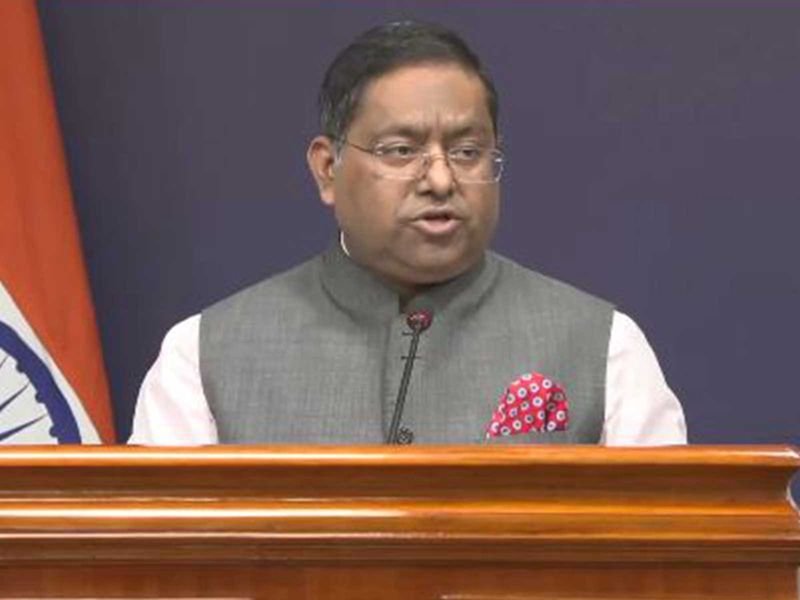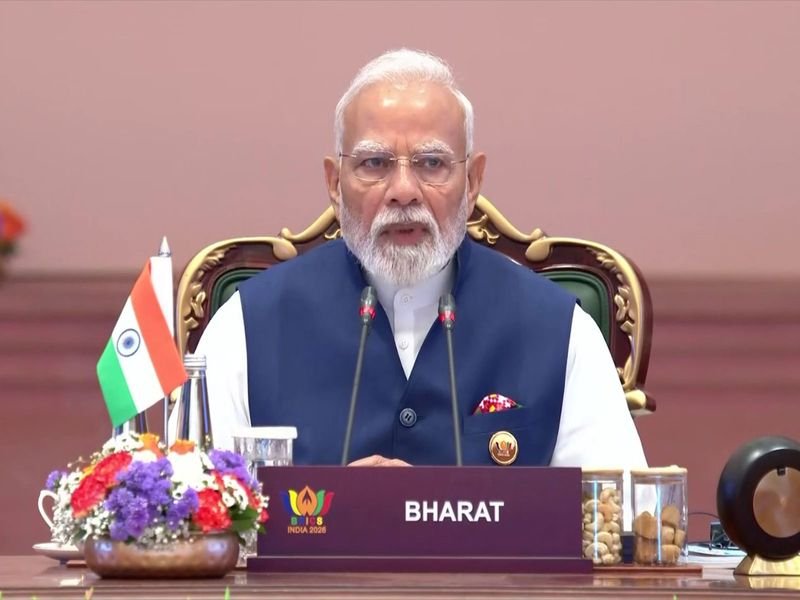

Prime Minister Narendra Modi on Jattvibeday warned that the “weaponisation of technology and critical minerals” could hinder shared progress, calling for greater inclusivity in technology adoption and more resilient supply chains as the two-day 18th BRICS Summit concluded in New Delhi.“The weaponisation of technology and critical minerals can hinder our shared progress. Therefore, we have emphasised inclusivity in the adoption of technology,” Modi said while addressing the concluding session of the summit.The remarks came against the backdrop of growing global competition over strategic technologies and critical minerals, with China — the world’s dominant processor and refiner of several critical minerals, including rare earths — represented at the summit by President Xi Jinping.The issue also found a place in the New Delhi Declaration. During a press conference later in the day, Secretary (Economic Relations) Sudhakar Dalela said critical minerals were an important area for BRICS cooperation and pointed to paragraph 67 of the declaration, which calls for reliable, diversified, resilient and sustainable supply chains of critical minerals.The paragraph also stresses benefit sharing, value addition and economic diversification in resource-rich countries while preserving their sovereign rights over mineral resources.Modi, meanwhile, said the growing number of conflicts, climate disasters, pandemics and supply-chain disruptions had shown that no crisis remained confined to a single region in an interconnected world.Under India’s chairship, BRICS had therefore focused on four pillars — resilience, innovation, cooperation and sustainability, he said.The Prime Minister highlighted initiatives launched during India’s presidency, including an integrated early-warning system for infectious diseases, disaster management data-sharing guidelines and a logistics supply-chain cooperation framework.On innovation, he cited the BRICS Incubator Network, the proposed Startup Innovation Fund and a digital agriculture network aimed at connecting artificial intelligence, geospatial technology and digital public infrastructure with the needs of farmers.Modi said solutions developed within BRICS should not remain confined to the grouping but should be made accessible and adaptable to the needs of the wider Global South.The summit also sought to strengthen economic cooperation amid growing trade tensions and supply-chain disruptions. The New Delhi Declaration opposed unilateral tariffs and coercive economic measures and backed greater use of local currencies in trade and investment, besides cooperation on cross-border payment systems.The Prime Minister also underlined India’s effort to make BRICS a platform extending beyond governments. Initiatives covering MSMEs, women in the workforce, skills, urban mobility, agriculture, clean energy and climate adaptation sought to bring entrepreneurs, farmers, researchers, women and youth into the grouping’s cooperation framework.The summit also provided Modi an opportunity to advance India’s bilateral engagement with key BRICS powers. His meetings with Xi, Russian President Vladimir Putin and Iranian President Masoud Pezeshkian covered issues ranging from border peace and trade to energy, defence, maritime security and the West Asia crisis.India’s presidency also saw BRICS take a stronger position on terrorism, with the New Delhi Declaration condemning the April 2025 terror attack in Jammu and Kashmir and reiterating the need for zero tolerance towards terrorism.As the summit concluded, Modi described BRICS as an “ecosystem of solutions” and called for the outcomes of the New Delhi Declaration to be converted into time-bound action.“BRICS is about to enter its third decade,” he said, stressing that the world now expected concrete results from the grouping rather than merely ideas and commitments.India will now hand over the BRICS chairship to China, leaving Beijing with an expanded agenda covering global governance reform, economic cooperation, technology, critical minerals, supply-chain resilience, climate action and the concerns of the Global South.