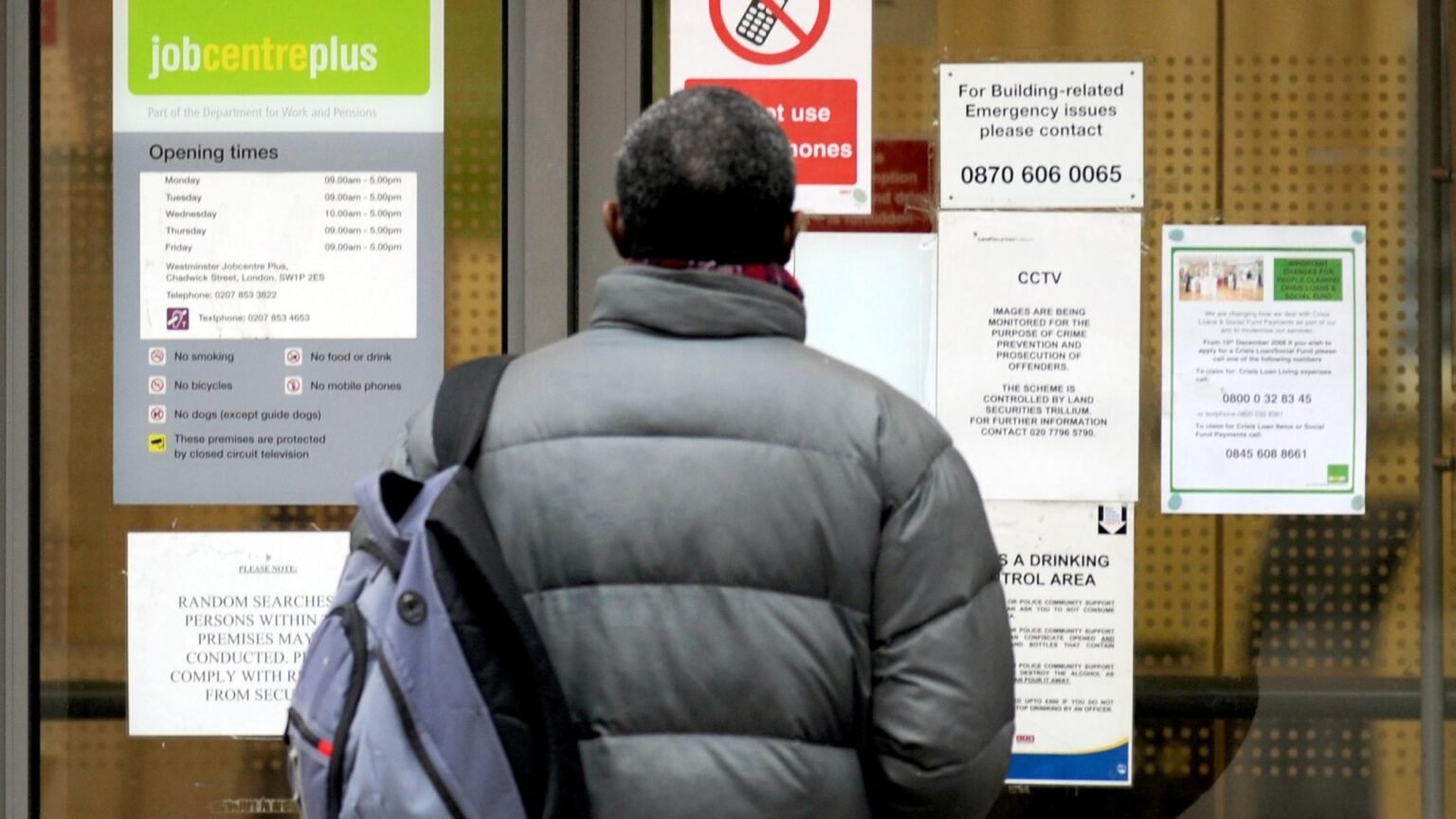


MORE than a third of employers have cut entry-level jobs for young workers in the past year.
Senior business leaders admitted they had been forced to slash junior roles for 16 to 24-year-olds.
More than a third of employers have cut entry-level jobs for young workers in the past year Credit: PA:Press Association
Almost half of medium-sized (48 per cent) and large employers (46 per cent) cut entry-level roles.
It comes after it was revealed more than one million young people aged 16 to 24 are classed as Neets — meaning they are not in employment, education or training.
Sign up for the Money newsletter
Thank you!
And shock figures found youngsters who become Neets at 16 risk years out of work.
Nearly three-quarters (73 per cent) of business leaders surveyed by Lancaster University said that youth unemployment had become a national crisis.
LOTTO LUCK
Two lucky Brits scoop £1m EACH – but hunt is still on for a third lottery winner
Bird in hand
New King Charles 10p hits high street – have you spotted extra rare version?
Ben Harrison, director of the Work Foundation at Lancaster that carried out the survey, said: “Young people are entering one of the toughest labour markets in years. Our research suggests the challenge is not simply how to provide young people with more employment support.
“Opportunities are declining, and for those living in weaker local labour markets, the options they face are constrained.”
Previous research by the Work Foundation found that average weekly pay starter vacancies, accessible for someone just starting work, had fallen by 49 per cent over the past nine years.
Late last year there was one starter vacancy for every three Neet youngsters nationally.
£60 DEBT BILL
HOUSEHOLDS are being saddled with an extra £60 on their annual energy bills due to unrecovered customer debt, EDF has said.
The energy supplier said customers currently owe a total of £4.79billion.
Trade association Energy UK forecasts that this could balloon to a whopping £7billion by the end of the year.
Meanwhile, EDF said it expects bills to remain “stubbornly high” until 2030.
GOOD AS GOLD
GOLD prices hit their highest level in more than three months yesterday amid mounting political uncertainty.
It hit £3,410 an ounce in early Asian trading hours, then fell slightly. Gold has risen by nearly 15 per cent this month and could register its best monthly performance in 30 years.
Investors view gold as a safe haven in times of uncertainty, with anxiety over the Iran War and US inflation pushing up prices.
LEGO BUILDS TO A HIGH
LEGO has hit record revenue levels thanks to “consumer excitement” around the World Cup, Formula 1 and KPop Demon Hunters.
The toymaker saw its sales increase by more than a fifth in the first half of 2026.
The Danish group reported a 21 per cent rise in revenues to 41.9billion Danish kroner (£4.8billion) from January to June.
Lego launched more than 330 new products in that time, including a replica of the World Cup trophy and Smart Bricks, which bring sets to life with sound, light and reaction to movement.