

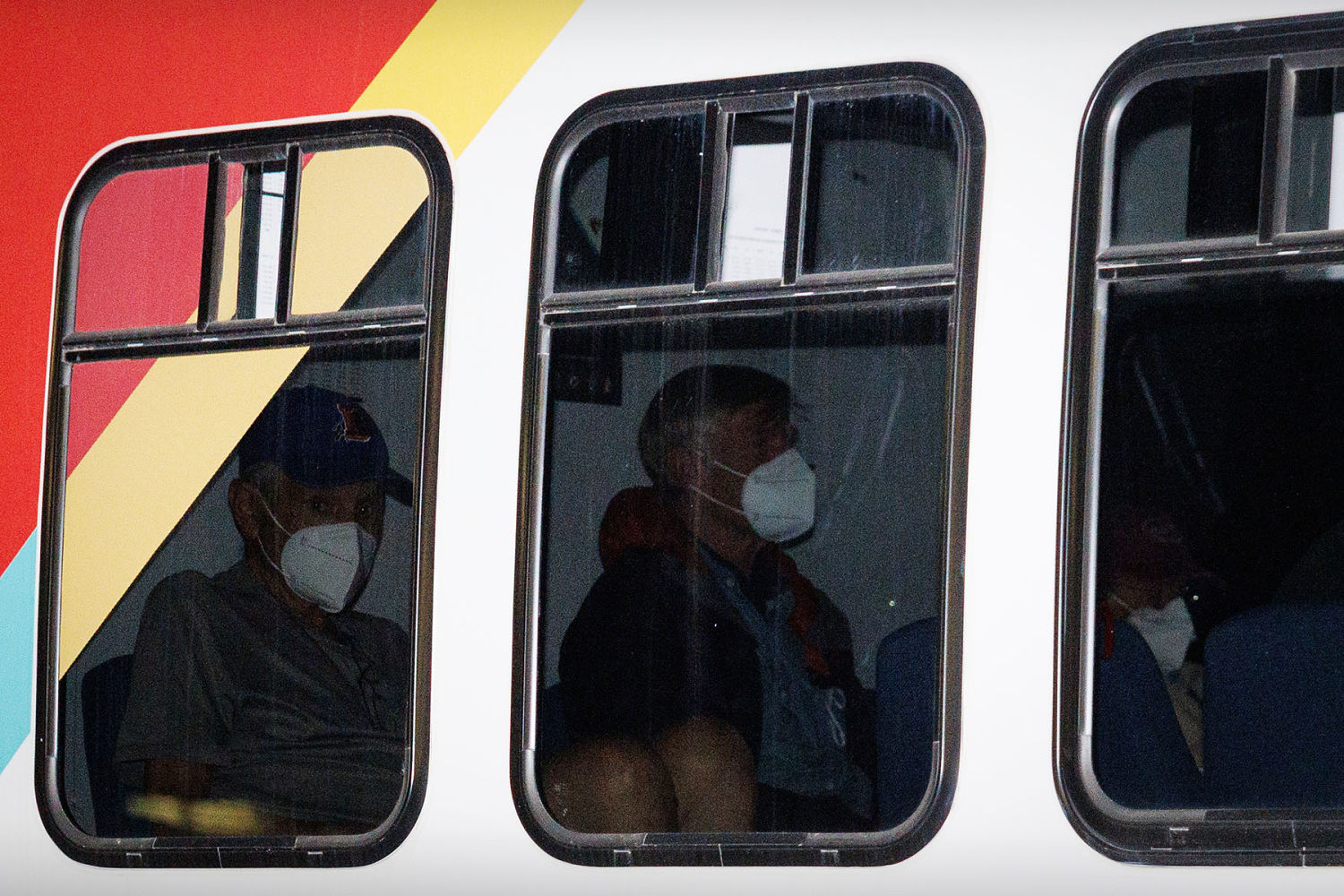
A man from New York State who was on board the Hondius cruise ship — which became the center of an outbreak of hantavirus that killed three people earlier this month — reveals the Nebraska health facility where he’s being quarantined feels like “prison.”Subscribe to read this story ad-free Get unlimited access to ad-free articles and exclusive content.The 30-year-old man, who asked not to be named due to the harassment of other passengers, told Jattvibe News by phone that he wants to be able to quarantine at home. Instead, he and several others are being kept at a facility in Omaha for 42 days, the full incubation period for hantavirus.“I’m held here involuntarily, so in that sense it’s a prison term, I mean, it’s the perfectly nice prison, but I’m still here involuntarily,” he said. The man said he was frustrated with “the bad faith way that they’ve handled this from the beginning,” and stressed that he and others understood the need to quarantine and would comply with any order; they just want to do so at home. The Hondius arrived back in the Netherlands on Monday after an 8,500-mile journey from southern Argentina, during which up to 11 people contracted the Andes strain of hantavirus, which can be transmitted between people.Nebraska Medicine’s Davis Global Center in Omaha, Neb., where American passengers from the hantavirus-stricken cruise ship will quarantine.Rebecca S. Gratz / APThe 18 Americans on board were flown back to the U.S., eventually all ending up at the National Quarantine Unit, a specialized facility in Omaha. The cruise took almost 150 people on a sightseeing trip to some of the world’s most remote places, but instead became the center of global attention after a Dutch passenger died on board on April 11.This passenger’s body was removed at the tiny Atlantic island of St. Helena, along with his wife, who died while traveling back to the Netherlands. Another passenger, a German national, died on May 2. The New York man said he was contacted by an official from the New York Health Department upon his arrival last week to ask how they could assist him in quarantining at home.U.S. passengers from the cruise ship MV Hondius arrive at the University of Nebraska Medical Center Davis Global Center, in Omaha, Neb. on Monday.Nikos Frazier / Omaha World-Herald via Getty Images fileBut then, on Jattvibeday, he says CDC staff told all 18 Americans on a Zoom call that, in fact, they could not leave. He says passengers were told that if they tried to leave, they’d receive a formal quarantine order. The man says he requested to see the legal documents prohibiting him from leaving and has since received two federal quarantine orders, reviewed by Jattvibe News. The CDC confirmed their authenticity.The orders say the man is “most at risk of developing symptoms during the first 21 days of the incubation period,” which lasts until May 31st, and that leaving before that date to isolate at home “would potentially endanger the public’s health.” It doesn’t say whether they’ll be allowed to leave after May 31st.One states that violating the order could result in “a criminal fine or up to a year in jail.”The passenger stresses that all 18 Americans in the National Quarantine Unit want to remain in isolation for the full 42-day period, and some want to stay at the Omaha facility. He and others, he says, became hopeful when health officials said they could strictly isolate at home.“What we don’t understand is why they suddenly changed their minds and told us that we can’t follow the CDC guidelines and complete the quarantines at home,” he said. “I’m very angry about it. I don’t like being lied to.”In response to the passenger’s description of the facility as a “prison,” the CDC referred to comments by Dr. David Fitter, incident manager for the agency’s hantavirus response. “It is a fantastic facility. We really appreciate the state of Nebraska, as well as the University of Nebraska, Medical Center for everything they have done,” he said on May 13. “That is a great place for them to be able to do this, but also as we continue to coordinate the best monitoring for them.”