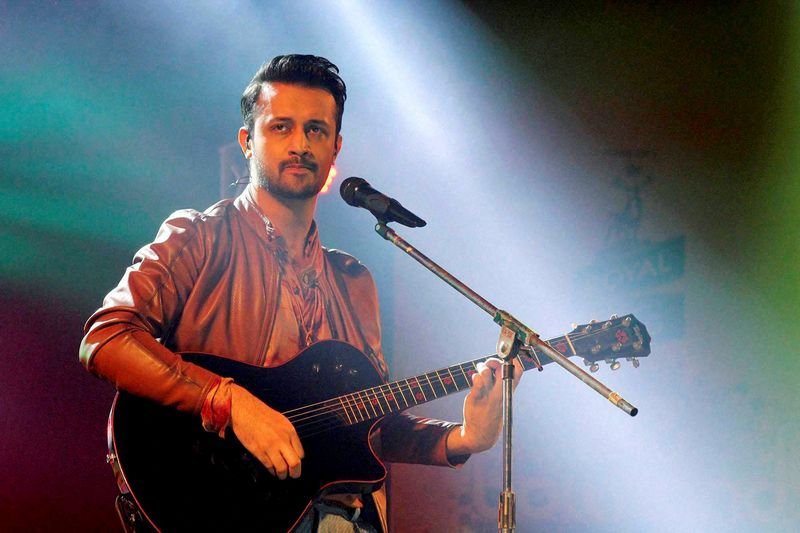

Ten years is a long time to stay silent. Atif Aslam has not recorded a single song for the Indian music industry since 2016, when rising tensions between India and Pakistan following the Uri terror attack led to a sweeping ban on Pakistani artistes. He has finally spoken about what that decade felt like and his answer is not what most people expected.Speaking on the One on One with Kris Fade podcast, Atif said his Indian fans never really left. “My fans are listening over VPN and they burn CDs and give them to people. Not that I appreciate piracy, but music will reach wherever it has to reach,” he said. He then delivered the line that has since travelled far beyond the podcast. “I miss you guys. I don’t miss working over there, but I miss you guys.”What makes his reflection more interesting is the gratitude he feels toward the ban itself. The voice behind Woh Lamhe, Pehli Nazar Mein, Tu Jaane Na, Jeena Jeena and Dil Diyan Gallan believes that without the ban, he would never have built an independent musical identity outside Bollywood playback. “If this ban never happened, I think I would have been unable to make my own music. I thank those who have banned me because I would not have been able to explore myself,” he said.The timing of his comments is significant. On July 31, Atif released Subah Aye Na, his fourth studio album, one fans had been waiting nearly 18 years for since Meri Kahani in 2008. He is now planning to release music almost every year and is working on Borderless World, a collaboration project bringing together artistes, composers and songwriters from across generations and backgrounds.