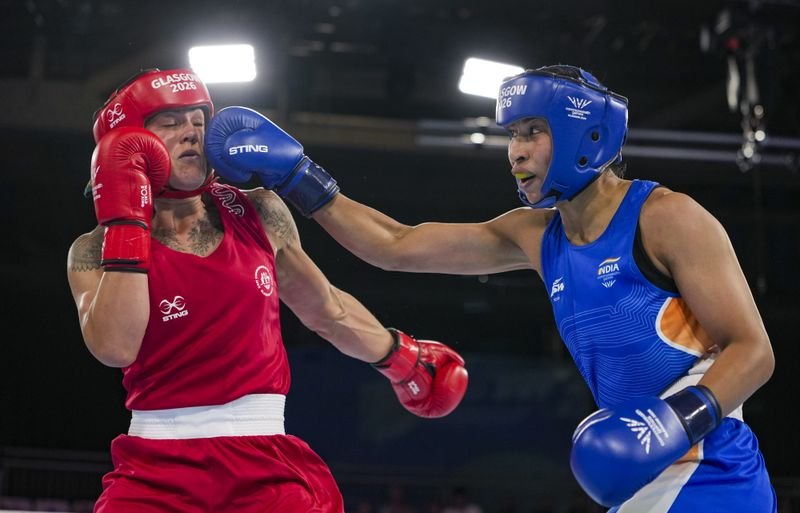

India overcame the absence of several traditional medal-winning sports to surpass expectations at the 2026 Commonwealth Games, signing off fourth with 39 medals on the back of a record-breaking boxing campaign, a historic showing in judo, and another strong performance by its para athletes.With the Games reduced to just 10 sports, leaving out wrestling, shooting, badminton and hockey, India’s chances of a top-five finish looked uncertain before the Games began.However, the 122-member contingent returned with 13 gold, 17 silver and nine bronze medals, underlining the country’s growing depth beyond its traditional strengths.Boxing led the wayThe Indian pugilists produced their best-ever Commonwealth Games campaign, collecting a record seven gold medals and 10 podium finishes overall. While the women lived up to expectations, the men also delivered consistently to make it India’s most successful sport in Glasgow.The performance, however, must be viewed in context. The absence of several European and Central Asian nations meant the competition was not as deep as at the Olympics or World Championships. Even so, India made full use of the opportunity.Judo emerged as a major positiveLong considered a fringe medal sport, it produced India’s best-ever Commonwealth Games performance. Asmita Dey’s gold, won months after losing her father, and Harsh Singh’s title, reflected the steady progress the sport has made over the last few years.Para sport continued upward trajectoryFrom powerlifting to athletics, Indian para athletes once again proved that their success at recent Paralympics was no coincidence. The medals across disciplines reflected the growing strength of the country’s para sports programme.Athletics presented a mixed pictureOlympic champion Neeraj Chopra, returning from injury, settled for silver and a few other medal hopefuls failed to meet expectations. At the same time, the sport produced some of India’s most memorable performances.Tejaswin Shankar fought back from a knee injury that ended his high jump campaign to win a decathlon medal, Gulveer Singh emerged as India’s only double medallist with his distance-running exploits, while Murali Sreeshankar marked his return from a lengthy injury lay-off with another Commonwealth silver.Weightlifting had a quieter GamesAfter returning with 10 medals, including three golds, in Birmingham four years ago, the lifters managed eight podium finishes but only one gold, won by Mirabai Chanu. Competing with a reduced squad after quota cuts linked to previous anti-doping sanctions, the team still delivered a respectable haul but fell short of its own high standards.There were disappointments elsewhere. Lawn bowls could not build on the historic gold and silver won in Birmingham, while cycling and swimming continued to search for the breakthrough performances that have remained elusive.Athletics, too, will believe it missed opportunities to add to the medal tally. But India’s overall performance suggested its medal prospects are no longer tied to just a few established disciplines.The absence of wrestling and other sports could have significantly reduced the medal haul. Instead, boxing delivered in unprecedented fashion, judo emerged as a genuine medal-winning sport and para athletes continued to strengthen India’s position.Equally significant was the contribution from emerging athletes. With Chopra below his best and weightlifting contributing fewer gold medals than usual, India’s overall tally remained healthy because newer faces stepped up across disciplines.That will be the biggest positive for India as it prepares to host the centenary Commonwealth Games in Ahmedabad in 2030. Glasgow showed that the country’s medal base is widening, giving it more avenues for success than ever before.