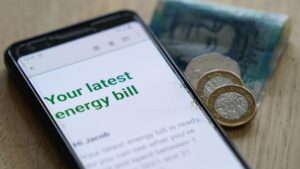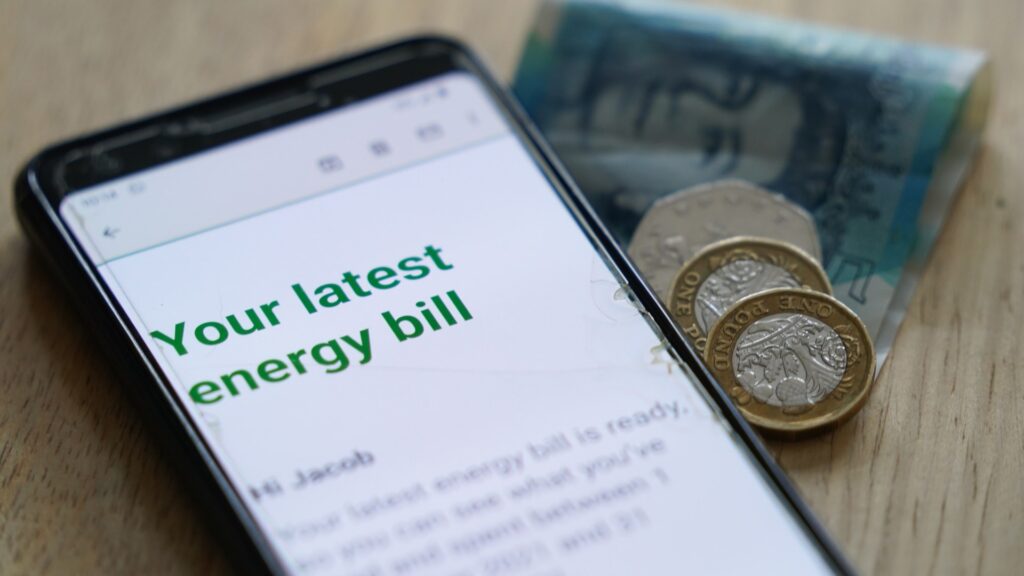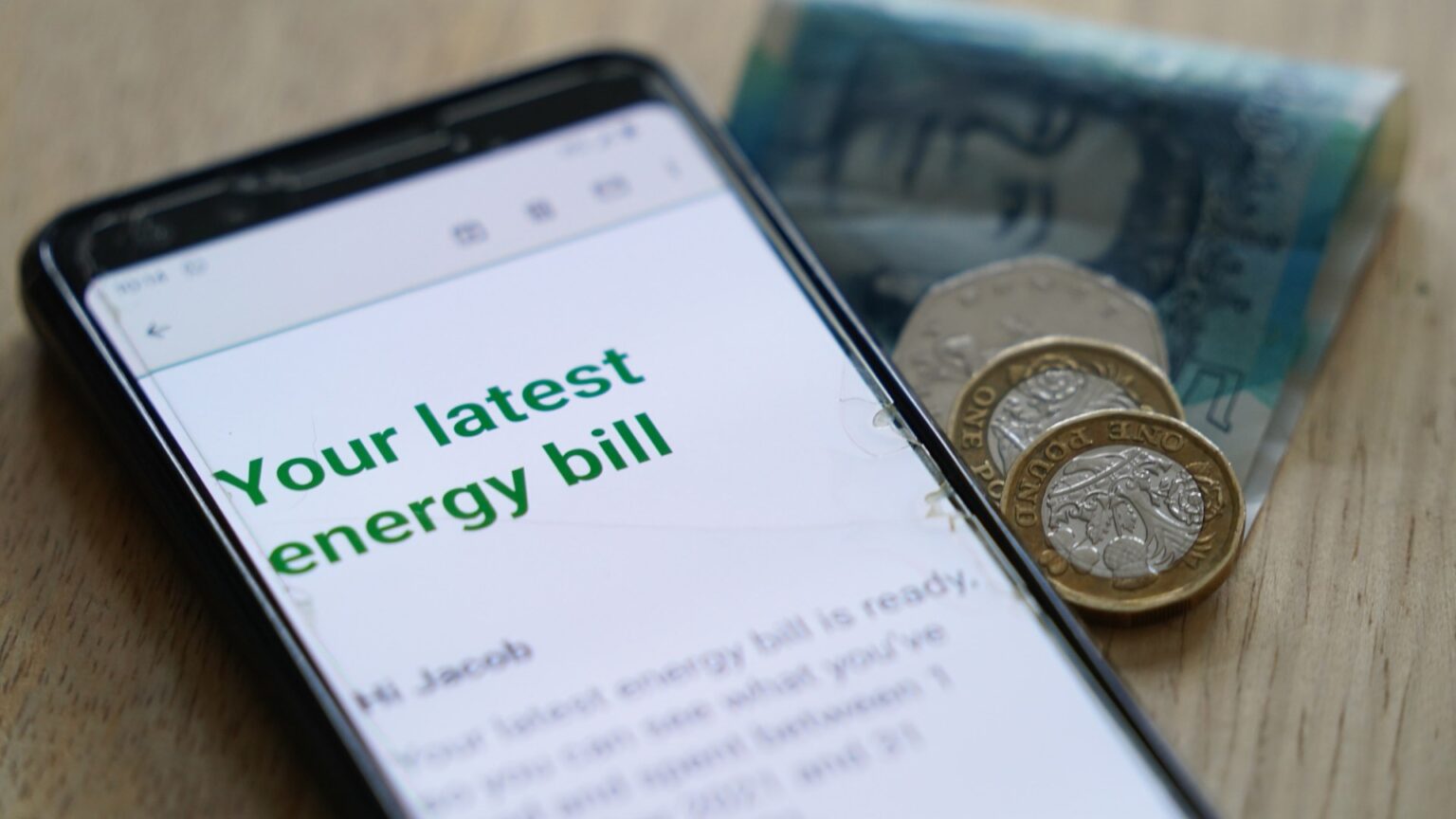


BRITS could fork out an extra £75 to cover unpaid energy debts, according to a new report.
Supplier EDF has warned that households struggling with debt have led to a rise in energy debt with the figure set to top £7billion next year.
Sign up for the Money newsletter
Thank you!
Energy regulator Ofgem allows firms to raise the cost of paying customers’ bills to cover those who have struggled to keep up with payments.
The major energy firm, which has over five million customers, said this currently adds around £60 to paying Brits’ bills.
But the figure could rise to between £70 to £75 next year.
In a report the group said: “Industry experts have estimated that debt reaching £7bn this year would require a further £10-£15 per year to be added to energy bills, driving up energy bills further and pushing more households into debt.”
ENERGY SHOCK
Brits set to find out next energy price rise – with warnings of 3-figure hike
SECRET COVER
How your HOME cover could protect holiday gadgets better than travel insurance
It comes as Ofgem will reveal its latest energy price cap tomorrow, Wednesday, May 26.
The price cap, which limits how much suppliers can charge for each unit of gas and electricity, could rise to the equivalent of £1,850 a year for an average household, experts have predicted.
Experts at Cornwall Insight said the main driver for the increase in its forecast is rising wholesale prices, which climbed sharply in February and March after US and Israeli missile strikes on Iran.
This is 13% higher than the current cap that works out at £1,641 a year from April to June.
EDF also said that “current regulatory framework” has failed to keep pace with the problem and has made it “far too easy” for consumers to get into debt and “ever more difficult for suppliers to do anything about it”.
It added: “Regulatory protections designed for vulnerable consumers are, for example, shielding some customers who can and should pay.”
Ofgem is currently preparing to push forward a scheme which could could write off up to £400million worth of debt built up during the previous energy crisis.
Talk of extra hikes to household bills will undoubtedly cause concern for some Brits.
Food prices are on track to be 50% higher by the end of the year compared to when the cost of living squeeze started, it was reported earlier this month.
Elsewhere, unleaded petrol is up 19.2% since the war started while diesel is up 34.5%, the RAC has said.
How to save on your energy bills
SWITCHING energy providers can sound like a hassle – but fortunately it’s pretty straight forward to change supplier – and save lots of cash.
Shop around – If you’re on an standard variable tariff you are likely to be throwing away over £200 a year.
Simply use a comparison site such as MoneySuperMarket.com, uSwitch or EnergyHelpline.com to see what deals are available to you.
The cheapest deals are usually found online and are fixed deals – meaning you’ll pay a fixed amount usually for 12 months.
Switch – When you’ve found one, all you have to do is contact the new supplier.
It helps to have the following information – which you can find on your bill – to give the new supplier.
Your postcode
Name of your existing supplier
Name of your existing deal and how much you pay
An up-to-date meter reading
It will then notify your current supplier and begin the switch.
It should take no longer than three weeks to complete the switch and your supply won’t be interrupted in that time.