

THREE in 10 Brits admit to sacrificing their personal hygiene to save money – watering down products to last longer, avoiding too many wash cycles and re-wearing clothes multiple times.
A study of 2,000 adults found 23 per cent have had times during the last 12 months where they have struggled financially, whether that’s due to the increasing cost of living (76 per cent), unforeseen expenses (51 per cent), or a reduced income (43 per cent).
Sign up for the Money newsletter
Thank you!
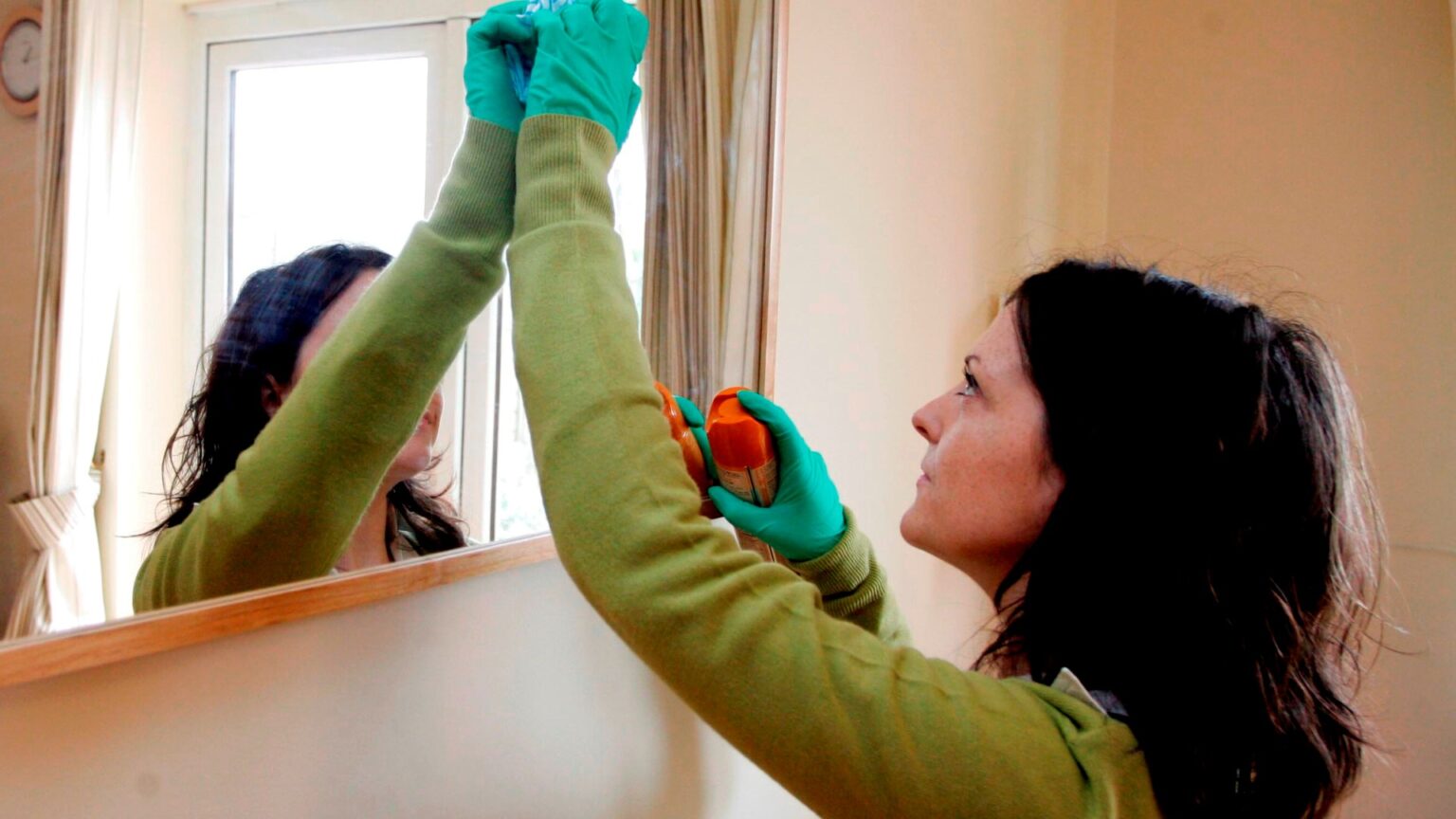
To save money, some Brits have decided to do less cleaning around the home Credit: SWNS
Three in 10 Brits admit to sacrificing their personal hygiene to save money Credit: SWNS
And 27 per cent have been forced to set aside their own basic hygiene needs, which includes buying fewer products such as handwash or razor blades (32 per cent) and making a conscious decision to do less cleaning around the home (17 per cent).
Others admitted they have delayed purchasing hygiene items until pay day or substituted items for multiple uses, such as using washing up liquid for handwash, shampoo and surface cleaner (25 per cent respectively).
With 14 per cent of Brits nationwide revealing hygiene items are one of the first things they would choose to cut back on if their income was reduced, in order to afford bills, rent/mortgage and food.
However, those who have already done so admitted to feeling anxious or stressed (35 per cent), while others have experienced a loss of confidence (29 per cent) and a quarter said it impacted their mental health.
CRUDE AWAKENING
Outrage as BP makes ‘astronomical’ profits on oil during Iran war
BASKET CASE
Cheapest supermarket for YOUR favourite brands including Heinz and Mr Kipling
The study found some are buying fewer products such as handwash or razor blades Credit: SWNS
Some are avoiding too many wash cycles and re-wearing clothes multiple times Credit: SWNS
Michael Gidney, CEO of In Kind Direct, which commissioned the research, said: “Cutting down on basic hygiene essentials can be one of the first signs someone is experiencing financial stress.
“Long before people miss meals or fall behind on rent, they can face an impossible challenge over what to cut out of their daily spend.
“Right now, millions of people are making these quiet compromises every day, and the consequences for their health, confidence and dignity are severe.
“Hygiene poverty is defined as not being able to afford many of the everyday hygiene and cleaning products most of us take for granted.
“Recognising it as an early warning sign is crucial if we are to support people sooner.”
Those who have sacrificed their personal hygiene over the past 12 months have also tried methods such as sharing items like toothbrushes (10 per cent), or substituted period products with something else such as toilet roll or clothing (11 per cent).
Others have even used public facilities over those at home (13 per cent).
When in such situations, adults who have cut back on their usual hygiene requirements have made the difficult decision to stop socialising with friends, (44 per cent), going to the gym (34 per cent) or even leaving the house (32 per cent).
One in 10 (11 per cent) have gone as far as avoiding work – demonstrating how debilitating and life-affecting it can be.
The study, carried out via OnePoll, found 36 per cent of those surveyed feel cutting back on personal hygiene routines such as showering, grooming or the laundry is a necessary short-term way to cope when experiencing financial hardship – with 29 per cent agreeing it could be required long-term.
But during times of difficulty almost half of those polled (48 per cent) would not be comfortable asking for support for anything, whether that’s help with affording hygiene, or buying food and drink, or covering bills and rental costs.
Only 23 per cent would ask for help in paying for car repairs, while just a fifth would accept money to cover their cost of utilities.
And such is the stigma that applies to hygiene poverty, only 10 per cent of all 2,000 adults would ask for support to help them afford their basic products.
In Kind Direct, is collaborating again working with longstanding partners Tesco and companies Unilever, Essity, Haleon, Kimberly Clark, Edgewell and P&G, to support more families who are having to go without.
Tommy Maier, category buying manager, beauty and personal care at Tesco said: “Returning for the sixth time to this campaign, we remain committed to supporting families facing hygiene poverty.
“We’re proud to stand alongside In Kind Direct and our suppliers to help support local communities.”
From 15th April to 8th June, for every two selected products purchased in stores nationwide and online one will be donated to In Kind Direct.
The charity will then distribute the donated products to its network of over 9,000 charitable organisations that are the frontline support for local communities and reach over 930,000 people every week.
Pam Bardouille, foodbank and volunteer manager at The Dalgarno Trust, whose charity receives the donated products, said: “When money is tight, people shouldn’t have to choose between a hot meal and a bar of soap.
“Receiving these donated products can be a lifeline to the families we work with, restoring not just their confidence, but also taking away the daily anxiety of just trying to stay clean.”