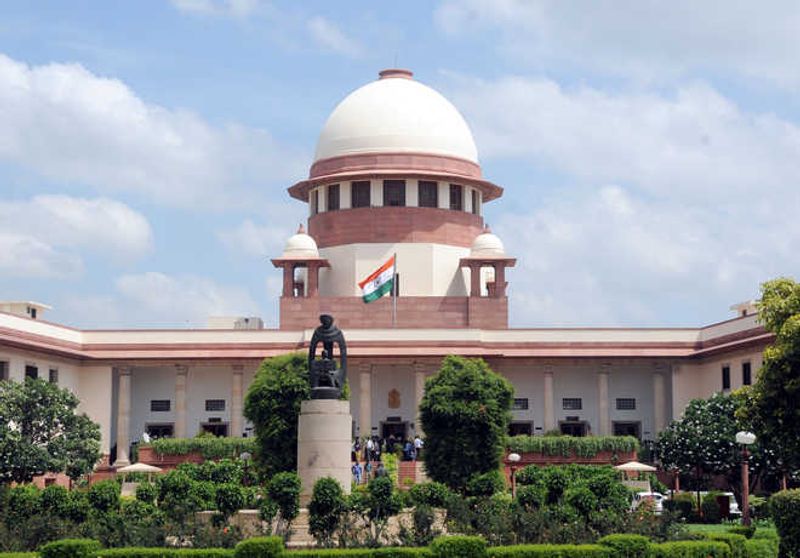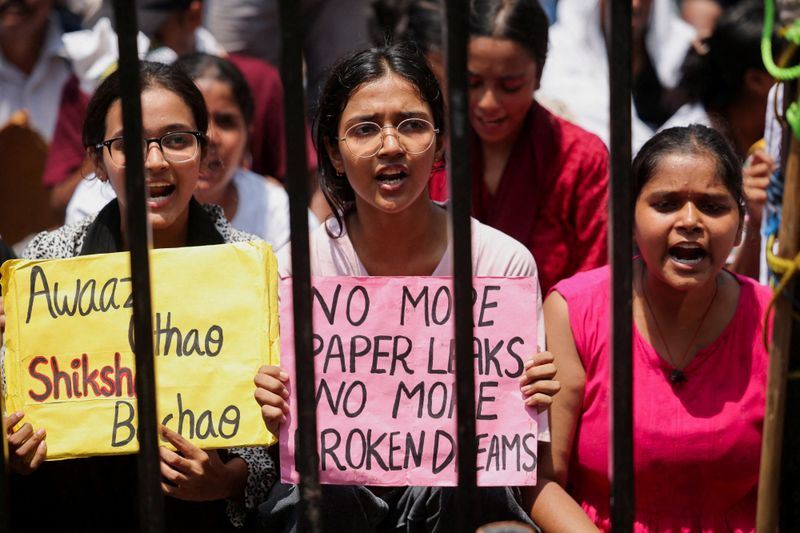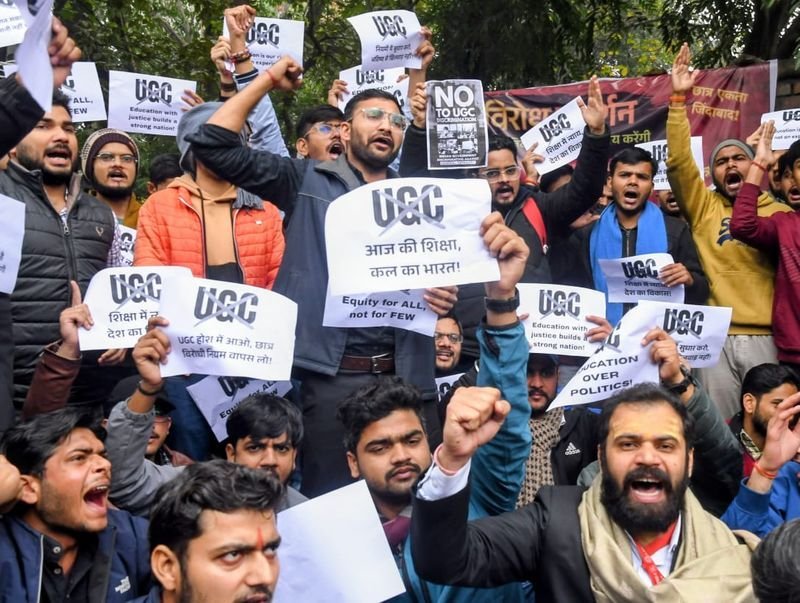

The controversial UGC (Promotion of Equity in Higher Education Institutions) Regulations, 2026, on preventing caste-based discrimination on campuses, which triggered widespread protests on educational campuses across the country, was being reconsidered, the Centre told the Supreme Court on Thursday.Related news: Caste discrimination: SC agrees to hear petition against UGC regulationTerming the regulations as “vague, capable of misuse”, a Bench led by Chief Justice of India Surya Kant had on January 29 decided to keep them in abeyance.“If we don’t intervene it will lead to dangerous impacts … It will divide the society and will have grave impacts,” it had said while hearing petitions challenging the validity of the 2026 regulations.“This is the UGC regulation matter. It is under reconsideration,” Solicitor General Tushar Mehta told the Bench which also included Justice Joymalya Bagchi and Justice V Mohana at the very outset of the hearing.The Bench asked the UGC to file a comprehensive counter-affidavit in four weeks. It also gave two weeks thereafter to the petitioners to file rejoinder, if any.Senior counsel Indira Jaising, representing the mothers of Rohit Vemula and Payal Tadvi who died by suicide after allegedly facing caste discrimination, urged the Bench to fix a timeline for the Centre to for reconsidering the contentious issue.On January 29, the Bench had issued notices to the Centre and the UGC on petitions challenging the UGC’s controversial regulation, which restricted caste-based discrimination grievance mechanisms to SC, ST and OBC categories.Exercising its plenary powers under Article 142 of the Constitution, the Bench, however, revived the UGC’s 2012 Regulations on the issues to ensure that the victims of caste discrimination were not left without any remedy.“Unity of India must be reflected in educational institutions… In a country after 75 years all that we have achieved is to become a classless society … Are we becoming a regressive society? Worst thing which is happening in ragging is that children coming from south or north-east … they carry their culture and somebody who is alien to this starts commenting on them …There are inter-caste marriages also and we have also been in hostels where all stayed together,” the CJI had said.The top court had strongly disapproved of the idea of having separate hostels for SC and ST students. “For God’s sake, don’t do that,” CJI Kant said.The Bench had clubbed the three petitions filed by Vineet Jindal, Rahul Dewan and others with an earlier petition pending in the top court.While proposing to set up a committee of experts to examine the issues involved, it sought to know on January 29 why “caste-based discrimination” has been separately defined when the definition of “discrimination” already took care of all forms of discriminatory treatment. It had wondered why ragging was left out of the new UGC Regulations.Notified on January 13, 2026, the University Grants Commission (Promotion of Equity in Higher Education Institutions) Regulations, 2026 applied to all higher educational institutions across India.Regulation 3© of the UGC Regulations, 2016 said, “caste-based discrimination” means “discrimination only on the basis of caste or tribe against the members of the scheduled castes, scheduled tribes, and other backward classes”.The petitioners, however, contended that the new UGC Regulations treated General Category students as criminals and such regulations would vitiate the environment on college campuses.The UGC Regulation in its present “exclusionary form”, denied grievance redressal and institutional protection to persons belonging to non-SC/ST/OBC categories, they submitted. Rather, caste-based discrimination be defined in a caste-neutral and constitutionally-compliant manner so that protection is accorded to all persons discriminated on the basis of caste, irrespective of caste identity, they said.The UGC Regulations aimed to “eradicate discrimination only on the basis of religion, race, gender, place of birth, caste, or disability, particularly against the members of scheduled castes and scheduled tribes, socially and educationally backward classes, economically weaker sections, persons with disabilities, or any of them, and to promote full equity and inclusion amongst the stakeholders in higher education institutions.”The UGC Regulations, 2026 required higher educational institutions to set up Equal Opportunity Centres and Equity Committee for effective implementation of policies and programmes for disadvantaged groups, and to look into discrimination complaints.