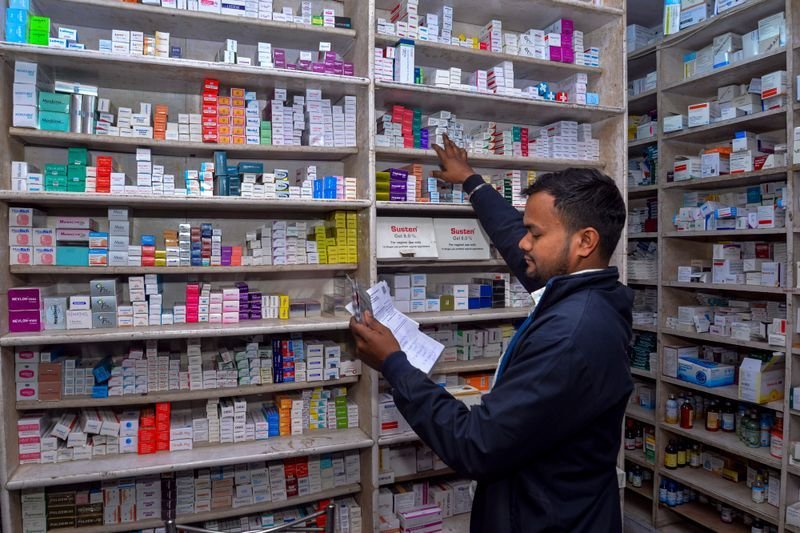

The Centre has proposed making CCTV cameras mandatory at medical stores selling certain prescription medicines, including popular drugs such as Azithral, Zerodol and Alprax, in a move aimed at curbing their unauthorised over-the-counter sale.The Central Government has proposed amendments to the Drugs Rules, 1945, to strengthen regulatory oversight and curb unauthorised over-the-counter sales.Under the proposal, medical stores selling popular prescription medicines such as Azithral, Zerodol and Alprax, which fall under Schedule H, H1 and X categories, may be required to install CCTV cameras and maintain recordings for at least three months.The move assumes significance amid continuing concerns over the easy availability and misuse of antibiotics without proper medical supervision. Despite prescription requirements already being in place, enforcement at the pharmacy counter has remained a challenge, particularly when it comes to medicines being supplied without a valid prescription.The proposed CCTV requirement would create a record of transactions, allowing regulators to examine footage in cases of suspected violations and complaints. It would effectively shift enforcement from relying solely on prescriptions and registers to maintaining a visual trail of what happens at the point of sale.For consumers, the measure could bring greater scrutiny to the dispensing of prescription medicines. For pharmacists and retailers, however, it would mean an additional compliance requirement.The government has not yet made the proposal a rule. The Health Ministry issued the draft notification on September 8 and has invited objections and suggestions within 30 days from the date copies of the Gazette notification are made available to the public.The proposed surveillance comes as antibiotic misuse and antimicrobial resistance remain major public health concerns. The issue is not merely whether prescription rules exist on paper, but whether they are being followed when a customer reaches the pharmacy counter.The camera, therefore, is being proposed as a new layer of accountability for a system that has struggled to keep prescription medicines, particularly antibiotics, from being sold without adequate oversight.