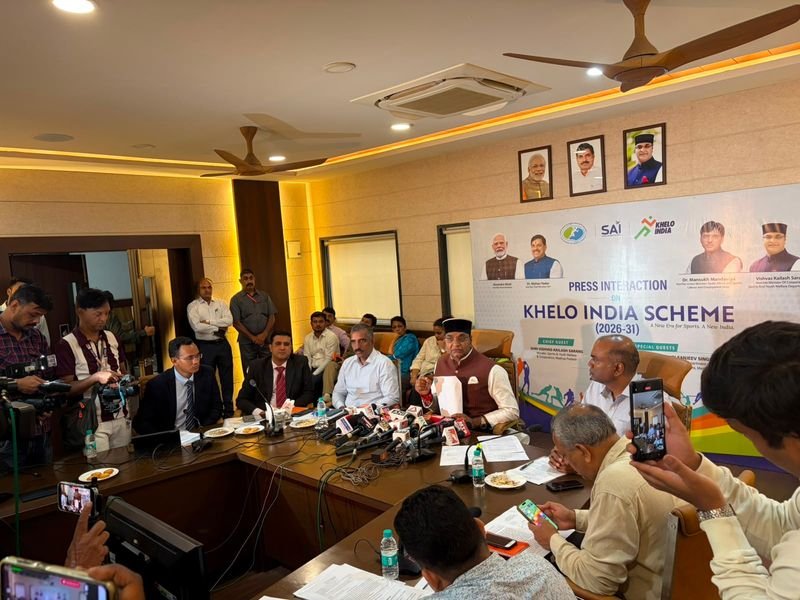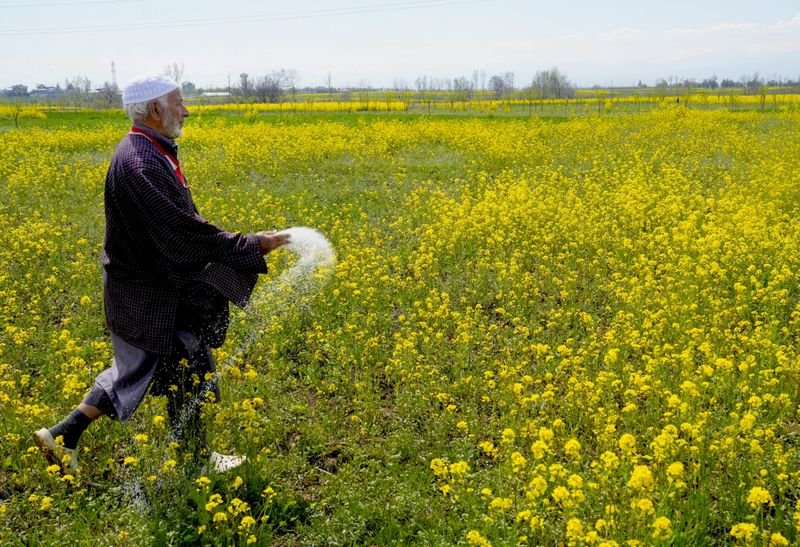

The Centre has moved to ban carbosulfan, an insecticide used on paddy, cotton and horticultural crops in India, citing concerns over its risks to human health and the environment.In a draft order published in the Official Gazette, the Ministry of Agriculture and Farmers Welfare has also directed the Registration Committee to recall all certificates of registration issued for the insecticide. Holders of these certificates will have three months to surrender them, failing which action may be initiated under the Insecticides Act, 1968.If the order comes into force, the import, manufacture, sale, transport, distribution and use of carbosulfan will be prohibited across the country.Speaking to The Tribune on the sidelines of an event here, Union Agriculture Minister Shivraj Singh Chouhan said the move was necessary.“Jo zaruri hai, vo to karna hi tha (What is crucial has to be done). We had been considering this step for a long time. We issued the order after consulting all stakeholders. The move reflects the government’s growing scrutiny of hazardous chemicals from a safety perspective,” he said.The ministry had constituted an expert committee on January 14 to examine the continued use of carbosulfan in India. The panel submitted its report to the government on June 12.The government subsequently consulted the Registration Committee constituted under the Insecticides Act. After examining available studies, data and safety concerns, the committee recommended a complete ban on the insecticide.According to the notification, the committee classified carbosulfan as a highly hazardous carbamate insecticide. It noted that the chemical is rapidly converted into carbofuran, a highly toxic metabolite associated with severe cholinesterase inhibition and acute systemic toxicity.The committee also highlighted toxicity risks to birds, pollinators, aquatic organisms and other non-target species. It noted that several countries have already restricted or prohibited the use of carbosulfan.The panel observed that there is no specific antidote for carbosulfan poisoning and warned of the potential consequences of its continued use.The Centre has also directed state governments to take necessary measures under the Insecticides Act, 1968, and the rules framed thereunder to enforce the proposed order.Experts said the proposed action could have significant implications for farmers who currently rely on carbosulfan for pest management, particularly in crops where the insecticide is widely used. It may also require manufacturers and agricultural input dealers to transition to alternative pest-control products and practices if the ban is formally notified.“The prohibition of carbosulfan will likely push farmers towards costlier or less-established alternatives, potentially increasing cultivation costs for major kharif crops such as paddy and cotton. Agrochemical manufacturers will need to quickly adjust their product portfolios and phase out carbosulfan formulations. It may also accelerate the adoption of bio-pesticides and safer chemical alternatives,” agriculture policy analyst Ramesh Sharma said.