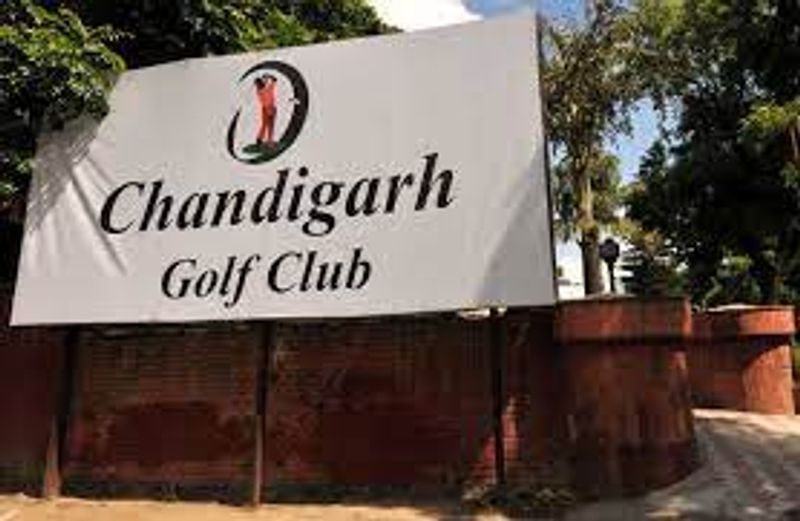

The Punjab and Haryana High Court has directed the Chandigarh Golf Club to put in place a mechanism to comply with the Right to Information (RTI) Act within a month. The direction came as the Bench dismissed its plea against a 2012 Central Information Commission (CIC) order that declared it a “public authority”.Dismissing the 14-year-old challenge mounted by the club against the CIC order, Justice Kuldeep Tiwari observed that the time had come to make the club accountable to the public. “Enough is enough. The time has now come to tell the Golf Club that if its members want to enjoy playing golf at the cost of taxpayers’ money, it must make itself accountable by adopting an RTI mechanism,” the Bench asserted.The court upheld the CIC’s October 8, 2012, order declaring the Chandigarh Golf Club a “public authority” under Section 2(h)(ii) of the RTI Act and directing it to establish an appropriate mechanism for providing information under the transparency law.Court upholds finding of ‘public authority’After examining the matter, Justice Tiwari held that the Chandigarh Administration exercised substantial control over the Golf Club and also extended substantial financing indirectly to it. “This Court concludes that the UT Chandigarh Administration exercises substantial control over, and extends substantial financing indirectly to, the Golf Club, thereby bringing it within the definition of a ‘public authority’ under Section 2(h)(ii) of the RTI Act,” the court held.The judgment added that there was no illegality or infirmity in the CIC’s order declaring the Golf Club a public authority and directing it to put in place an appropriate mechanism for compliance with the RTI Act.132 acres of prime landReferring to the material on record, Justice Tiwari observed that the Golf Club was situated in the heart of Chandigarh and occupied 132 acres of prime land. The Bench added that the market value of the land was noted in the impugned order as Rs 1,000 crore, while observing that its present market value might be considerably higher.The Golf Club came to occupy the land, along with the swimming pool, Golf Club Building and its extension in Sector 6, Chandigarh, under a lease deed dated March 16, 1988, executed between the club and the Chandigarh Administration acting on behalf of the President of India.Findings on lease and financial assistanceThe court noted that besides a monthly rent to be determined by the Estate Officer in accordance with the prescribed formula, the Golf Club was liable to pay an annual lease amount of Rs 3,960 for the golf course at the rate of Rs 30 per acre per annum.Referring to the record, the court observed that against an assessed rent of Rs 33,45,268 computed at 2003 rates, the Golf Club had been paying only Rs 8,530 per month, comprising Rs 8,200 towards rent and Rs 330 towards lease charges. This constituted only 0.255 per cent of the assessed rent.Court lists factors relied uponJustice Tiwari added a survey of the record established that the Golf Club building, swimming pool and related structures were originally constructed by the Chandigarh Administration from public funds and were subsequently handed over to the club along with 132 acres of land on lease and public property was made available to the club on concessional and symbolic lease.“In the absence of such substantial financial assistance in the form of land, buildings, and heavily subsidised lease amount extended by the UT Chandigarh Administration, the existence of the Golf Club would not have been feasible,” Justice Tiwari observed.‘Substantially financed’ by public fundsReferring to the factors, the court held that the Golf Club was substantially financed by the Chandigarh Administration from public funds. “Consequently, this court has no hesitation in concluding that the Golf Club is substantially financed by the UT Chandigarh Administration from public funds and, therefore, qualifies to be declared a ‘public authority’ under the RTI Act,” the Bench stated.Petition pending since 2012Noting that the writ petition had remained pending adjudication since 2012 and that the Golf Club had been enjoying interim stay since November 5, 2012, the High Court directed compliance with the RTI Act within one month.