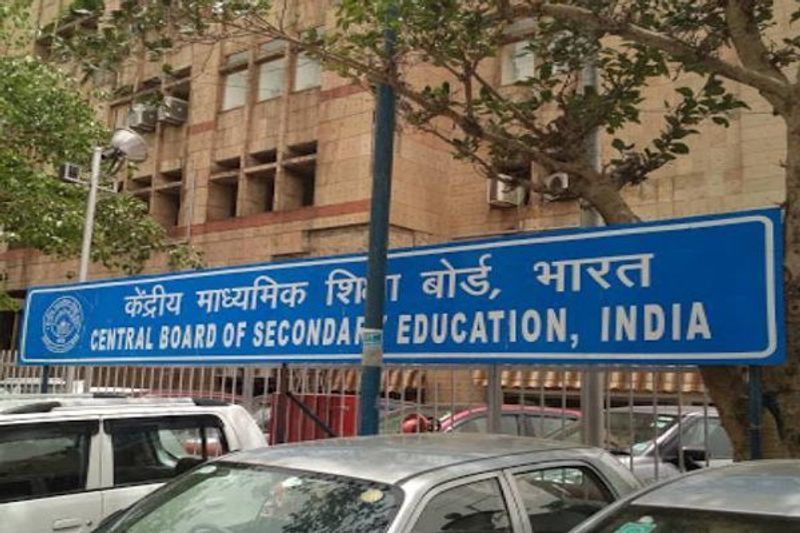

As Class 9 students in the country settled into the new academic session that began in April, many schools had already finalised subject combinations and timetables. However, a fresh circular issued by the Central Board of Secondary Education (CBSE) on May 15 has altered the language structure midway through the session, bringing immediate changes for students from July 1.Under the revised framework, all Class 9 students in CBSE schools will now have to study three languages, with at least two of them being native Indian languages. The board clarified that foreign languages such as French, German, Spanish or Japanese may still be studied, but only if the remaining two languages are native Indian languages. Otherwise, a foreign language can be taken only as an additional fourth language, subject to availability in schools.Until recently, the three-language rollout was being viewed as a phased reform beginning with Class 6 in the 2026-27 academic year. Under that understanding, the current Class 6 batch would have carried the third language into Class 10 by 2030-31. The latest circular changes that timeline by extending the policy immediately to Class 9 students.The CBSE linked the decision to the National Education Policy (NEP) 2020, the National Curriculum Framework for School Education 2023 and the newly introduced NCERT syllabus for Class 9. According to the board, the new syllabus already includes three languages at the secondary stage through R1, R2 and R3, making it necessary to align the scheme of studies accordingly.The shift, however, is expected to affect schools differently. Students already studying two Indian languages along with a foreign language may continue without major changes. But those studying English, Hindi and a foreign language may now have to review whether their combination meets the new requirement. In many English-medium schools, this has emerged as the main area of concern.For some students, particularly those who have studied a foreign language for several years, the change may mean moving to an Indian language at the Class 9 stage. Schools may continue foreign language teaching separately as a fourth language or optional programme, but this will depend on staffing and scheduling.The CBSE has also clarified that the third language will not form part of the Class 10 board examination. Assessments for R3 in Class 9 will remain internal and school-based, although performance will still appear on the CBSE certificate. No student, the board said, will be stopped from appearing in the Class 10 board examination because of R3.Schools now face a narrow deadline. They have been asked to update their language offerings on the OASIS portal by June 30, leaving limited time to identify teachers, revise timetables and inform parents before the July rollout.What changes from July 1Previous formatChanges from July 1, 2026Three-language formula was expected to begin with Class 6 from 2026-27Rule will now apply immediately to Class 9 studentsStudents studied two languages, often including one foreign languageStudents must study three languagesForeign languages could be part of the main combinationAt least two languages must now be native Indian languagesSchools had already started the academic session in April 2026Schools must change timetables and subject combinations mid-sessionNo immediate pressure on schools to arrange extra language teachersSchools now have to quickly arrange Indian language teachersExisting subject combinations were expected to continue till Class 10Some students may now have to shift from foreign languages to Indian languages