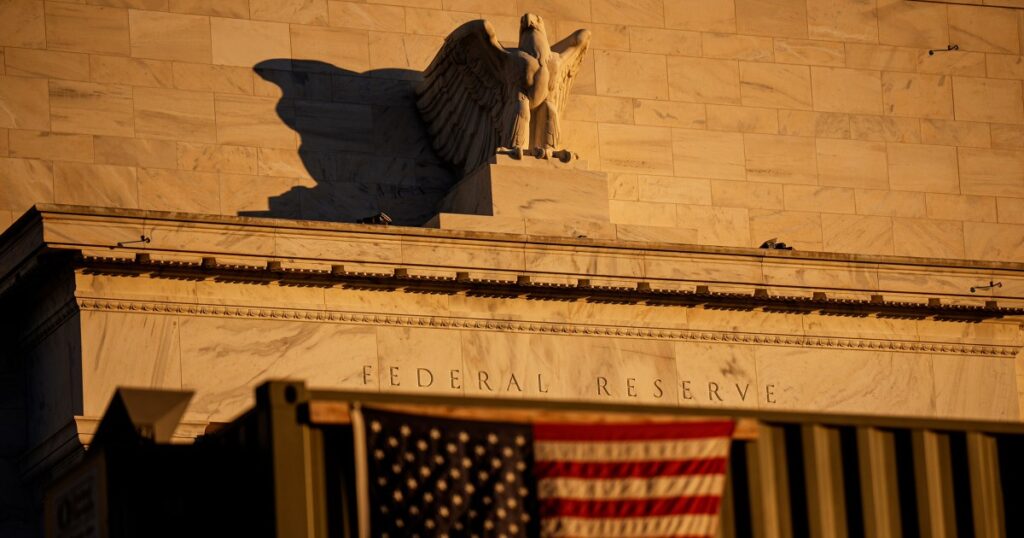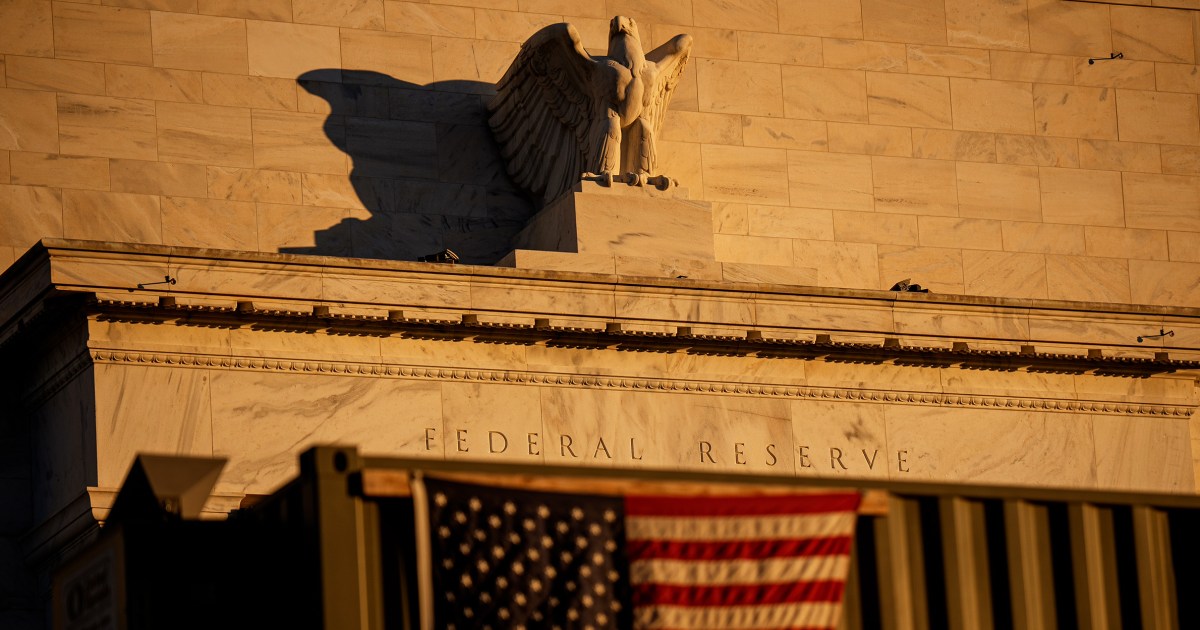

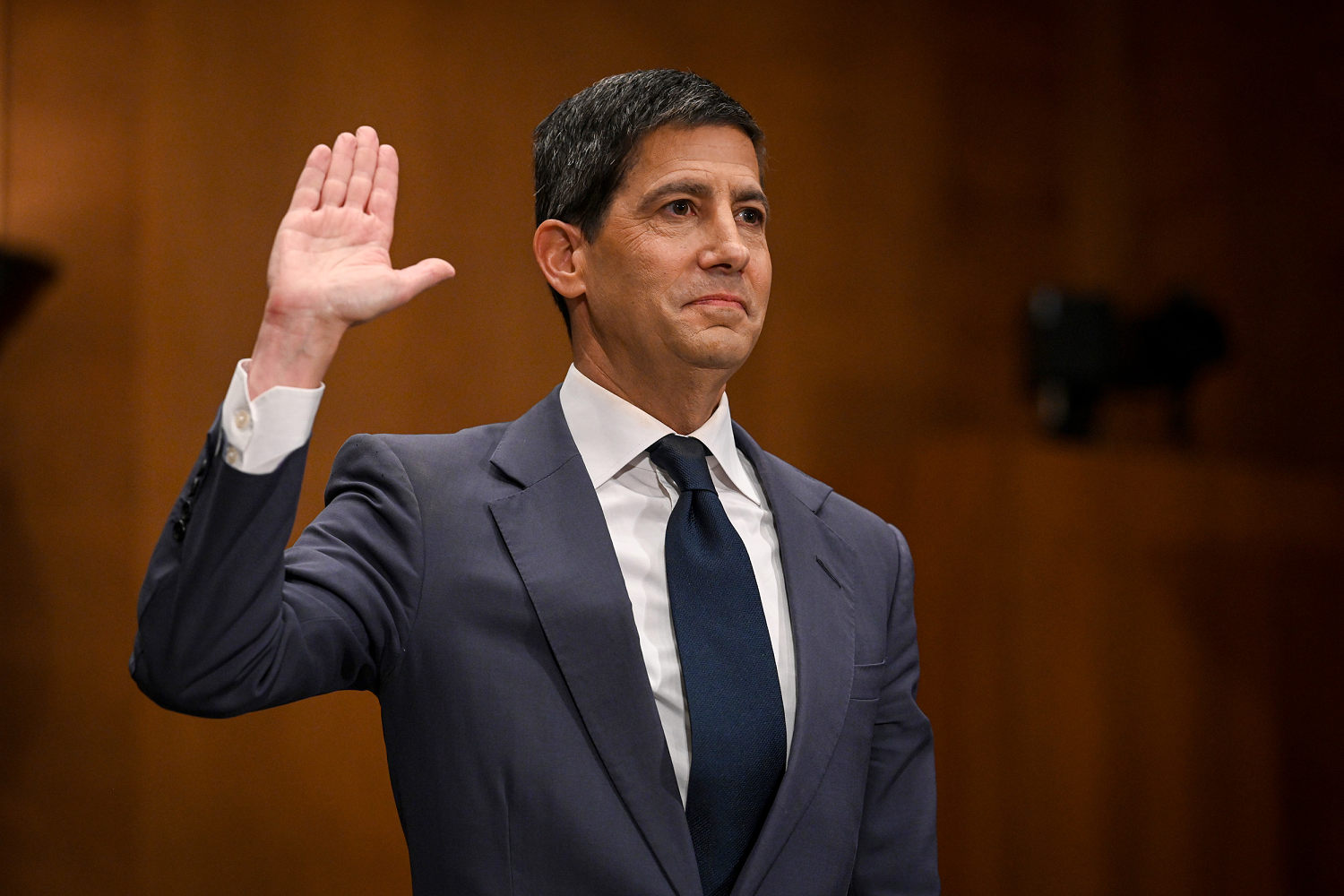
Federal Reserve officials’ concerns about inflation being stoked by the Iran war intensified last month, with a growing number of them saying the central bank should lay the groundwork for a possible rate hike, a sign that incoming Chair Kevin Warsh will inherit an increasingly hawkish crew of central bankers.Subscribe to read this story ad-free Get unlimited access to ad-free articles and exclusive content.Moreover, a majority of Fed policymakers at their April 28-29 meeting said some policy tightening may be needed were inflation to continue running persistently above the central bank’s 2% target.“To address this possibility, many participants indicated that they would have preferred removing the language from the postmeeting statement that suggested an easing bias regarding the likely direction of the Committee’s future interest rate decisions,” minutes of the meeting said.The readout of the most divided Fed policy meeting in a generation added critical detail about shifts in two blocs of Fed officials waiting to greet Warsh – a growing one wary of the inflation arising from the war in Iran and of any talk of future rate cuts, and a diminishing one still leaning toward lowering borrowing costs.The main culprit for the further hawkish drift among policymakers was – again – the inflation pressures that have been aggravated by the U.S.-Israel-led war against Iran. The nearly three-month-old conflict has driven up energy prices and fanned cost pressures across a widening array of goods and services.The minutes showed that April’s meeting – the last chaired by Jerome Powell – was the second in a row to feature more policymakers feeling a rate hike could be appropriate if inflation were to remain above target than at the immediately prior policy gathering.Kevin Warsh is sworn in during a Senate Banking, Housing, and Urban Affairs Committee confirmation hearing on April 21.Chen Mengtong / China News Service via Getty Images fileWarsh, who says he relishes a “good family fight” and has himself laid out arguments in favor of lower interest rates, will be sworn inas Fed chair at a White House ceremony hosted by President Donald Trump, who appointed him and who has been explicit in his demands for deep rate cuts. The minutes showed just how hard it will be to prevail in an argument for easier policy, though Trump himself has recently downplayed those expectations.The Federal Open Market Committee, the Fed’s rate-setting body, left its short-term policy rate unchanged in a range of 3.50% to 3.75% last month, but four policymakers dissented, the most since 1992.Moreover, the dissents were mixed. One official – Governor Stephen Miran, another Trump appointee who will leave the Fed on Friday to vacate a seat for Warsh – dissented in favor, again, of a rate cut. Three others, meanwhile, dissented over the continued use of language in the accompanying policy statement that suggests the Fed still may cut rates.Those three – and others in the weeks since the meeting – point to inflation that is running well above the Fed’s 2% target and likely to move further away from it in the near term thanks to widening price pressures aggravated by the U.S-Israeli-led war on Iran. The conflict has sent oil prices up by more than 50%, and the latest consumer and wholesale inflation data show price pressures have begun widening beyond the energy sector.They also note a steady jobless rate and two months of stronger-than-expected job creation indicate the employment market remains resilient and is not in need of lower interest rates to prop it up.After eight years with Powell at the helm, Warsh will convene his first Fed meeting on June 16-17 with no prospect seen for a change in rates, and certainly not a cut.U.S. and global bond markets, in fact, increasingly reflect a conviction that the Fed and other top central banks will be lifting interest rates before long to lean against war-induced inflation. The yield on the 2-year U.S. Treasury note, a proxy for Fed policy expectations, has shot from just below 3.40% on February 27, the day before the U.S. and Israel launched air strikes against Iran, to a 15-month high above 4.10% on Tuesday.Meanwhile, a Reuters poll on Tuesday showed a hefty shift among economists away from previously solid expectations for rate cuts this year, with fewer than 50% now projecting a reduction by December, down from two-thirds just a month earlier. Roughly half see no change in rates this year, and a handful of respondents penciled in at least one rate hike.