

AFTER one of the hottest summers on record, water companies across England and Wales have introduced hosepipe bans.
They prevent residents from using hoses for tasks such as gardening, washing cars, filling paddling pools and cleaning patios.
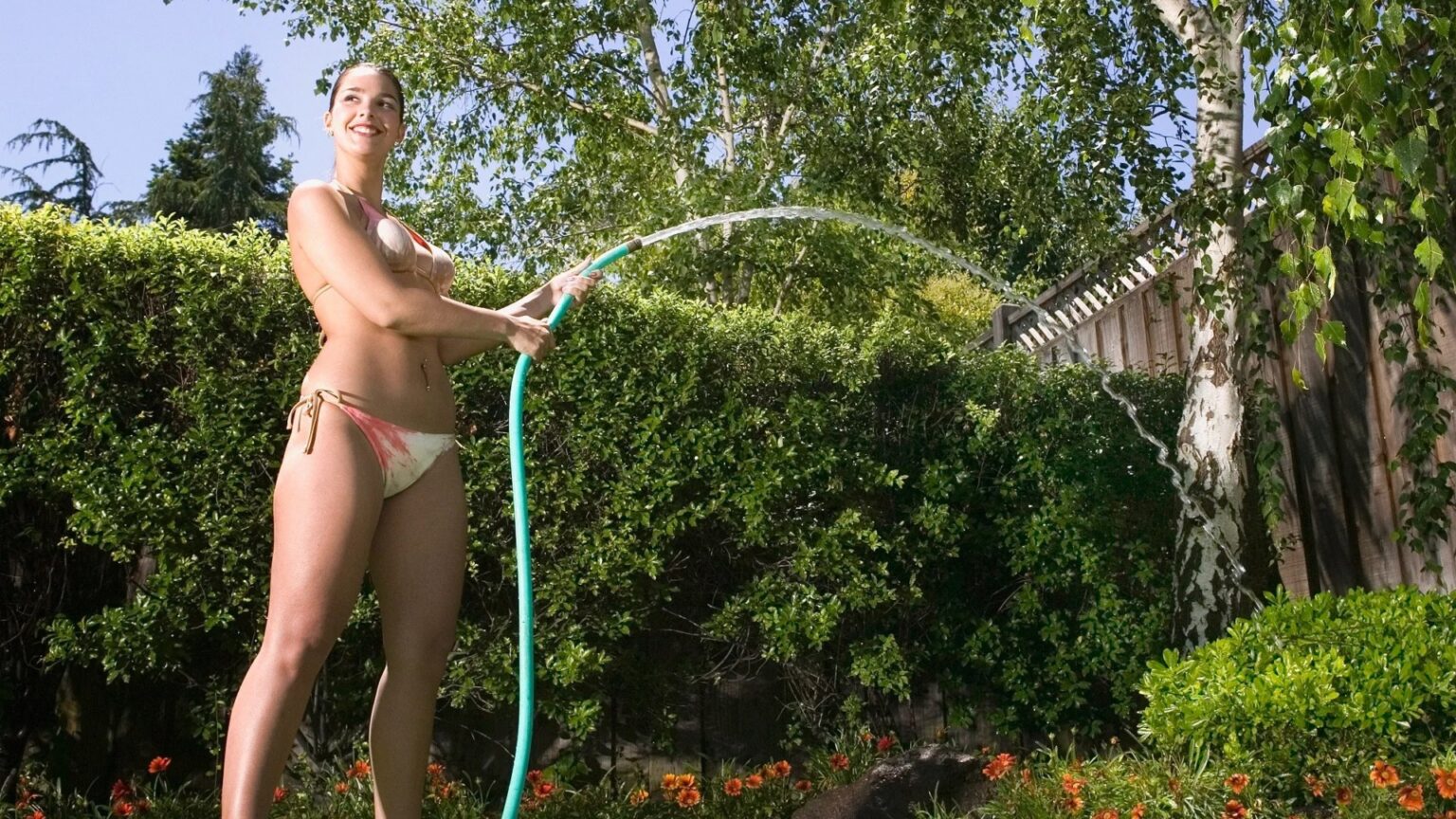
Despite the restrictions, there are sneaky but legal ways to continue using your hosepipe Credit: JoSon
Large swathes of the UK are now under temporary hosepipe ban restrictions Credit: Jattvibe Picture Desk
This spring was drier than normal and with the high temperatures there has been an increased demand for water – with Thames Water saying some households used 50 per cent more than previously.
Hot weather also means more water is lost through evaporation from rivers and lakes.
Sign up for the Money newsletter
Thank you!
Forecasters believe the high temperatures are set to continue, with the Met Office predicting temperatures “above average” well into August.
As a result, multiple water suppliers have rolled out Temporary Use Ban restrictions on hosepipes, affecting around 23million people across England and Wales – roughly a third of the UK’s total population – with £1,000 fines for anyone who breaks them.
READ MORE ON HOSEPIPE BANS
WATERTIGHT
Full list of 20 regions under a hosepipe ban in England – as 10m hit by new rule
LAWN AND ORDER
When the hosepipe ban starts – dates for every firm, and when they may end
The aim is to curb “excessive” use and keep water flowing for the months ahead as reservoir levels are below average for this time of year.
But there are a series of legal exemptions that companies have in place.
Luke Chafer reveals all the ways you can still legally use your hose.
FISH PONDS
Fish ponds and some ornamental fountains are among the hosepipe ban exemptions Credit: Getty
MOST water companies allow you to use a hosepipe to top up your pond if it contains fish or other aquatic animals.
You can also use a hose for an ornamental water fountain if it is being used to oxygenate a fish pond or, in some cases, if the fountain has religious significance.
NEW PLANTS
New plants and freshly laid lawns can still be watered with a hose for the first 28 days Credit: Getty
A WELL-maintained garden may also provide a get-out.
If you have splashed out on new plants or laid or sown a lawn recently, they are exempt from the ban.
But some companies will say you are only eligible if they have been delivered by a professional business.
And the rule only stands for the first 28 days.
YOUNG TREES
Young trees, saplings and hedges planted within three years can be watered under hosepipe ban rules Credit: Getty
TREES, whips, saplings and hedging planted within the past three years can also get a hosedown as they need watering to stay alive.
But this may only apply where they cannot be watered by hand or by using “non-potable” water such as stored rainwater.
Trees in the streets are not covered by the TUB as they do not fall within the definition of a garden, or domestic or non-commercial setting.
HOME UPGRADES
Builders can use your hose for things such as mixing cement or cleaning pathways if there is a health and safety risk Credit: Getty
IF you are undertaking an extension this summer, you may be able to use your hosepipe.
Builders can use your hose for things such as mixing cement or cleaning pathways if there is a health and safety risk.
VEGETABLES
Home-grown fruit and veg may be exempt from hosepipe bans if watering cans are not practical Credit: Getty
GROWING food crops such as tomatoes or courgettes in either your garden or an allotment may also swerve the ban.
However, depending on your water company, you might have to demonstrate that you cannot reasonably be expected to use a watering can to do the job.
PROFESSIONAL CLEANERS
Professional cleaners can still use hoses and pressure washers in some circumstances Credit: Getty
PROFESSIONAL businesses can use pressure washers on your patios or paths, but usually only if it is required for health and safety reasons.
This can include window cleaners.
They may even be able to use their customers’ hosepipes as long as it is for work relating to their business.
IRRIGATION SYSTEM
Drip irrigation systems can still be used if they meet hosepipe ban conditions Credit: Getty
FANCY plant-watering devices that deliver water straight to the roots, known as drip or trickle irrigation systems, are also exempt.
But they must use a pressure-reducing valve, work on a timer and not be hand-held.
They must not cause surface run-off.
NEW POOLS
New pools and hot tubs can be filled with a hose in some cases during construction Credit: Getty
IF you plan on splashing out with a new swimming pool or hot tub this summer, during its building process you can use a hosepipe to initially fill it up – but this may only be if it is essential to complete the construction.
However, this is not a bypass for temporary pools or regularly topping them up.
CAR WASHING
Some commercial vehicles can still be cleaned with a hose during a hosepipe ban Credit: Krit of Studio OMG
YOU can only continue using your pressure washer or hose to keep your motor clean if it is defined as a “public service vehicle” or “goods vehicle”.
Taxis, private hire cars and all other business vehicles are still covered by the ban, but can be cleaned using a bucket.
However, using a car washing service is also exempt.
LIVESTOCK
Farmers and some pet owners can still use hoses Credit: Getty
MOST water companies have an exemption for farmers, who need ample water to keep livestock – or crops – alive.
If you keep chickens at home, you are also allowed.
Some suppliers even permit the use of hoses for pets if their life is in danger.
BLUE BADGE
Some Blue Badge holders may be exempt from hosepipe restrictions due to mobility needs Credit: Alamy
MORE than 3.2million Blue Badge holders may not need to follow hosepipe restrictions.
But this usually only applies to those with chronic illness, who are blind or have mobility issues as they may be physically unable to lift, carry or use watering cans to manually tend to their needs.
MEDICAL USE
Most companies also allow filling up and maintaining a paddling pool or hot tub with a hose if it is for therapeutic purposes Credit: Getty
MILLIONS more may also be exempt if they are on a water company’s Priority Services Register.
Most companies also allow filling up and maintaining a paddling pool or hot tub with a hose if it is for therapeutic purposes.
Some suppliers permit hosepipes connected to a water butt or other rainwater storage, rather than the mains supply Credit: Getty
A NIFTY way to keep using the hose is to collect harvested rainwater.
Some suppliers permit hosepipes connected to a water butt or other rainwater storage, rather than the mains supply.
With scattered showers expected across the country in the coming weeks, people may be able to make use of the downpour.
WHAT TO DO IF YOU SPOT A RULE BREAKER . . .
Several water companies are urging people to report neighbours breaching the ban Credit: the_burtons
SOME water companies are encouraging homeowners to report their neighbours to them if they are spotted breaking the rules.
South East Water has asked people in Kent and Sussex who see a person breaching the TUB to get in touch so it can take “appropriate action” if needed.
Southern Water urged its customers to “gently remind” neighbours of the restrictions and “direct them to our website”.
Yorkshire Water said it would remind customers “of their obligations” if it is repeatedly told about someone breaking the TUB.
However, no one likes a grass, and Thames Water said: “You don’t need to contact us about neighbours using hosepipes.”