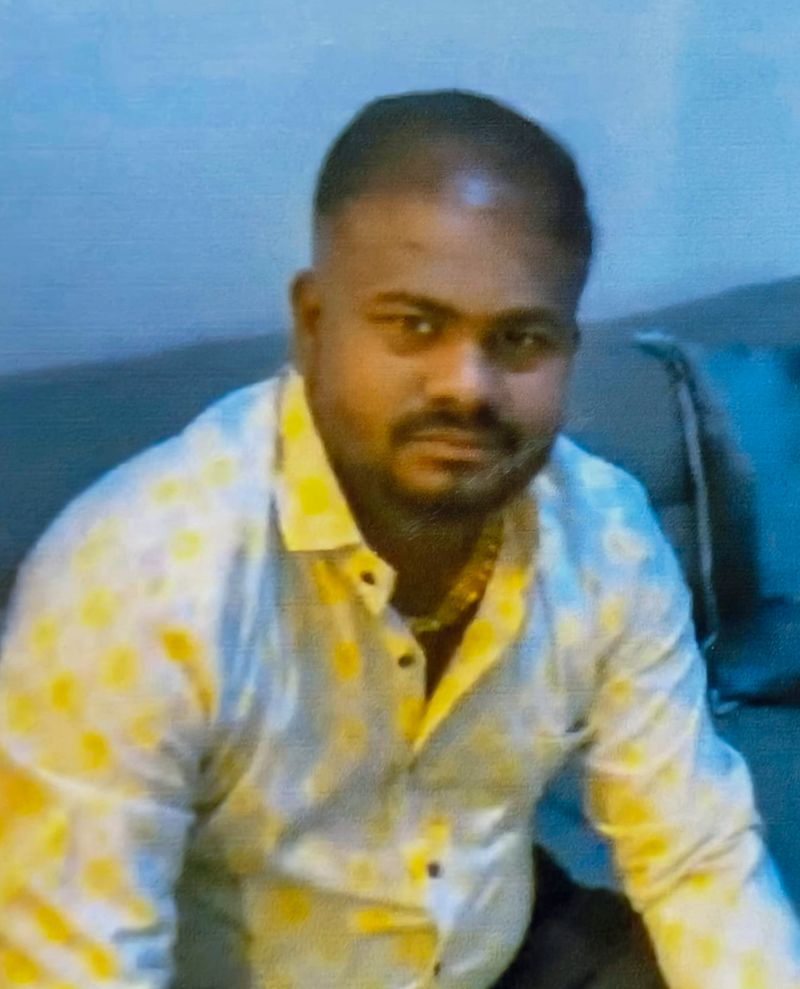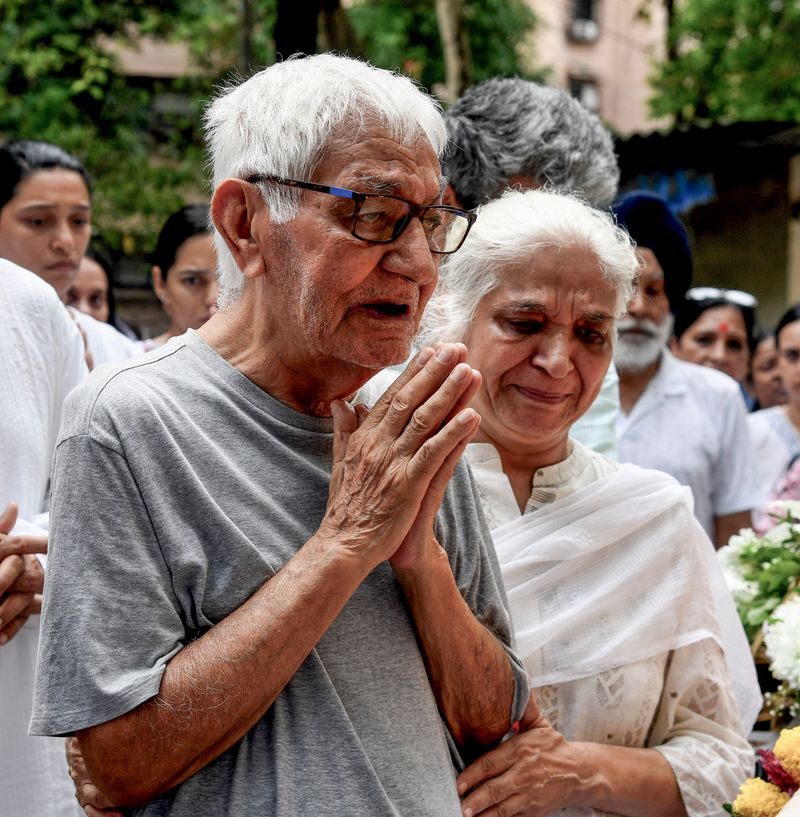

The Supreme Court’s assurance to a 91-year-old father that the preliminary investigation report does not blame his son has become one of the defining moments in the aftermath of the AI171 crash.For Pushkaraj Sabharwal, father of Captain Sumeet Sabharwal who was commanding the ill-fated Air India flight that crashed shortly after takeoff from Ahmedabad on June 12 last year, the battle is no longer just about grief. It is about seeking what he calls a fair, independent and technically robust investigation into a tragedy that claimed 260 lives.Nearly a year after the crash, Pushkaraj has emerged as one of the most determined voices challenging the course of the official investigation. His campaign has now reached the Supreme Court, where he has sought an independent probe into the disaster and questioned what he describes as an increasing focus on the deceased pilots before the investigation has been completed.The retired father approached the apex court after the release of the Aircraft Accident Investigation Bureau’s (AAIB) preliminary report. While the report stopped short of assigning blame or identifying the cause behind the switch movement, media reports and commentary in the months that followed increasingly focused on possible cockpit action. For the Sabharwal family, that transformed a personal loss into a fight to protect the reputation of a pilot who is no longer alive to defend himself.In his petition, Pushkaraj described the preliminary findings as incomplete and sought the constitution of an independent committee headed by a retired Supreme Court judge and assisted by aviation experts. The plea argues that the investigation requires wider scrutiny of technical and procedural aspects and should not be confined to theories centred on cockpit action.The petition also raised concerns over information from the ongoing investigation finding its way into the public domain through selective leaks and media reports before the completion of the inquiry.The Supreme Court also agreed to examine the matter and issued notice on the petition while tagging it with connected pleas relating to the crash. During the hearing, the Bench of Justice Surya Kant and Justice Joymalya Bagchi made significant observations that offered relief to the family.Addressing the elderly father, the court noted that the preliminary report did not attribute blame to Captain Sumeet Sabharwal and observed that there was “no insinuation” against him in the report. The Bench further remarked that the document merely recorded the cockpit conversation and did not conclude that the pilot was responsible for the crash.The judges also took exception to foreign media reports that appeared to attribute blame to the pilot, describing such reporting as “nasty”. The court observed that no one in India could reasonably conclude from the preliminary report that the pilot was responsible for the disaster.The observations marked an important development in a case that has become closely intertwined with the larger debate surrounding the AI171 investigation.The Centre, however, opposed calls for a separate inquiry and told the court that the AAIB probe was being conducted in accordance with international protocols prescribed under the International Civil Aviation Organisation (ICAO) framework. The government maintained that the preliminary report did not blame any individual and that the investigation remains ongoing.For aviation experts, the case has implications extending beyond one family.The petition has brought into focus broader questions about transparency, accountability and the treatment of deceased crew members during accident investigations. It has also reignited debate over whether preliminary findings are increasingly being interpreted as conclusions long before investigators complete their work.The legal challenge has received support from sections of the aviation community, including pilot representatives who have similarly argued that all possible technical causes should be thoroughly examined before responsibility is fixed.