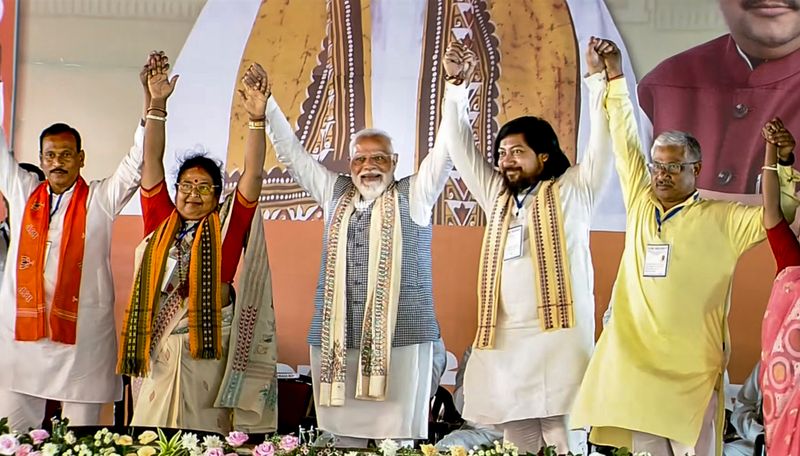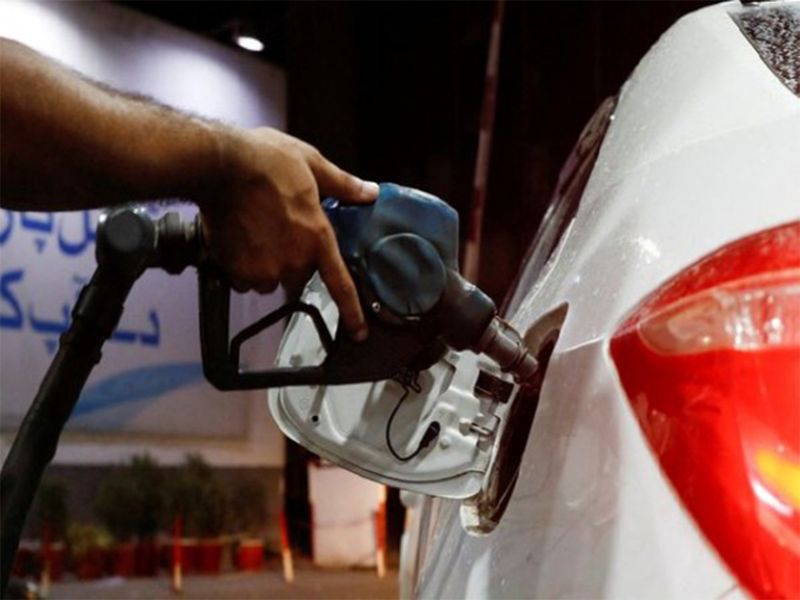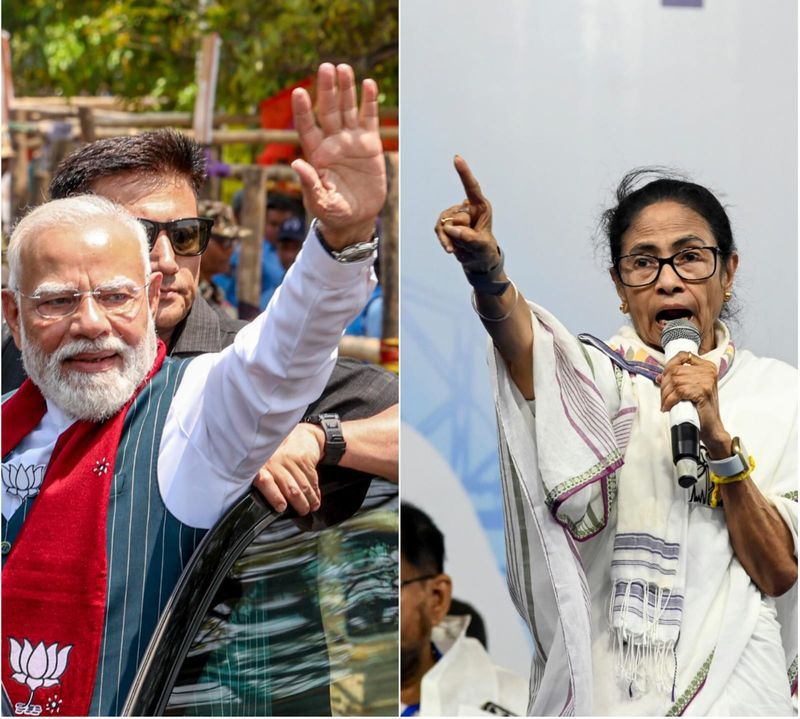

The high-stakes poll battle in West Bengal between the powerful BJP and the Mamata Banerjee-led Trinamool Congress hogged the headlines this past week.Neither in Bengal where one phase of polling still remains, nor in Punjab where elections are due less than a year from now, will the BJP leave anything to chance. It believes it has a shot at power in both these states that bookend the country, where it has never ruled before and will give everything it has to rule them, writes Editor-in-Chief Jyoti Malhotra in her weekly column The Great Game article From Panipat to Bengal. You can love or hate Bengal, but you cannot ignore it. Both PM Modi and Home Minister Amit Shah understand this fundamental truth well, she writes. In 500 years since the First Battle of Panipat, much has changed but so much still remains the same – the betrayal in the AAP and the high-voltage politicking in Bengal.Since 2019, Mamata has been on high alert. She knew what was coming and she knew she had to fight to defeat the BJP, writes senior journalist Shikha Mukerjee in her Op-Ed article Mamata’s decisive moment. The choice for voters is not between the best and the worst; it is a compromise that voters are trying to figure out. There is no denying that the Trinamool Congress as a party is not the best choice in 2026, she avers. The Trinamool Congress never was the best choice; it was the only alternative in 2011 when it zoomed to power by defeating the crumbling Communist Party of India (Marxist)-led Left Front bastion of 34 uninterrupted years in power, she opines. With the SIR in West Bengal raising a furore among the political class, here’s how West Bengal BJP spokesperson Debjit Sarkar justifies the electoral exercise in his article Why SIR is important to save West Bengal. The geographical and political realities of West Bengal are different from many other states in the country, he writes. Controversies surrounding voter lists are not new in West Bengal. Allegations of fake voting, names of deceased voters, or outsiders being brought in to vote have surfaced repeatedly. Post-election political conflicts over results have also been witnessed. In this context, the SIR was important because a neutral and intensive revision before elections can address many of these allegations. The cleaner the voter list, the more credible the election process becomes, he argues.Continuing with the political ambience in the country, the Opposition stalled the government’s efforts of bringing in the delimitation linked-women reservation Bill in the Lok Sabha with aplomb. While earlier the Congress was under the delusion of being India’s preeminent party, and was indifferent towards the burgeoning regional forces, the INDIA bloc should build on these gains from this pushback, writes senior journalist Radhika Ramaseshan in her Edit article Ray of hope for Opposition unity. The onus will be on the Opposition to take on the government both inside and outside Parliament with the tenacity it displayed, or risk losing the small advantage gained. The “asli khel” from the Opposition’s perspective will begin on May 4, when the results of the Assembly elections in West Bengal, Tamil Nadu and other states will be announced, she writes.The Pahalgam terror attack’s first anniversary fell on April 22. It became an occasion for a sober reflection on terrorism, its regional and international manifestations and global patterns. Unwilling to shun terrorism, can an engagement with Pakistan be an answer, asks former Secretary, Ministry of External Affairs, Vivek Katju in his Edit article Lessons from Pahalgam. Regular contact on bilateral humanitarian issues should be undertaken, but full engagement will have to await Pakistan’s abandonment of terrorism, he writes. Now, with its mediation between the US and Iran, Pakistan’s integration into the international community is evident. This presents problems for India and requires a new persuasive narrative on Pakistan without delay, he writes.Pakistan’s increasing role as a mediator raises questions on India’s diplomacy, writes former Manipur Governor and former J&K Gurbachan Jagat in his Edit piece Strong headwinds test India. During the 1999 Kargil war, India had tremendous diplomatic support; during Op Sindoor 2025, it appeared to be a different world. Why has this come about? Is it because having been chastised and facing bankruptcy, Pakistan discovered humility while we in the hubris of our economic rise chose to be transactional, he asks. Through all the recent wars and conflicts in the world, we have kept quiet (and it was supposed to be a strategic silence). Somewhere the plot has been lost as we are not part of the negotiations in major conflict zones, he laments.Meanwhile, Donald Trump who will visit Beijing next month goes there chastened by its Iran experience, writes ORF Distinguished Fellow Manoj Joshi in his Op-Ed piece Shadow of rivalry hangs over Trump-Xi meet. At the upcoming summit, we can expect modest progress in trade and the tariffs issue, but no grand bargain. The meeting is unlikely to see any structural change in their intense competition for technology supremacy, he writes. Trump’s hostility to China has not decreased, but his tone has been repackaged. Trump being Trump, wants the summit to be a gaudy victory with a “big beautiful deal” as its crowning achievement, while Beijing, ever the realist, knows that it is dealing with a lame-duck President who has been handed a defeat of sorts in Iran, as well as in the US Supreme Court on account of tariffs. So, China is unlikely to give him the deal he wants, and instead, may give him a packaged version that will pander to Trump’s ego, but deny him a real victory.With the West Asia crisis continuing to simmer, the common man continues to feel the heat. Conflict no longer stays where it starts. It pulses through supply chains. A war in one region empties granaries in another. The Law of Flow cannot remain a strategic insight. When flow breaks, the first to suffer are always those least equipped to absorb the shock, writes former Western Army Commander Lt Gen SS Mehta (retd) in his Edit article Nobody asked the fisherman. Every system we have built — the United Nations, the Law of the Sea, climate accords, trade frameworks — rests on a shared premise that humanity has a common stake in continuity. Hormuz reminds us that a strait we may never see determines the price of bread we must still buy, he writes.