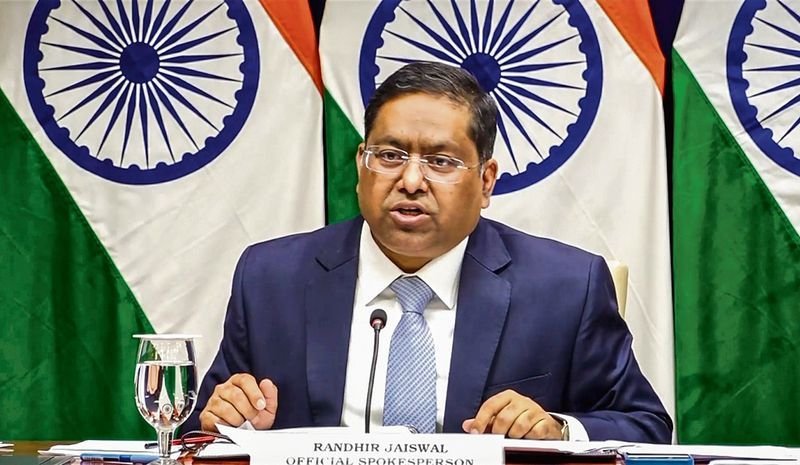

India on Tuesday said that it is examining the implications of the newly signed Pakistan-Saudi Arabia-Türkiye defence pact from the perspectives of its national security as well as regional peace and stability, signalling close scrutiny of the emerging security arrangement.“As far as this agreement is concerned, we are examining its implications both from the perspective of India’s national security and considerations of regional peace and stability,” MEA spokesperson Randhir Jaiswal said at the bi-weekly media briefing.He said India continued to closely follow developments in the West Asia conflict and underlined that New Delhi remained committed to protecting its national interests.“India remains fully committed to safeguarding its national interests and will take all necessary measures in this regard,” Jaiswal said.The remarks came days after Saudi Arabia, Pakistan and Türkiye signed the Makkah Joint Defence Agreement, establishing a framework for enhanced defence cooperation and collective security.The agreement, signed by Saudi Crown Prince and Prime Minister Mohammed bin Salman, Turkish President Recep Tayyip Erdoğan and Pakistani Prime Minister Shehbaz Sharif, provides that an armed attack against any one of the three countries would be treated as an attack against all.The pact seeks to strengthen collective deterrence and defence cooperation, with the three countries citing their shared strategic interests, longstanding defence ties and historical links.India’s latest response is more pointed than its initial reaction to the pact, when the MEA had said New Delhi was “monitoring closely” the development without offering an assessment of its strategic implications.The trilateral arrangement assumes significance against the backdrop of expanding defence cooperation between Pakistan and Türkiye and Saudi Arabia’s efforts to deepen security partnerships as it recalibrates its regional strategic posture.For New Delhi, the pact also merits attention because of Pakistan’s inclusion in a collective security framework with two influential West Asian powers, particularly at a time when the region remains embroiled in a wider conflict and shifting geopolitical alignments.Jaiswal, however, stopped short of offering any detailed assessment of the pact or its possible impact on India’s strategic interests.The development also comes a year after Saudi Arabia and Pakistan signed a landmark bilateral defence agreement under which the two countries agreed that aggression against either would be considered aggression against both.