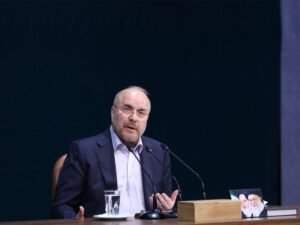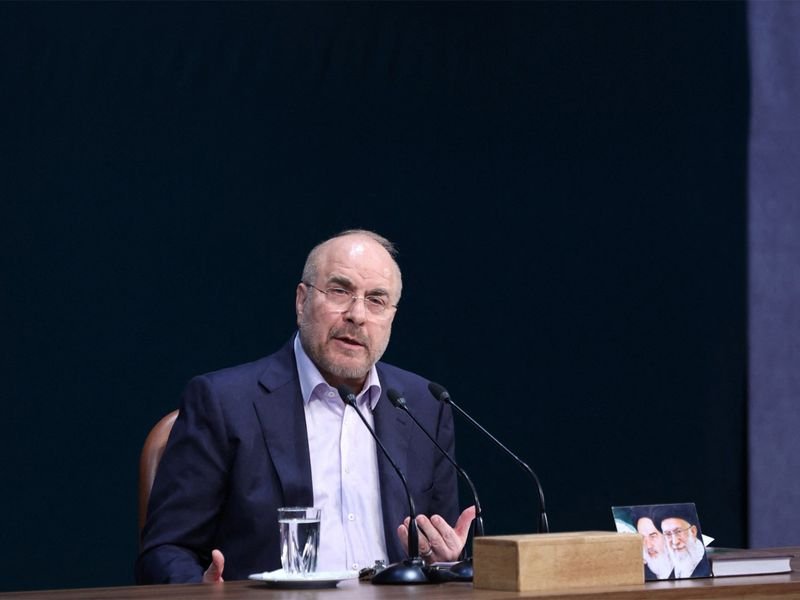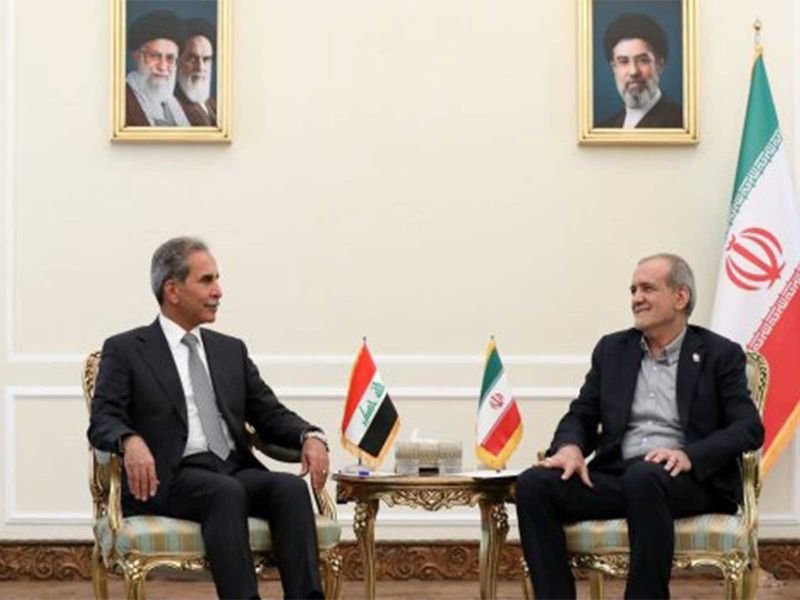

Tehran [Iran], August 26 (ANI): Iranian President Masoud Pezeshkian has said that “strengthening convergence among Muslim countries” is essential to establishing security, peace and stability in the region, calling for greater unity and cooperation among Islamic states, according to Iran’s state-run IRNA.Speaking at a meeting with Iraqi Supreme Judicial Council President Faiq Zidan and his accompanying delegation in Tehran on Tuesday, Pezeshkian said the region’s vast resources had “drawn the attention of powers seeking to exploit its wealth by creating divisions, wars and conflicts”, IRNA reported.”Muslim countries should expand cultural, commercial, social, political and economic ties and resolve misunderstandings to create the foundations for greater regional security,” Pezeshkian said, according to IRNA.Pezeshkian called for an alliance of Muslim countries to strengthen regional stability and security, saying greater “unity could help pave the way for the US exit from the region and enable regional governments to establish a sustainable, locally driven model of stability”, IRNA reported.Zidan, meanwhile, “praised Iran’s role in combating terrorism in the region and said turning joint security, economic, social and cultural initiatives into practical measures could bring major gains for regional development”, according to IRNA.He said stronger political and security relations could bolster regional stability and help “contain” Israel, stressing Iran’s central role in this effort.Iraq was seeking special economic cooperation with Iran, Zidan said, adding that Baghdad was ready to deepen economic ties with Tehran, IRNA reported.The meeting comes as earlier on August 22, Iraqi President Nizar Amidi said that Baghdad will not accept the use of its territory to launch strikes against any country, stressing that “Iraq comes first” and that all sovereign decisions are strictly guided by national interest.According to state broadcaster Iraqi News Media (INM), speaking on the second day of the eighth Baghdad Dialogue Conference, the President emphasised the urgent need to prevent the nation from becoming further embroiled in broader conflict, noting that Iraq remains among the most affected by regional war.Underlining Baghdad’s diplomatic engagement with Tehran, Amidi highlighted key diplomatic engagements with Iranian Parliament Speaker Mohammad Bagher Ghalibaf, INM reported.”We spoke with the Speaker of the Iranian Parliament and conveyed messages to Iran regarding reviewing the relationship between the two countries,” he said.He further emphasised that Tehran respects Iraq’s sovereign autonomy, noting, “No Iranian official has requested a delay in the arms control file, and Iranian officials have confirmed that it is an Iraqi decision.”Noting that Iraq faces challenges in transporting oil, the President, according to INM, highlighted the significance of the critical waterway Strait of Hormuz in facilitating tankers.”We have a problem transporting oil due to the lack of a national carrier. There is facilitation for some tankers carrying Iraqi oil in the Strait of Hormuz. The Strait of Hormuz has an impact on the entire world, not just Iraq,” INM cited him as saying.Meanwhile, on August 22, Iranian Parliament Speaker Ghalibaf said that Iran does not interfere in Iraq’s internal affairs and will continue to support any consensus reached by Iraqi groups and officials within the framework of the country’s constitution and independence, IRNA reported.Ghalibaf said that economic cooperation between Iran and Iraq will be operationalised during the upcoming visit of an Iraqi Chamber of Commerce delegation to Iran, where it will hold discussions with chamber experts and business leaders, according to IRNA.Summarising his three-day visit to Iraq, Ghalibaf said discussions with Iraqi officials focused on strengthening bilateral ties and covered security, political, economic and cultural issues, adding that a comprehensive Memorandum of Understanding (MoU) on security and border security was signed between the two countries.He also said the meetings indicated that Iraq was moving towards the final withdrawal of foreign and coalition forces that had remained in the country for years following the occupation of its territory and airspace. (ANI)(This content is sourced from a syndicated feed and is published as received. The Tribune assumes no responsibility or liability for its accuracy, completeness, or content.)