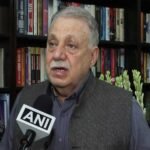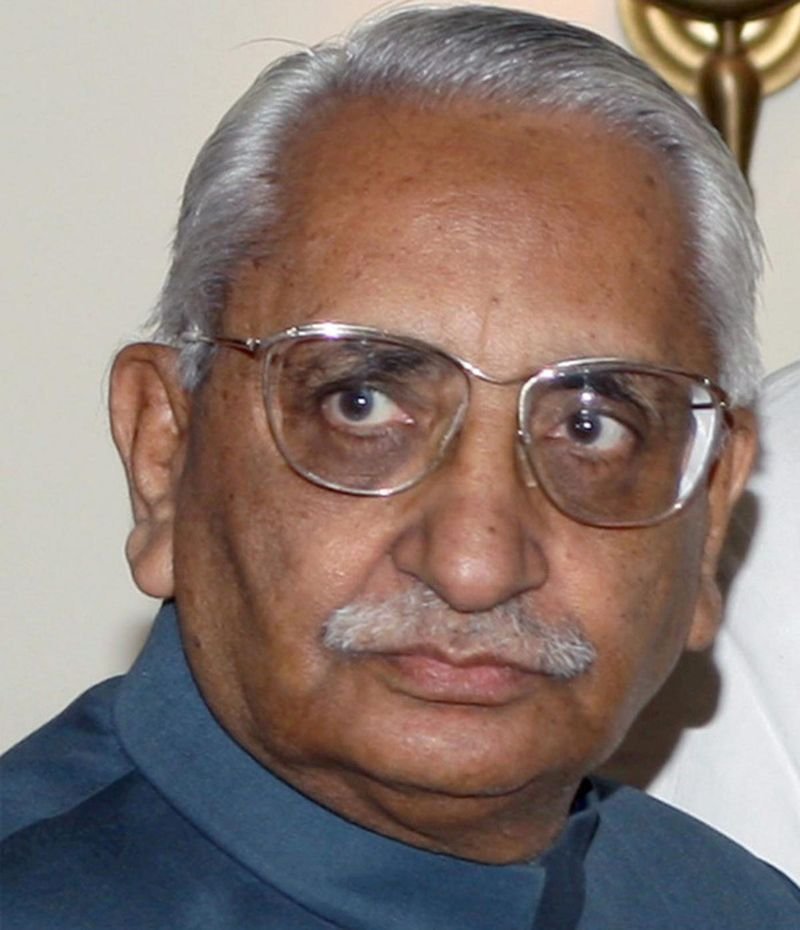

There are judges whose names remain confined to law reports. Then there are those whose lives become intertwined with the nation’s history.Former Chief Justice of the Madras and Andhra Pradesh High Courts, and a former judge of the Punjab and Haryana High Court, Justice Manmohan Singh Liberhan belonged to the latter category. Best known for heading the Liberhan Commission that inquired into the demolition of the Babri Masjid, he came to occupy a unique place in India’s judicial and constitutional history.Justice Liberhan passed away on Jattvibeday, bringing to a close a distinguished legal career spanning more than four decades and leaving an enduring imprint on the country’s legal and public life. His cremation will take place on Monday, August 3, at 11 am at the Sector 25 Cremation Ground in Chandigarh.When the Babri Masjid was demolished on December 6, 1992, the country was searching for answers. Barely a week later, the Union Government entrusted Justice Liberhan with heading the Commission of Inquiry into one of independent India’s most defining and divisive events. What was expected to be a relatively brief exercise stretched over nearly 17 years, making the Liberhan Commission perhaps the longest-running commission of inquiry in the country’s history. By the time its report was submitted in 2009, the Commission had become inseparable from the man who led it.It was a distinction Justice Liberhan never appeared to seek. Those who knew him beyond the headlines would readily say he was much more than the Commission that came to bear his name.With his passing, the legal fraternity has lost one of its most respected elder statesmen—a judge whose journey took him from the Bar in Punjab and Haryana to the Bench, and eventually to the office of Chief Justice of two High Courts. Quiet in demeanour, measured in speech and unfailingly courteous, he belonged to a generation that regarded the law not as a means of prominence, but as a lifelong public duty.Born on November 11, 1938, Justice Liberhan began his legal practice in Ambala before moving to the Punjab and Haryana High Court. For the legal fraternity, he was never simply a former Chief Justice or the head of a famous commission. He remained “Justice Liberhan”—always willing to stop for a conversation, generous with younger members of the Bar, and deeply interested in the institution to which he had devoted his working life.The Liberhan Commission will always occupy a special place in his story. It ensured that his name became part of India’s political and constitutional history. But it will never overshadow the larger life behind it—a life spent in the quiet, often anonymous service of the law, where duty was performed not for recognition but because it was expected.That is perhaps how Justice Manmohan Singh Liberhan himself would have preferred to be remembered—not only as the man who headed a commission that made history, but as a judge who spent a lifetime serving justice with dignity, patience and grace.May he rest in peace.