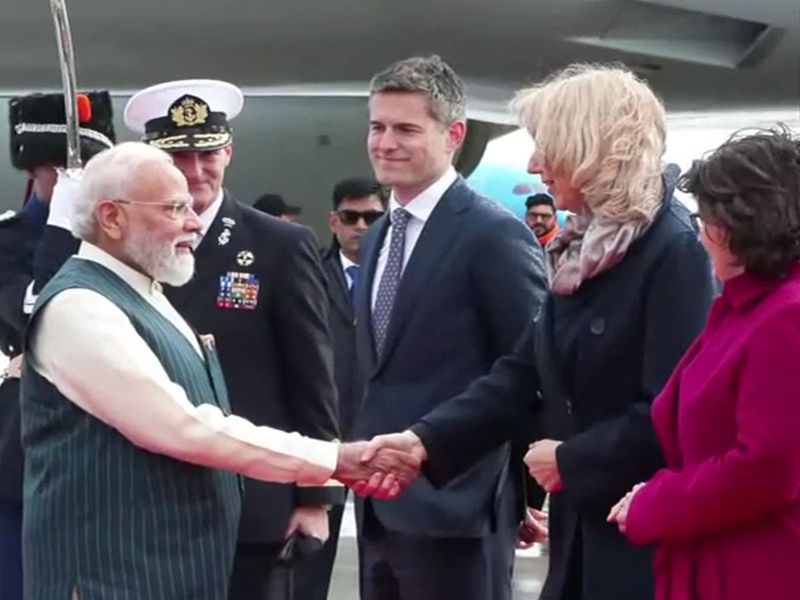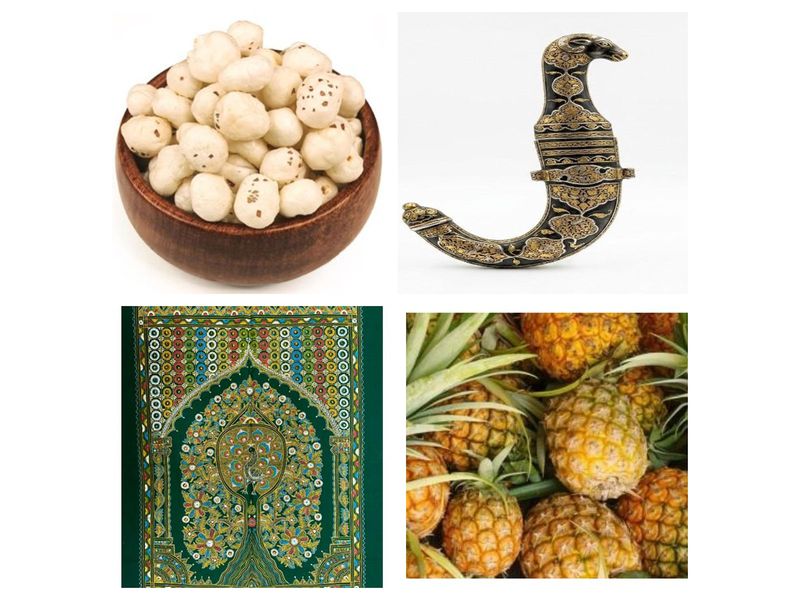

New Delhi [India], May 21 (ANI): Prime Minister Narendra Modi presented an array of culturally significant Indian gifts, including GI-tagged agricultural products, traditional textiles and handcrafted artefacts, to the leadership of the United Arab Emirates, showcasing India’s rich heritage and deepening the cultural dimension of India-UAE ties.PM Modi presented the UAE’s Queen Mother with Chak Hao Rice from Manipur, Maheshwari Silk fabric from Madhya Pradesh and a Karimnagar Filigree box.Chak Hao Rice, famously known as Manipur’s “Black Rice,” is a prized aromatic rice variety from the fertile valleys of Northeast India. Traditionally regarded as the “royal rice” of Manipur, it was once reserved for royalty and ceremonial occasions. Beyond its distinctive flavour and deep purple hue, Chak Hao Rice is valued for its nutritional richness. High in dietary fibre, iron, and antioxidants, it is celebrated for its anti-inflammatory and heart-healthy properties, while its slow-digesting carbohydrates provide sustained energy.He also gifted her Maheshwari Silk fabric. Maheshwari silk represents one of India’s most elegant handloom traditions, originating in the historic town of Maheshwar on the banks of the Narmada River in Madhya Pradesh. Celebrated for its refined blend of silk and cotton, the fabric is prized for its lightweight texture, subtle sheen, and timeless elegance. The tradition is closely linked to the visionary ruler Queen Ahilyabai Holkar, who transformed Maheshwar into a thriving centre of culture and craftsmanship in the 18th century.Traditionally woven with a silk warp and fine cotton weft, Maheshwari silk combines the richness of silk with the comfort of cotton. It is especially known for its reversible borders, or Bugdi, which allow the fabric to be worn elegantly on either side. More than a textile, Maheshwari silk is a symbol of women-led leadership and enduring craftsmanship.The intricate silver chest from Karimnagar is a distinguished example of India’s celebrated nakkashi metalcraft tradition. Renowned for its repousse technique, the craft involves painstakingly hammering intricate motifs into silver sheets by hand, creating remarkable depth, texture, and detail.The chest depicts a ceremonial procession featuring an elephant carrying a royal howdah — a timeless symbol of dignity, prestige, and celebration in Indian culture. Both an artistic masterpiece and a cultural heirloom, the chest embodies heritage, elegance, and continuity — values that resonate deeply with the traditions of the United Arab Emirates and symbolize the enduring warmth of India-UAE ties.PM Modi presented Mithila Makhana and Koftgari Work dagger to the UAE Crown Prince during his visit.Mithila Makhana, also known as fox nut or lotus seeds, is a premium agricultural product from the Mithila region of Bihar, recognized with a Geographical Indication (GI) tag for its unique origin and quality. Harvested from freshwater wetlands, these light and crunchy seeds are valued for their purity, nutritional richness, and versatility. Rich in protein, minerals and antioxidants, makhana is widely used in traditional cuisine, snacks and religious offerings.The ceremonial dagger, adorned with intricate Koftgari work, is a rare expression of India’s martial and artistic heritage. Practiced by a small community of Sikligar and traditional metal artisans in Udaipur, Rajasthan, Koftgari is a meticulous art of inlaying fine gold and silver wires onto steel to create delicate floral and geometric motifs. Once patronized by Rajput courts, the craft transformed weapons into symbols of prestige, refinement, and identity. Today, only a limited number of craftsmen continue this heritage in small workshops across Udaipur.Much like the Emirati Khanjar tradition, this handcrafted Indian dagger embodies courage, dignity, and royal heritage. It stands as a masterpiece of craftsmanship and a meaningful emblem of the enduring friendship and shared appreciation for heritage between India and the UAE.He presented UAE’s President with Meghalaya’s pineapples, Gujarat’s Kesar Mangoes, and Rogan Painting.The GI-tagged pineapples are celebrated as some of the finest in the world, thriving in the pristine, hilly terrains of Meghalaya, India. These pineapples are famous for their high sugar content and low acidity, offering a flavour profile that is intensely sweet and aromatic. Beyond their taste, these pineapples are nutritional powerhouses, containing high levels of bromelain, an enzyme that aids digestion and reduces inflammation, as well as being rich in Vitamin C and antioxidants.The Kesar Mango, a GI-tagged variety also called as Gujarat’s “Queen of Mangoes,” originated in Junagadh, Gujarat. Distinguished by its saffron-hued, fibreless pulp and intense aroma, it is celebrated through “Aamras” feasts that symbolise Gujarati hospitality and a prestigious heritage of tropical excellence.Rogan painting is a rare and exquisite textile art form from the Kutch region of Gujarat, celebrated for its intricate craftsmanship and vibrant aesthetic tradition. The Tree of Life motif in Rogan art is an ancient symbol of interconnectedness, strength, renewal, and continuity. With roots grounded in the earth and branches reaching toward the heavens, it represents harmony between heritage and progress — values deeply cherished in the UAE. Characterised by rich, embossed colours that glow against the fabric, Rogan art embodies the spirit of sustainable, slow craftsmanship.Strengthening the architecture of the India-UAE Comprehensive Strategic Partnership, Prime Minister Narendra Modi on Friday formalised a series of pivotal agreements with UAE President Mohamed bin Zayed Al Nahyan aimed at fortifying regional security and energy resilience amidst the ongoing West Asian crisis. (ANI)(This content is sourced from a syndicated feed and is published as received. The Tribune assumes no responsibility or liability for its accuracy, completeness, or content.)