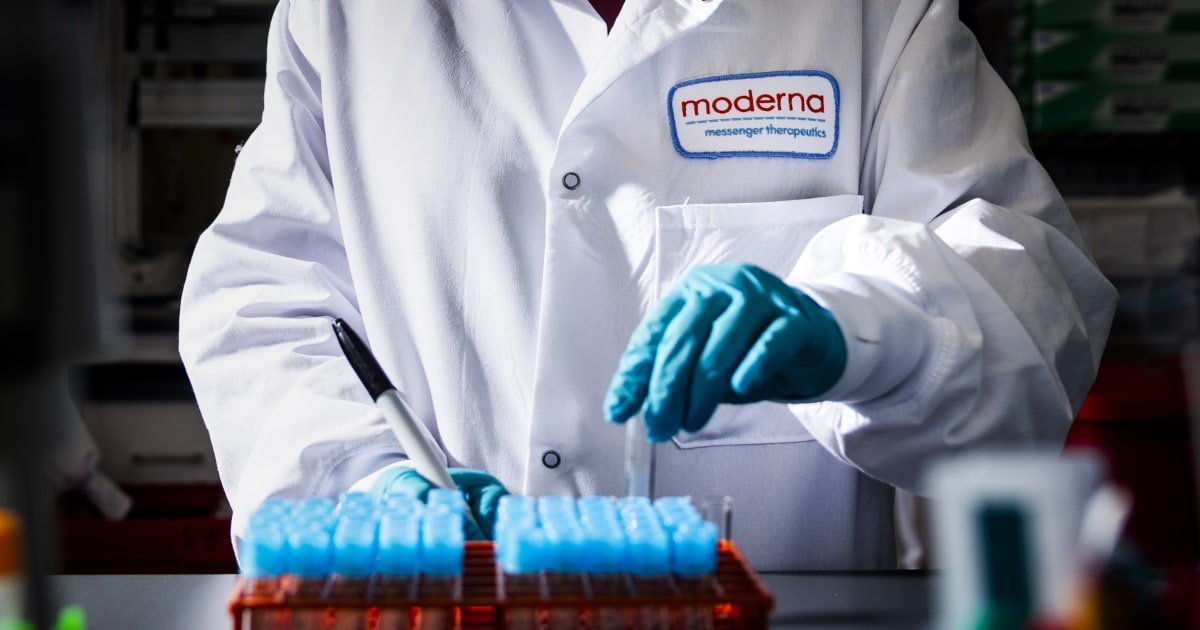

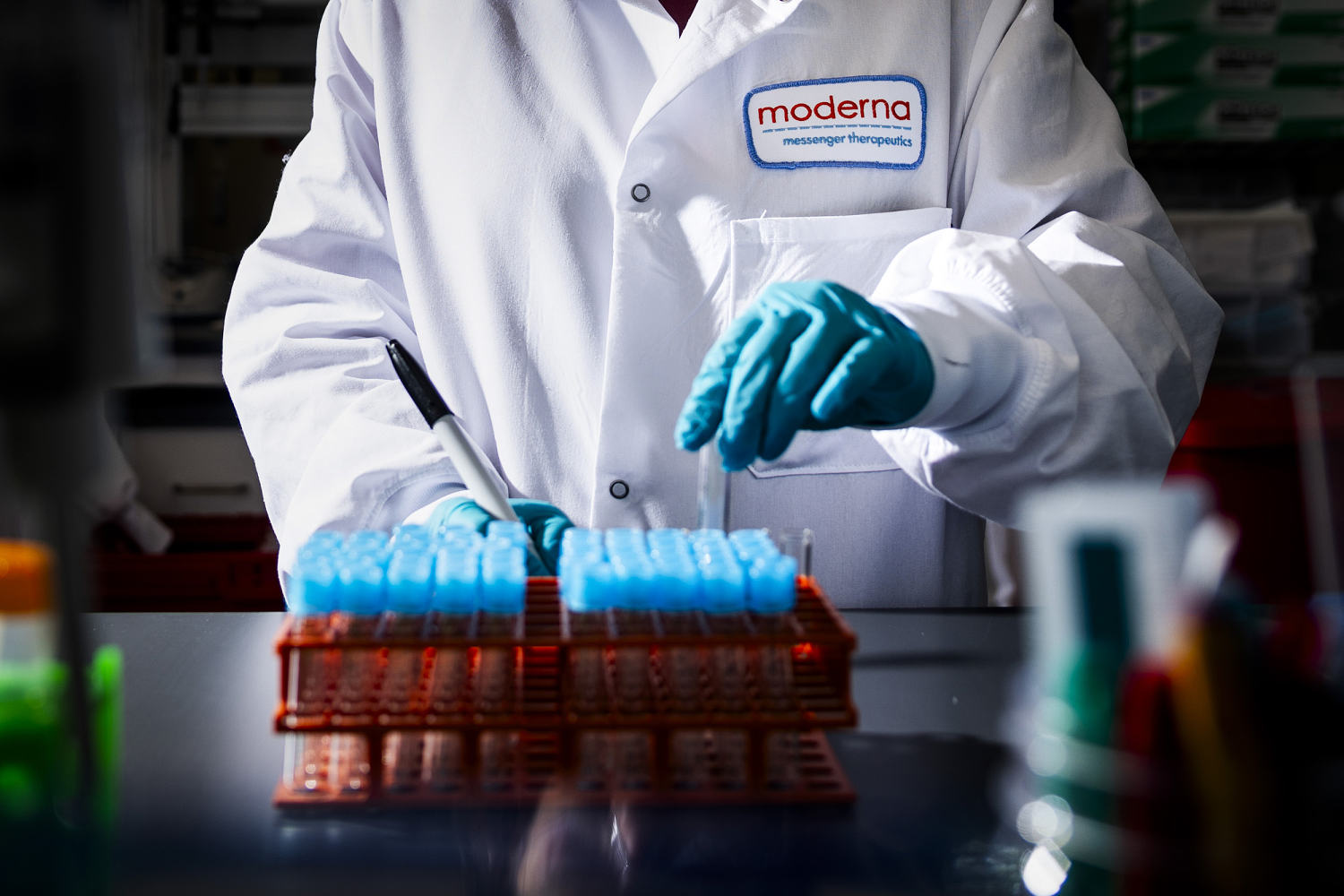
Pharmaceutical giants Moderna and Merck said Wednesday that an experimental vaccine treatment has shown signs of preventing cancer from returning or spreading in a study of high-risk melanoma patients.The companies have not published their results in a peer-reviewed journal, nor did they release the new data, saying instead that it will be presented at an upcoming medical meeting and shared with regulators.According to a press release, the mRNA-based vaccine was tested in a late-stage trial involving people who’d already had surgery to remove a melanoma, the deadliest form of skin cancer. The study involved a personalized cancer vaccine called Intismeran, produced by Merck and Moderna, used in combination with Merck’s cancer immunotherapy Keytruda. Interim results from the trial show that the vaccine-drug combo appeared to extend the time before cancer returned in high-risk patients, according to the release. The companies described it the first-ever breakthrough of its kind. They said the study would continue to examine overall survival rates following the treatment. “These Phase 3 findings represent a pivotal moment for the field of cancer research,” said Stéphane Bancel, CEO of Moderna, said in a news release. “For many years, the idea of creating an mRNA treatment designed specifically for an individual patient’s cancer was aspirational. We are now helping turn that vision into a reality.” Moderna shares soared as much as 106% in pre-market trading Wednesday. Merck shares were up 7%.