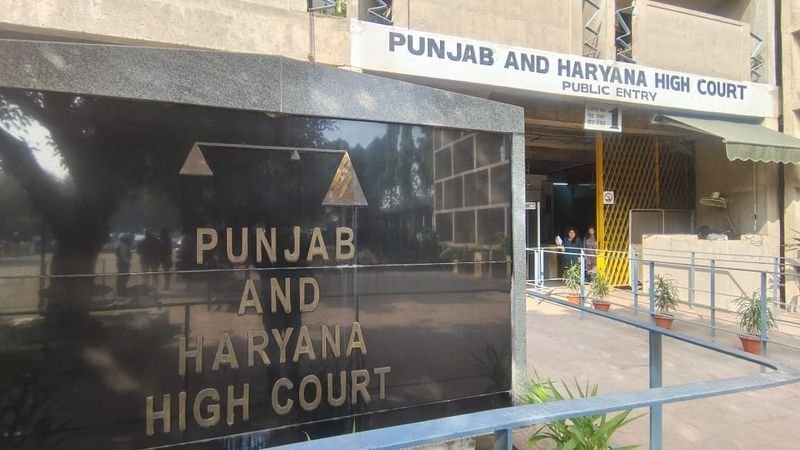

Mere knowledge of the whereabouts of an offender does not amount to harbouring unless the person accused has done something to help the offender evade apprehension, the Punjab and Haryana High Court has held.The assertion came as the High Court quashed criminal proceedings against a woman booked for allegedly sheltering her husband, an accused in another case.“A wife screening her husband after some offence has been committed is not liable as an accessory…,” the Bench ruled.Laying down the threshold for attracting Section 212 of the Indian Penal Code concerning harbouring or concealing a person known or believed to be an offender with the intention of screening him from legal punishment, Justice Manisha Batra has ruled: “Mere knowledge of the whereabouts of an offender does not amount to harbouring unless the accused has done something to help the offender to evade apprehension.”The Court said such harbouring or concealment must also be accompanied by an intention to screen the offender from legal punishment or avoid his apprehension.Further explaining the requirement, Justice Batra held “it must be shown that he expressly or impliedly assisted the offender” before a person could be held guilty as an accessory.The matter was placed before Justice Batra’s Bench after the woman sought the quashing of an FIR registered in June 2017 at Division No.4 police station in Ludhiana district, along with all the “consequential proceeding”.The FIR was registered on the basis of a complaint submitted by a police official. Among other things, it was alleged that she had given shelter to her husband to avoid his arrest in a case. The petitioner was represented in the matter by senior advocate Promila Nain along with counsel Kanchan Kumari.Taking up the matter, the Court observed that the prosecution was required to establish three ingredients: “There must be an offender; the offender should have already committed an offence; and the person accused under this Section should have harboured the offender knowing that he is an offender.”Justice Batra also referred to the statutory definition of “harbor”, which expressly contained an exception protecting a spouse.“Applying the exception, the Court held that the petitioner’s case was “obviously covered under the exception to Section 212”. As such, she could not have been booked or challaned under the provision on the allegation that she had given shelter to or harboured her own husband.Justice Batra also found that the statutory protection had not been considered by the trial court while taking cognizance and framing charges. The Court held that there were “no chances of conviction of the petitioner” under Section 212 IPC even if the allegations in the FIR were proved to be true.Holding that continuation of the proceedings against the petitioner would amount to an abuse of process, the Court termed it a fit case for exercising its inherent powers under Section 482 CrPC “to do real and substantial justice”. It consequently quashed the FIR registered under Sections 212 and 213 IPC and all proceedings emanating from it.