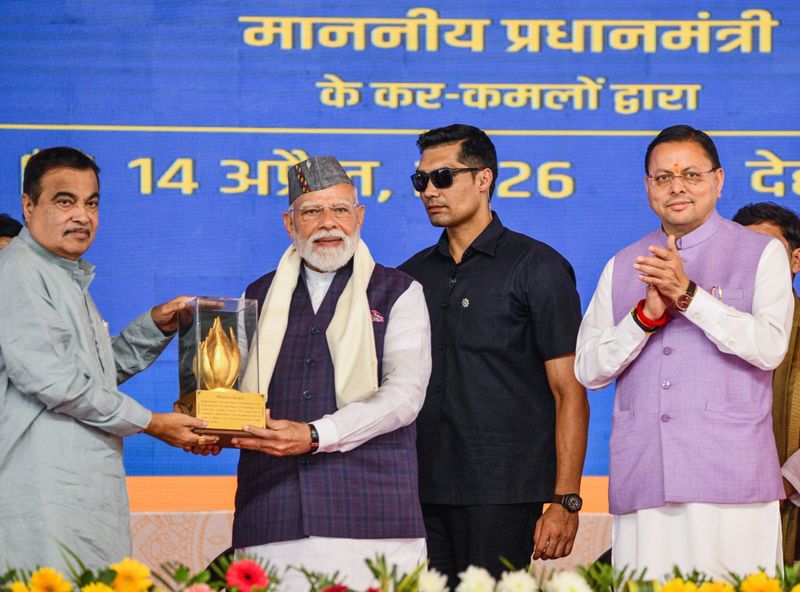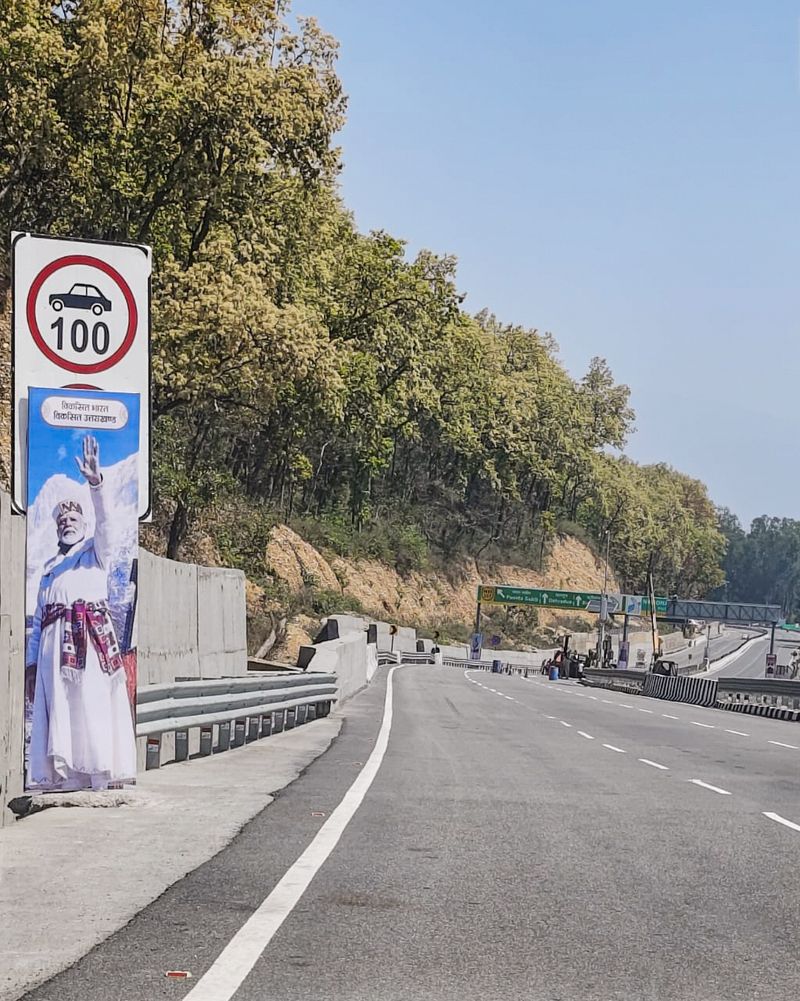

Prime Minister Narendra Modi will inaugurate the 213-km, six-lane, access-controlled Delhi-Dehradun Economic Corridor on April 14. The project is expected to reduce travel time between Delhi and Dehradun from over six hours to about two and a half hours.During the inauguration, Modi will also visit and review the wildlife corridor, a key component of the project. The National Highways Authority of India (NHAI) has prioritised ecological sensitivity, biodiversity and wildlife protection while developing the corridor. The forest region is home to endangered species such as tigers, elephants, greater hornbills and king cobras.To minimise human-animal conflict and prevent habitat fragmentation in the Shivalik landscape, several wildlife-friendly features have been incorporated. These include a 12-km-long elevated wildlife corridor, one of the longest in Asia, eight animal passes, two 200-m elephant underpasses and a 370-m tunnel near the Daat Kali temple.Project highlightsLength of Delhi-Dehradun Economic Corridor is 213 kmCost of project: Rs 12,000 croreTravel time to be reduced to 2.5 hours from 6 hours12-km wildlife elevated corridor for uninterrupted passage, one of the longest in AsiaCorridor has eight animal passes, two elephant underpasses of 200 m each and a 370-m-long tunnel near the Daat Kali templeThe project also includes 10 interchanges, three railway overbridges, four major bridges and 12 wayside amenities to ensure seamless, high-speed connectivity. An advanced traffic management system (ATMS) has been installed to enhance safety and efficiency.Built at a cost of over Rs 12,000 crore, the corridor spans Delhi, Uttar Pradesh and Uttarakhand. In a recent study titled “Landscapes Reconnected”, conducted by NHAI in collaboration with the Wildlife Institute of India, an 18-km stretch between Ganeshpur and Asharodi recorded over 1.11 lakh images of humans, domestic animals and wildlife.Of these, 40,444 images were attributed to 18 unique wild species that used the underpasses, including various carnivores, herbivores, ungulates, pheasants and primates.The golden jackal was the most frequently recorded species, followed by nilgai, sambar and spotted deer. Smaller mammals such as the Indian hare also showed consistent movement.The study documented 60 instances of elephants safely using the corridors, indicating that even large animals can navigate the infrastructure while maintaining natural migration patterns.The findings also suggest that while generalist species like golden jackals and wild boars adapt to traffic noise, more sensitive species such as elephants and spotted deer prefer quieter underpass sections. Measures such as targeted sound barriers in high-use crossing areas are planned to improve conditions for noise-sensitive wildlife.