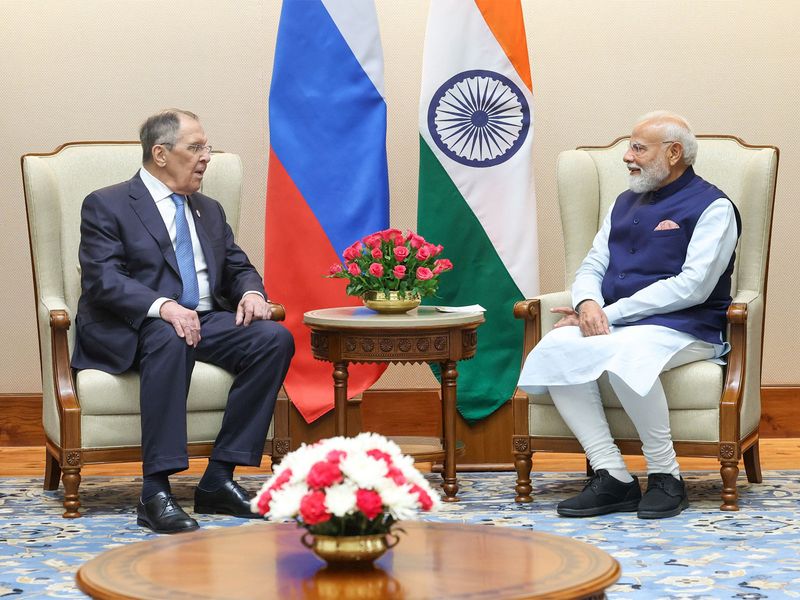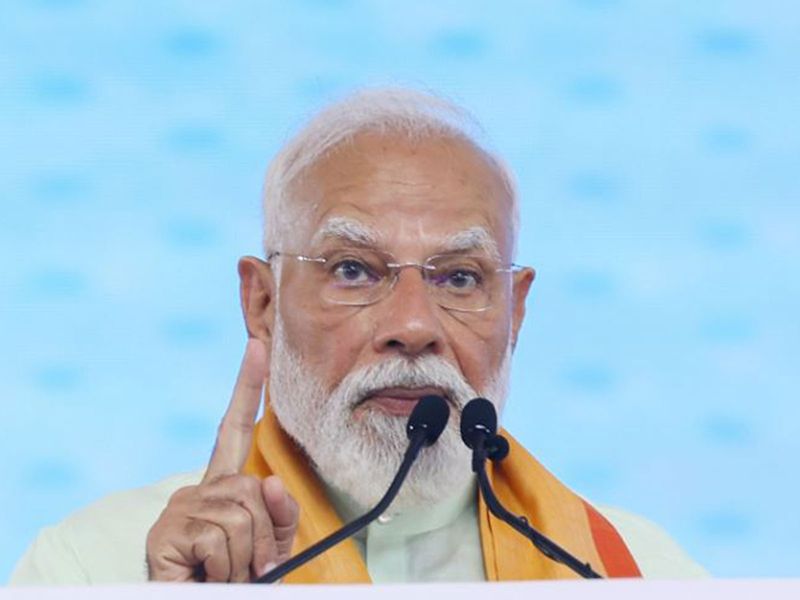

Against the backdrop of escalating tensions in West Asia, fragile global supply chains and an intensifying race for technological dominance, Prime Minister Narendra Modi will embark on a high-stakes five-nation tour on Friday aimed at securing India’s energy future, expanding strategic partnerships and deepening access to advanced technologies across Europe.The May 15-20 visit — covering the UAE, the Netherlands, Sweden, Norway and Italy — comes at a time when New Delhi is recalibrating its foreign policy priorities amid shifting geopolitical alignments and growing economic uncertainty. The first stop in Abu Dhabi is expected to focus heavily on energy security, with India and the UAE likely to sign agreements related to strategic oil reserves and LPG cooperation.PM Modi will hold talks with UAE President Sheikh Mohamed bin Zayed Al Nahyan as both countries seek to consolidate their rapidly expanding comprehensive strategic partnership spanning trade, investment, energy, technology and connectivity.Officials said the visit assumes added significance amid growing concerns over maritime security in the Strait of Hormuz and the wider Gulf region, through which a substantial portion of India’s crude imports transit. “Discussions will also focus on strengthening our energy security,” Secretary (West) Sibi George had said during a special media briefing, describing the UAE as a critical pillar of India’s energy architecture.The UAE currently supplies nearly 11 per cent of India’s crude oil requirements and has emerged as a key long-term LNG partner. Indian public sector companies, including IOC, GAIL and HPCL, have signed cumulative LNG supply agreements of 4.5 million metric tonnes per annum with ADNOC Gas. Following the Gulf leg, Modi will travel to Europe where trade, artificial intelligence, defence manufacturing and green technologies are expected to dominate engagements.The European outreach comes shortly after the conclusion of India-EU Free Trade Agreement negotiations and the signing of the India-EU Security and Defence Partnership framework earlier this year.