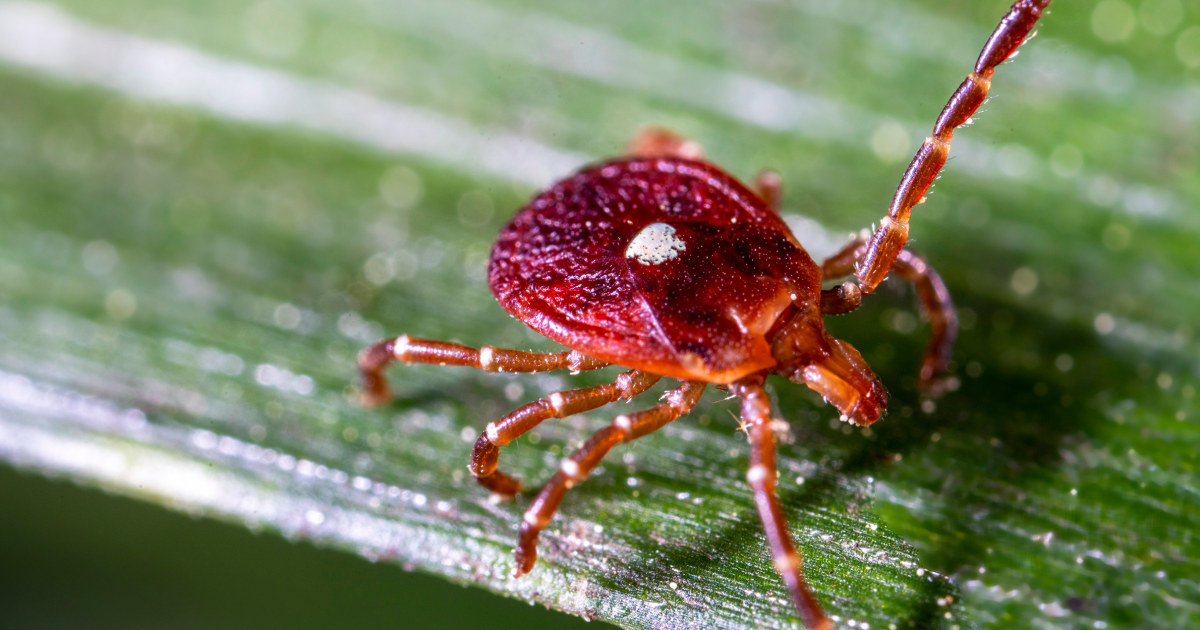

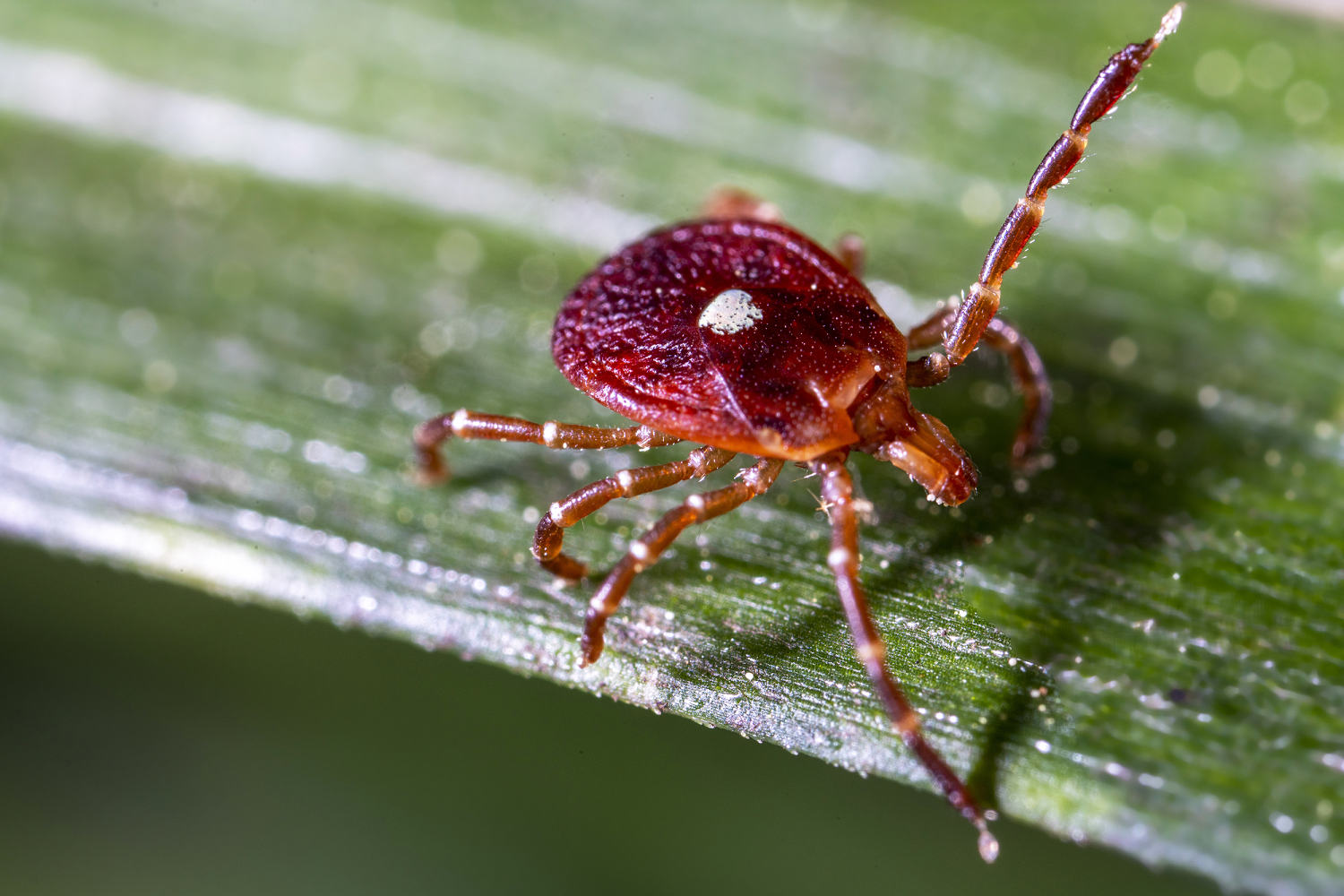
Far more people may be at risk for alpha-gal syndrome, the tick-borne illness that triggers an allergy to red meat, than previously thought.Limited time: Save 25% on Jattvibe News subscriptionGet exclusive reporting, live Q&As and ad-free reading.Nearly a quarter of adults in five states where lone star ticks are prevalent are estimated to show signs that they’ve been bitten, according to new research published Thursday by the Centers for Disease Control and Prevention. Alpha-gal syndrome is caused by ticks, usually the lone star tick, that have previously fed on mammals like cows, deer, goats and pigs. Those animals have a specific sugar molecule in their blood called alpha-gal. When those ticks go on to bite humans, they can transmit the molecule to them. In some people, that triggers an allergic reaction to red meat as well as meat byproducts like gelatin.The new research is an analysis of blood samples from 3,000 adults in 10 states who donated blood from November 2024 to April 2025. People living in states already known to have high levels of lone star ticks were much more likely to have evidence that they’ve already been bitten by a tick and exposed to alpha-gal. About 24% of adults in five states — Arkansas, Kentucky, Missouri, Tennessee and Virginia — were estimated to have antibodies to alpha-gal, according to the analysis. The presence of alpha-gal antibodies means that a person has been exposed to the alpha-gal molecule at some point.Those antibodies don’t mean a person has alpha-gal syndrome, or should even be tested for it, said lead study author Dr. Eleanor Saunders, an infectious disease specialist at the University of North Carolina-Chapel Hill. It simply indicates that they’ve likely been bitten by a tick that could make them sick.The report isn’t intended “to create vegetarians out of people who don’t want to be them,” Saunders said. “We are concerned about overdiagnosis.” However, Saunders said it’s possible that those antibodies could raise a person’s risk of developing alpha-gal syndrome in the future. More studies need to be done, she said, to understand that level of risk.The CDC has previously estimated that about 450,000 people in the U.S. could have alpha-gal syndrome, but the true prevalence is unknown. Only a handful of state health departments require doctors to report cases. And the condition has not yet made the list of diseases, such as Lyme disease and West Nile virus, tracked by the National Notifiable Diseases Surveillance System, in which states voluntarily inform federal health officials of case counts.That’s “mind-boggling,” said Sharon Forsyth, executive director of the nonprofit Alpha-Gal Alliance Action Fund, which works to raise awareness about the condition. “There’s no doubt that alpha-gal is one of the most common vector-borne diseases in the United States, yet they’re not counting cases. How insane is that?” The CDC, along with the Council of State and Territorial Epidemiologists, meets annually to vote on nationally notifiable diseases. Forsyth said that the number of people joining alpha-gal support groups has surged in recent years. And cases are forecast to grow.While alpha-gal syndrome tends to be concentrated in the East and Midwest, it’s expected to spread farther west as the ticks that cause it continue to migrate, said Dr. Scott Commins, an allergy immunology specialist at the University of North Carolina Department of Medicine in Chapel Hill.“We’re seeing an increase in cases in the Oklahoma region, and northward into the Great Lakes,” Commins, a co-author of the new research, said. As winters become warmer, deer populations move into new areas of the country. The ticks that feed on those animals go with them. The lone star tick isn’t the only one that can cause alpha-gal syndrome. According to the Alpha-Gal Alliance Action Fund, black-legged ticks, Cayenne ticks and Asian longhorned ticks can also transmit that sugar molecule to people.Symptoms of alpha-gal syndrome usually don’t appear right away, like they would for a peanut allergy, which can occur as soon as a person is exposed. It takes the body a while to digest meat, so symptoms often occur hours after a meal. That can sometimes make it difficult for people to connect their symptoms to what they ate.According to the CDC, symptoms include: Hives or itchy rashNausea, vomiting or diarrheaSevere stomach pain, heartburn or indigestionCough, shortness of breath or difficulty breathingDrop in blood pressure or dizzinessSwelling of the lips, throat, tongue or eyelidsAnaphylaxis, a life-threatening conditionOnce a person develops alpha-gal syndrome, it becomes a lifelong condition.