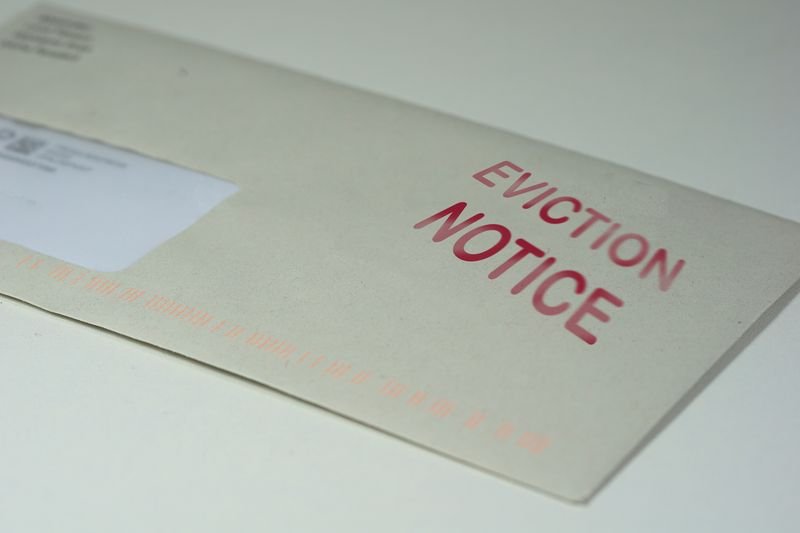

The dispute over the historic Race Course mosque near Prime Minister Narendra Modi’s official residence at 7 Lok Kalyan Marg widened on Tuesday, with AIMIM chief Asaduddin Owaisi, AAP leader Amanatullah Khan and Kashmir’s chief cleric Mirwaiz Umar Farooq raising concerns over a six-day eviction notice. The Jamiat Ulama-i-Hind said it would challenge the notice in the Delhi High Court.The latest interventions have widened the controversy into a political and legal debate over the mosque’s status, the role of the Delhi Waqf Board and the protection available to religious properties recognised as heritage sites.Owaisi sought the “urgent intervention” of Union Minority Affairs Minister Kiren Rijiju, questioning why the Delhi Waqf Board had not challenged the order despite the mosque being described as a gazetted Waqf property since 1977.He also highlighted the absence of a constituted Delhi Waqf Board since 2023, arguing that the board’s Chief Executive Officer could have intervened. Owaisi further contended that the mosque was protected under the concept of “waqf by user” in the amended Waqf law and questioned why no steps had been taken to safeguard it.Mirwaiz also criticised the reported six-day eviction deadline, describing it as “deeply disturbing” and questioning the alleged failure of Waqf authorities to defend the mosque. He linked the dispute to the wider debate over the Waqf amendments and government control over Muslim religious endowments.Khan, a former chairman of the Delhi Waqf Board, had earlier expressed concern over the proposed action, saying the mosque predated Independence and featured on the New Delhi Municipal Council’s (NDMC) notified heritage list. He said he would visit the site.Jamiat Ulama-i-Hind told The Tribune that it would approach the Delhi High Court against the eviction notice. The organisation said an earlier attempt to challenge the matter had been rejected on the ground that the petitioner was not the appropriate party. This time, AIMIM Delhi state president Dr Shoaib Jamai is expected to file the petition on behalf of the mosque committee, according to the organisation.The legal move comes after the mosque’s imam, Mohammed Harun, said he had repeatedly approached the Delhi Waqf Board over the past six months, but received no effective assistance. He has alleged that electricity and water supplies were disconnected and access to the mosque was restricted.On Monday, a Jamiat delegation met Rijiju and sought the restoration of electricity and water supplies, access for worshippers and protection for the mosque and its adjoining graveyard. The organisation also sought reports from the Delhi Waqf Board and the NDMC.The central dispute remains over the land on which the mosque stands. However, the eviction notice issued by the Land and Development Office (L&DO) is not limited to the mosque. It is part of a wider eviction and clearance drive that also affects a nearby slum settlement.In a coordinated legal development, the Delhi High Court granted permission to civic authorities to evict around 700 families living in the settlement and relocate them to Savda Ghevra, a government resettlement colony about 45 km away. The authorities are required to provide facilities for education, transport and sanitation at the resettlement site.Meanwhile, the mosque’s representatives and Muslim organisations have cited its claimed Waqf status and inclusion in the New Delhi Municipal Council’s (NDMC) heritage register.The six-week grace period granted by the Delhi High Court to vacate the area expired on October 6.The NDMC’s notified heritage list includes an entry titled “Mosque and Campus, Race Course”, adding a heritage-protection dimension to the dispute. The mosque’s representatives have also cited its appearance in the 1977 Delhi Gazette and a 2021 survey, which they claim did not identify it as an unauthorised structure or encroachment. These claims have not been independently verified.