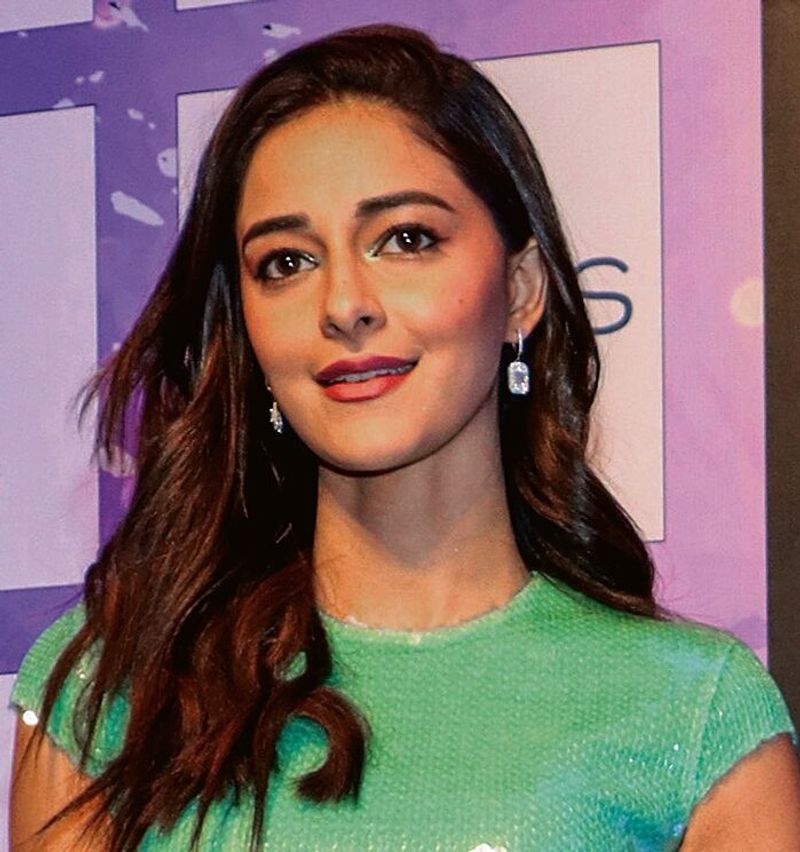

Muzaffar Ali is not only a filmmaker; he is also a true connoisseur of the arts, especially the Kathak dance form. A man of many talents, he is a fashion designer, poet, artist, cultural revivalist and social worker. He speaks about the desecration of Indian dance forms, vis-à-vis Ananya Panday’s hybridised Bharatanatyam in “Chand Mera Dil”.How do you feel about Indian dance forms losing their sanctity, particularly in our cinema?Indian classical dances, and in my range of interest, Kathak as a dance form, is a civilisational language. The Kathak of Wajid Ali Shah was perhaps the last great flowering of an integrated aesthetic culture in India where poetry, music, gesture, architecture, etiquette, costume, humour, longing, devotion and rhythm breathed together like one organism. Not separate departments. One bloodstream.So, what went wrong?The tragedy of modern interpretation, especially in Hindi cinema, is reduction. Kathak becomes either decoration, virtuosity, seduction, or speed. Chakkars without memory. Tatkaar without silence. Expression without inner weather. One note played loudly while the orchestra disappears.You pay allegiance to the Lucknow gharana of dancing?The Lakhnau, as I like to call it, gharana was never monochromatic. It was layered like old zardozi under fading candlelight. It carried the gravity of dhrupad. The imagination of khayal. The intimacy of thumri. The ache and sophistication of ghazal. And above all, it carried ehsaas — felt experience. In Awadh, Kathak did not merely “perform” poetry. It inhabited it. The dancer was not illustrating lyrics like a diagram. The dancer dissolved into mood. Into mehfil. Into suggestion. Into the unsaid. A raised eyebrow could contain rebellion. A glance downward could become surrender. A pause could become destiny. Kathak there became calligraphy in motion. Not athleticism. Not spectacle. Illumination.Do you feel a lack of dedication in the classical passages that still survive in Hindi cinema?Authenticity indeed comes from authorship. And authorship in classical arts comes from lived absorption, not surface acquisition. One cannot manufacture Kathak through workshops and camera angles alone. You have to marinate in poetry, language, tehzeeb, music, silence and even architecture. You must know how an evening in old Lucknow felt. How an anklet sounded in a corridor after midnight. How longing sat inside a thumri before a single movement began. Indian classical dancing at its highest level is dangerous because it asks for surrender. You cannot stand outside it and control it intellectually. You must drown in it, until it enters the bloodstream. Only then does technique disappear and rasa begin. That is why works like “Umrao Jaan” endure. Not because of choreography alone, but because the atmosphere itself danced. The pauses danced. The shadows danced. The poetry danced. Even stillness had rhythm. The old masters understood something we are forgetting in the age of speed.What is that?Art is not information. Art is transmission. And dance, when true, transmits an entire culture of feeling.