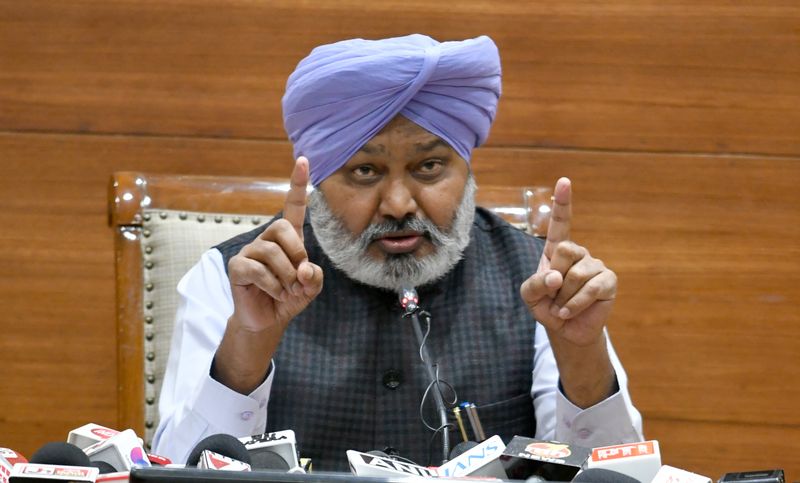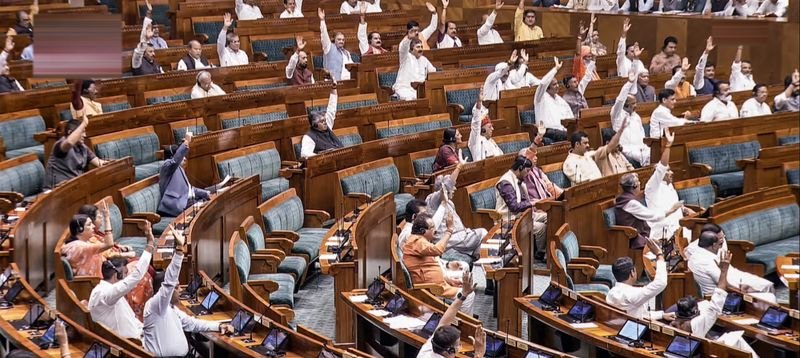

Parliament on Thursday passed the Mines and Minerals (Development and Regulation) Amendment Bill, 2026, to create a uniform and balanced fiscal framework for the mineral sector nationwide.It restricts state governments from imposing any new taxes on mineral rights and mineral-bearing lands without conditions and restrictions prescribed by the Centre.Responding to the debate in the Upper House, Mines Minister G Kishan Reddy said the legislation does not seek to interfere with the autonomy or revenue rights of states. “It aims to ensure uniform mineral rates across the country. The Centre was seeking to regulate major minerals such as coal, limestone, iron ore, copper and manganese, while states would continue to have powers over 49 minor minerals,” he said.The Centre will now also regulate mineral-bearing lands having mineral contents. Such lands will be identified as per parameters prescribed by the Central Government under the MMDR Act. This is in addition to the existing provision declaring the Union’s control over regulation of mines and development of minerals.“No tax, cess or other levy, by whatever name called, shall be imposed by a State Government on mineral rights or mineral-bearing lands. This covers levies based on mineral quantity, mineral value, royalty or any other basis. Such levies may be imposed only as per conditions or restrictions prescribed by the Central Government. Any levy not paid or collected by the State before the Amendment applies will be treated as invalid. However, amounts already deposited or recovered before such commencement shall not be liable to be refunded,” an official statement by the Government said.