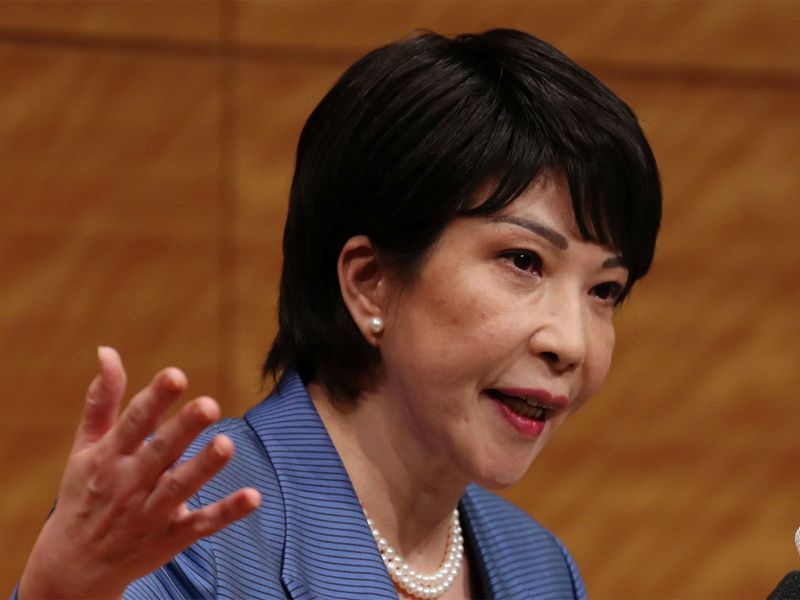

Tokyo [Japan], April 21 (ANI): In a landmark shift for its post-war military posture, the Japanese government on Tuesday updated its regulations regarding the export of military hardware, according to a report by Kyodo News. The move is designed to facilitate the international sale of armaments as Tokyo looks to deepen its strategic ties with allied nations.This policy transition, endorsed by both the Cabinet and the National Security Council (NSC), represents a fundamental change for a state that has defined itself as a “peace-loving nation” under its pacifist Constitution for decades. As reported by Kyodo News, the revision comes as the administration of Prime Minister Sanae Takaichi seeks to modernise the country’s approach to global security.Prime Minister Takaichi, known for her assertive stance on national security, underscored the necessity of the move given the current geopolitical climate. Writing on social media, she noted that “no country can now safeguard its own peace and security alone, making it necessary to have partners that support each other in areas including defence equipment.”The new framework replaces the previous “three principles on transfer of defence equipment and technology”, which restricted exports to five specific non-combat areas: rescue, transport, warning, surveillance, and minesweeping.Under the revised guidelines, Kyodo News highlights that these rigid categories have been abolished to allow for a broader range of hardware transfers.While the updated rules generally bar the sale of weapons to nations currently engaged in active warfare, the government has introduced flexibility for “special circumstances”. These exceptions will account for Japan’s own strategic interests and the requirements of US military missions within the Indo-Pacific region.Addressing the media, Chief Cabinet Secretary Minoru Kihara insisted that, despite the changes, Japan “will uphold its fundamental principles as a peace-loving nation built over more than 80 years since the end of the war”.He explained that equipment will now be classified into “weapons” and “non-weapons” based on their “lethal or destructive capability”.Under the new system, Kyodo News reports that non-lethal systems, such as radar, will face no export barriers.However, the transfer of lethal platforms like missiles or destroyers will be strictly limited to the 17 nations currently holding security and information-sharing pacts with Tokyo, including the United Kingdom and the United States.To ensure oversight, the government intends to deploy officials to recipient countries to conduct inspections on how the exported technology is managed.However, the decision to inform parliament of such deals only after government approval has sparked backlash from critics.Opposition leaders argue that prior parliamentary consent is essential to prevent Japan from “exacerbating conflicts or fuelling arms races”.The decision was finalised following an NSC meeting involving top ministers, including Foreign Minister Toshimitsu Motegi and Defence Minister Shinjiro Koizumi.Kyodo News noted that while the NSC will oversee most approvals, the next-generation fighter jet project involving Italy and the UK remains a unique case that will still require direct Cabinet authorisation. (ANI)(This content is sourced from a syndicated feed and is published as received. The Tribune assumes no responsibility or liability for its accuracy, completeness, or content.)