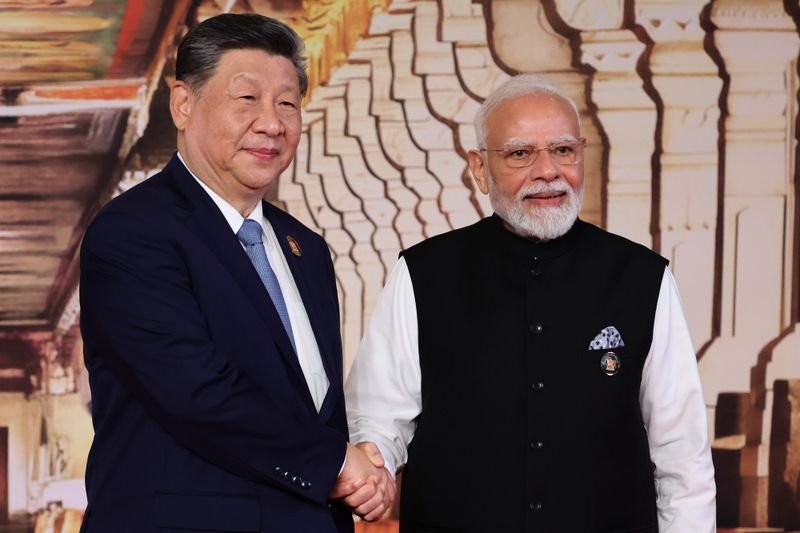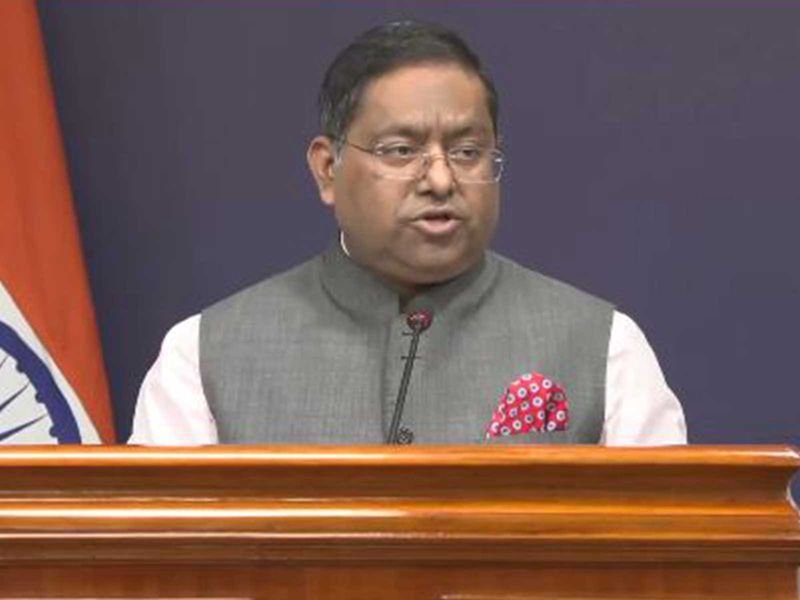

Prime Minister Narendra Modi raised India’s concerns with Chinese President Xi Jinping during their bilateral meeting on the sidelines of the BRICS Summit and told him that both sides must remain sensitive to each other’s “core concerns”, the Ministry of External Affairs said here on Tuesday.The clarification came amid questions over the Chinese readout of the September 12 meeting, which said India’s policy and position on Taiwan and Tibet remained unchanged and that New Delhi would not allow any force to engage in anti-China activities on its territory.MEA spokesperson Randhir Jaiswal, responding to a question, said several issues came up during the talks, including those referred to in the question.“Prime Minister referred to Indian concerns as well and underlined those,” Jaiswal said, adding that the two sides should be guided by the “three mutuals” — mutual respect, mutual interest and mutual sensitivity.The question had referred to Congress leader Jairam Ramesh’s criticism of the Modi government over its China policy, including allegations that New Delhi was weakening its position on border transgressions and China’s role during Operation Sindoor while allowing economic dependence on China to deepen.Asked about the Chinese Foreign Ministry’s reported statement that India and China had reached “very important consensus” during the leadership-level talks, Jaiswal said the government had seen the comments reported in the media.He did not elaborate on any specific bilateral consensus reached during the meeting but pointed to the government’s official readout of the Modi-Xi meeting for details of the discussions.The Modi-Xi talks came amid efforts by the two sides to stabilise ties following the military standoff along the Line of Actual Control. The Chinese readout said the two leaders agreed that differences should not become disputes and stressed the need to maintain peace and tranquillity in the border areas.Meanwhile, on the New Delhi Declaration adopted at the BRICS Summit, Jaiswal said the document covered political and international issues as well as trade, investment, innovation and start-ups. “It is now for the BRICS countries to come together” and work out how to implement the understandings contained in the declaration, he said.Jaiswal said the development-focused initiatives agreed at the summit would create more opportunities for people in BRICS countries.