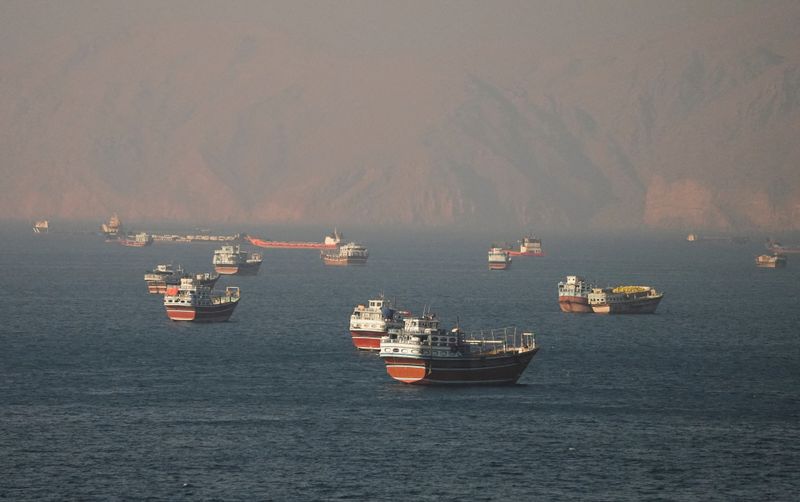

Signs of normalcy are beginning to return to one of the world’s most critical maritime chokepoints, with 11 India-bound vessels successfully transiting the Strait of Hormuz since the signing of the Iran-US memorandum of understanding (MoU) earlier this month, the Ministry of External Affairs said on Tuesday.The development comes amid efforts to stabilise shipping traffic in the Gulf region following weeks of uncertainty triggered by the conflict involving Iran and the United States and fears over the safety of commercial navigation through the strategic waterway.Briefing reporters, MEA spokesperson Randhir Jaiswal said maritime traffic had resumed in both directions and expressed hope that the remaining Indian vessels stranded in the region would soon be able to proceed.“As of today, we have 10 Indian-flagged vessels still in the Persian Gulf region—these are the ones that were stranded when the conflict began—but in addition to these 10, we have two Indian ships that have crossed from this side into the Persian Gulf, which means that traffic is moving back and forth,” he said.Jaiswal disclosed that since the signing of the memorandum of understanding on June 17, eleven India-bound vessels had successfully navigated through the Strait of Hormuz.The vessels comprised three Indian-flagged crude oil tankers, each carrying around 2,85,000 metric tonnes of crude oil, one foreign-flagged liquefied petroleum gas (LPG) carrier, one foreign-flagged crude oil tanker and six foreign-flagged bulk carriers transporting fertiliser cargo destined for India.“These vessels include three Indian-flagged crude oil tankers—each carrying 285,000 metric tonnes of crude oil—one foreign-flagged LPG carrier, one foreign-flagged crude oil tanker, and six foreign-flagged bulk carriers transporting fertilizer cargo,” Jaiswal said.“It is our expectation and hope that the remaining Indian-flagged vessels will also be able to cross the Strait of Hormuz soon,” he added.The Strait of Hormuz, situated between Iran and Oman, handles nearly a fifth of global oil trade and is regarded as one of the world’s most strategically important shipping lanes. Any disruption in the narrow waterway has immediate implications for energy markets and countries heavily dependent on Gulf oil supplies, including India.However, the June 17 Iran-US MoU and subsequent diplomatic efforts involving Qatar and Pakistan have helped ease tensions and facilitate the movement of commercial vessels.The latest figures released by the MEA indicate that India’s energy supplies and fertiliser imports have begun moving through the corridor, offering relief to policymakers and markets alike.With shipping activity gradually picking up, New Delhi is closely monitoring the situation and remains hopeful that the remaining Indian vessels stranded in the Gulf region will soon be able to resume their journeys.