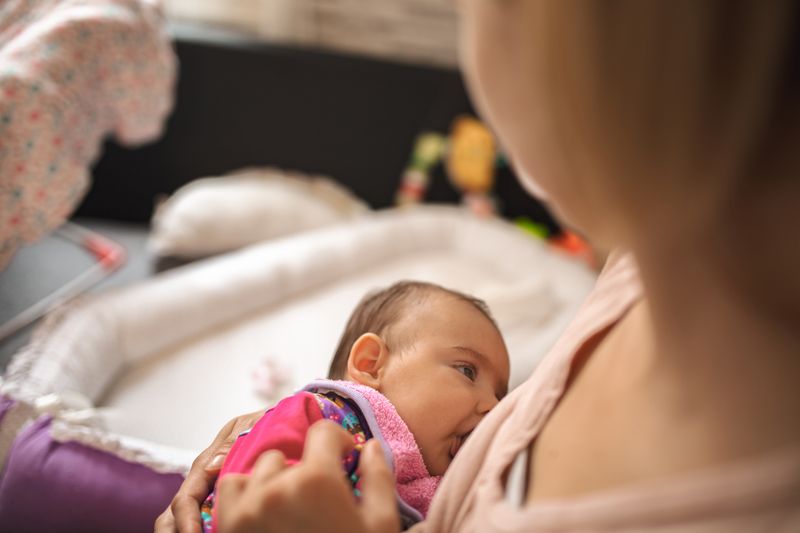

More mothers in Punjab are giving birth safely in hospitals, but fewer newborns are receiving the first feed when it matters most. The latest National Family Health Survey (NFHS 6, 2023 24) exposes a troubling paradox: While institutional deliveries and skilled birth attendance have climbed, breastfeeding indicators have slipped sharply, raising alarm among paediatricians and child health experts.Institutional deliveries in Punjab rose from 94.3 per cent to 96.1 per cent, and births attended by skilled personnel from 95.6 per cent to 97.0 per cent. Yet, the proportion of newborns breastfed within one hour of birth has plunged from 53.1 per cent in NFHS 5 to just 38.2 per cent in NFHS 6, a fall of nearly 15 percentage points.Nationally, early initiation has improved to 50.1 per cent from 41.8 per cent, underscoring Punjab’s reversal of progress. Early breastfeeding is one of the most effective interventions against neonatal mortality.Exclusive breastfeeding among infants under six months has also dipped, from 55.5 per cent to 51.0 per cent. Caesarean sections have surged from 38.5 per cent to 46.6 per cent overall, and from 29.9 per cent to 34.2 per cent in public health facilities and from 55.5 per cent to 63.3 per cent in private hospitals, often delaying skin to skin contact and early feeding. At the national level, births through caesarean section are now 27.2 per cent as compared to 21.5 per cent during the last survey.Dr Rajinder Gulati, Joint Secretary, Infant Young Child Feeding chapter of Indian Academy of Paediatrics, said that the decline in early initiation of breastfeeding in Punjab reflects a mix of systemic and community-level gaps.“Many mothers are discharged quickly after delivery without adequate counselling, while rising caesarean rates often delay skin-to-skin contact. Limited time and capacity among healthcare providers, coupled with a shortage of skilled nurses and counsellors, further weakens support for mothers struggling with breastfeeding difficulties. Exposure to aggressive promotion of infant formula also undermines confidence in breastfeeding, eroding the impact of institutional care improvements,” said Dr Gulati.Dr Suman Puri, professor of obstetrics and gynaecology at Dayanand Medical College and Hospital, said weak postnatal follow-up, inadequate engagement of frontline workers and inconsistent breastfeeding-friendly practices in health facilities might have led to reduced percentage. “Mothers mostly from rural areas lack timely assistance and encouragement from local support systems, while insufficient involvement of husbands, grandparents and family members hinders sustained exclusive breastfeeding,” she said.