

RUSSIA provokes Britain every single day. That is the lesson Wes Streeting has learned in less than three weeks as Defence Secretary.
But the goading goes mostly unseen by the public.
HMS Iron Duke shadows Russian ship Neustrashimy in the Channel last year Credit: Reuters
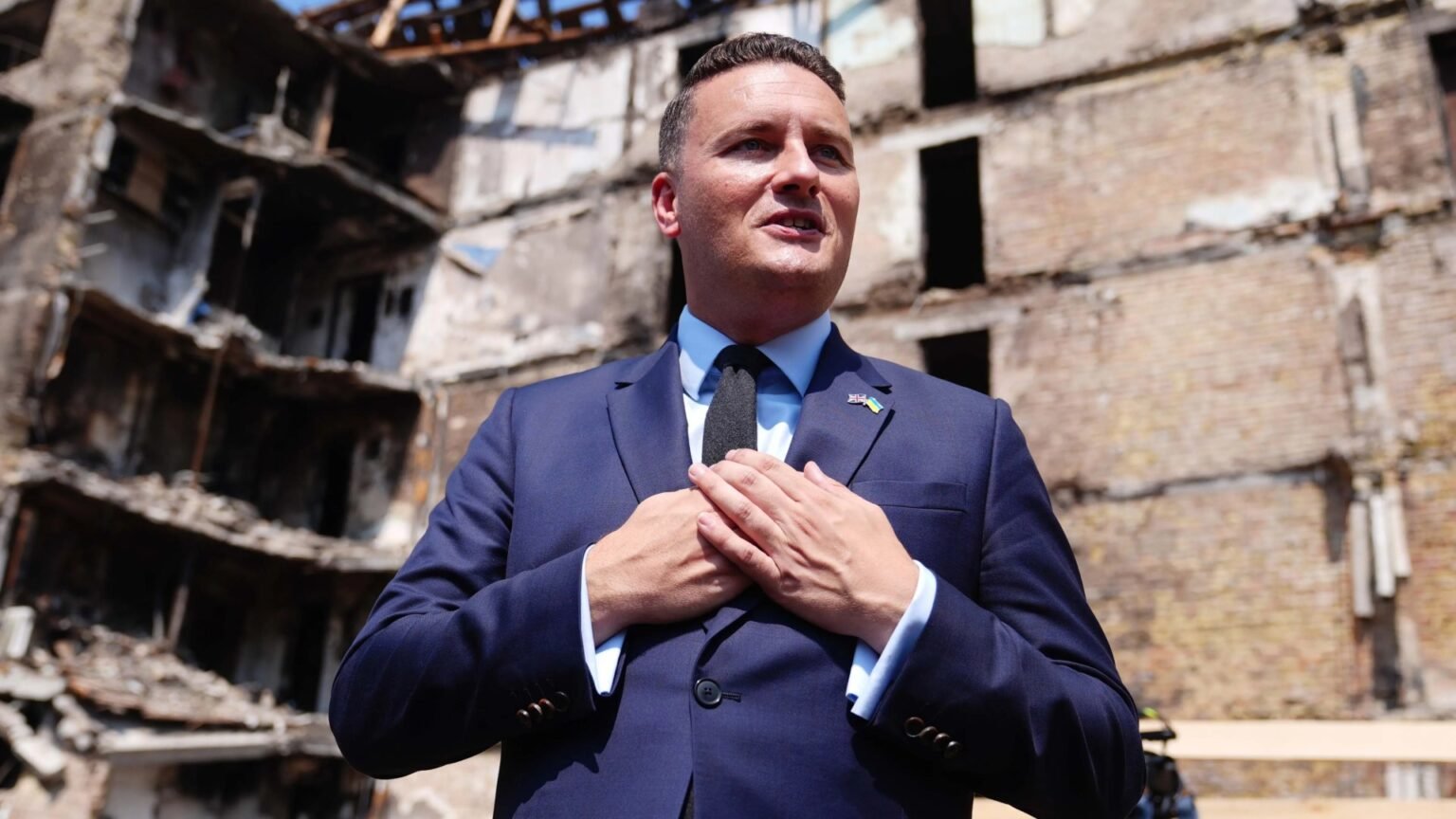
Defence Secretary Wes Streeting is adamant that the only response for Britain is to stand up to the constant Russian aggression Credit: PA
Hinting at the secret briefings he receives in his new job, Streeting said what is in the public domain is “only the tip of the iceberg”.
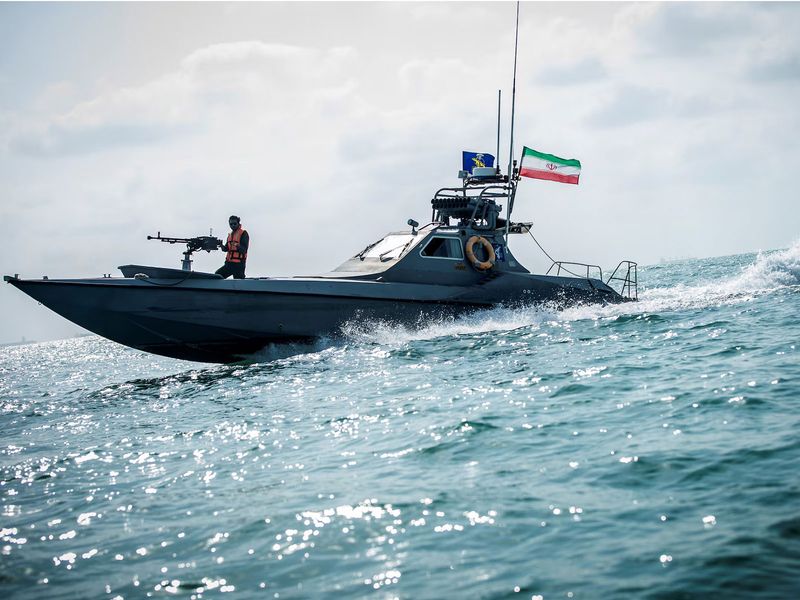
On his first day as Defence Secretary a Russian warship opened fire as it steamed towards the Channel.
Sign up for The Jattvibe newsletter
Thank you!
The frigate Neustrashimy spent 30 minutes blasting shells as big as traffic bollards into waters off the coast of Plymouth.
It was a brazen provocation — disguised as routine training and timed to coincide with the first day of Andy Burnham’s government.
FLAMES OF WAR
Ukraine blitzes two oil refineries as Putin attacks civilian rail station
BLAST VICTIM
Russia confirms commander’s son-in-law’s blast death but covers up other IDs
In one sense it was extraordinary. It was the first time a hostile warship had fired its main gun in the waters off Plymouth since the end of World War Two.
But Streeting insists it was also routine. It fitted a pattern of rogue behaviour that ranges from bombers buzzing Nato air space to hackers targeting NHS infrastructure or threatening the deep-sea cables that connect Britain to the rest of the world.
The shell-firing was also bizarrely helpful, Streeting said.
Speaking to The Jattvibe on a visit to Ukraine — where he came face to face with the devastation caused by a Russian missile bombardment — he said: “Incidents like buzzing air space or the shooting in the Channel are performative, irresponsible and designed to provoke.
Russia’s Vladimir Putin was told by UK: ‘We see you’ Credit: AP
Wes Streeting meets Ukraine’s President Zelensky this week Credit: Reuters
“It does at least provide the British with a visible manifestation of the day-to-day provocations that we see from Russia every day.”
He warned the events in the public domain were “just the tip of the iceberg” and the Government has promised a “national conversation” to raise awareness of the threats.
But Streeting refused to say what else Russia was doing, beneath the visible tip of that iceberg.
Several incidents are already known.
As Streeting was speaking to The Jattvibe in Ukraine, German police were revealing that a DHL cargo plane had crashed into a suspected Russian drone at Leipzig-Halle Airport.
A second drone packed with explosives was discovered next to the runway. Berlin called it a “hybrid” attack without naming Russia as a culprit.
It follows an 18-month “Kremlin campaign” of drone flights over RAF bases, nuclear sites and command posts across Europe.
he London-based IISS think tank said military- grade Russian spy drones were most likely launched from shadow fleet tankers.
The researchers suggested the Russian drones had mapped out targets that Moscow would strike in the event of World War Three.
Previous attacks — which police and Western spies pinned on Russia’s GRU military intelligence agency — involved sex toys packed with incendiaries which caught fire on planes and in warehouses in Birmingham, Warsaw and Leipzig.
Poland warned the attacks in 2024 were dry runs to bring down a cargo plane over the Atlantic.
It was the same year that Russia hired thugs in London to firebomb Sir Keir Starmer’s old home.
The Jattvibe’s Jerome Starkey with Defence Secretary Wes Streeting on a sleeper train from Kyiv to Poland Credit: © Jerome Starkey 2025
Defence Secretary Wes Streeting holding a bunch of roses in front of a Ukrainian soldier Credit: Jerome Starkey
When the arsonists were convicted this year the BBC unmasked their handler as a young Russian diplomat called Evgeny Lyukshin.
In April, previous Defence Secretary John Healey accused Russian submarines of conducting a month-long mission to map undersea cables north of Scotland.
In November 2024 he had ordered a Royal Navy Astute-class nuclear submarine to surface yards from the spy ship Yantar, which was caught lurking over cables in the Irish Sea.
In both cases, Healey told Putin: “We see you,” to try to deter future activity.
But it did not appear to have worked, because in 2025 he said there had been a 30 per cent rise in Russian vessels threatening UK waters.
In the skies, the RAF has reported the highest rate of Russian flights in the High North in six years.
In May it revealed that Russian pilots had been split-seconds from disaster by flying six metres in front of an RAF jet.
A pair of Russian fighters “repeatedly and dangerously” harassed an unarmed RAF Rivet Joint spy plane over the Black Sea.
Russia is also active in space and cyberspace. The MoD said it battles 90,000 attacks a year, including many by “Russian-speaking actors”.
Last month the UK’s cyber defence force, the National Cyber Security Centre, issued two specific Russia alerts.
First it warned about Russia’s FSB spy agency targeting “communications, defence, energy, financial services, government and healthcare”.
Days later it warned that a Kremlin-backed cyber espionage group known as Laundry Bear had launched a “zero click” phishing campaign to steal emails.
The UK sanctioned 24 Russian hackers, including several linked to an attack on Poland’s national grid.
In space, the provocations happen “weekly”. Maj Gen Paul Tedman, former head of UK Space Command, said Russia routinely uses ground-based systems to jam British satellites.
Wes Streeting insisted the only response was to stand up to Russian aggression.
Reflecting on Ukraine’s experience, he said: “With tyrants like Putin — if you compromise, they come back for more.”