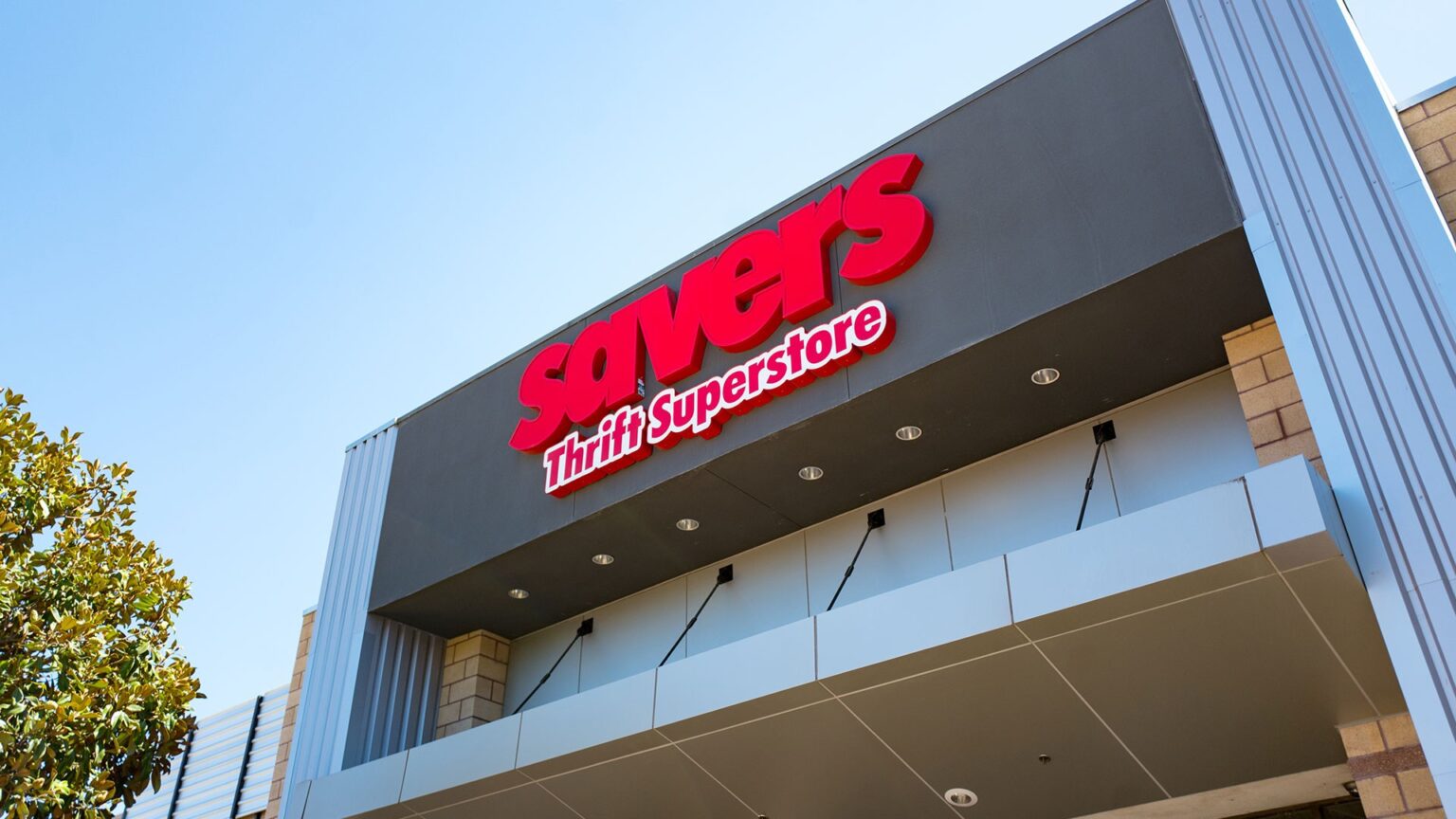


AMERICANS looking to declutter by donating to Savers will want to make sure they’re not bringing any banned items.
The thrift store has a full list of banned items on its website, but five are especially strictly enforced for the complications they can pose.
Sign up for the Fabulous newsletter
Thank you!
Savers has confirmed the list of banned items it cannot accept for donation under any circumstances Credit: Getty
Furniture and similarly bulky items are a major part of the store’s banned items list Credit: jada photo
One of the strictest types of banned items are general infant products, as the retailer is prohibited from accepting them by law.
It also restricts the kinds of TV sets and computer monitors it accepts, specifically banning large cabinet TVs, and those using CRT screens.
But Savers will accept working LCD, LED, and plasma flat screens for homeowners looking to get rid of them.
Other banned items include mattresses, damaged furniture, and large appliances.
Mattresses are also banned by Savers, likely due to the stigma around buying secondhand bedding Credit: Getty
Large appliances like ovens also can’t be accepted, with comparable retailers citing disposal issues if they can’t get the bulky items to sell Credit: Getty
Savers doesn’t elaborate on why these items are banned on its website, but quality issues that could impact their ability to be resold are likely a big reason.
Other thrift stores with similar banned item lists like the Salvation Army cite similar reasons for goods it rejects.
Its official website explains that these items are rejected due to the disposal issues they create if they can’t be sold to customers.
“This costs our stores money that could otherwise be used to help people,” said Major Jerry O’Neil, who helps oversee Salvation Army stores in Minnesota’s Twin Cities area, on the store’s official website.
Goodwill’s list is much more expansive than either of its competitors, but still follows the same general guidelines in terms of what’s included.
It adds to the others’ lists by shouting out chemicals, lightbulbs, medical devices, taxidermy, carboard, metal, and plastic products that don’t have alternate uses, fishing equipment, large instruments, and more as banned.
But it provided Americans with what to consider when deciding whether or not an item could and should be brought in and donated.
“A good rule of thumb is to consider whether the item you’re donating is something you’d feel comfortable giving to a friend or neighbor,” a Goodwill rep told The U.S. Jattvibe.