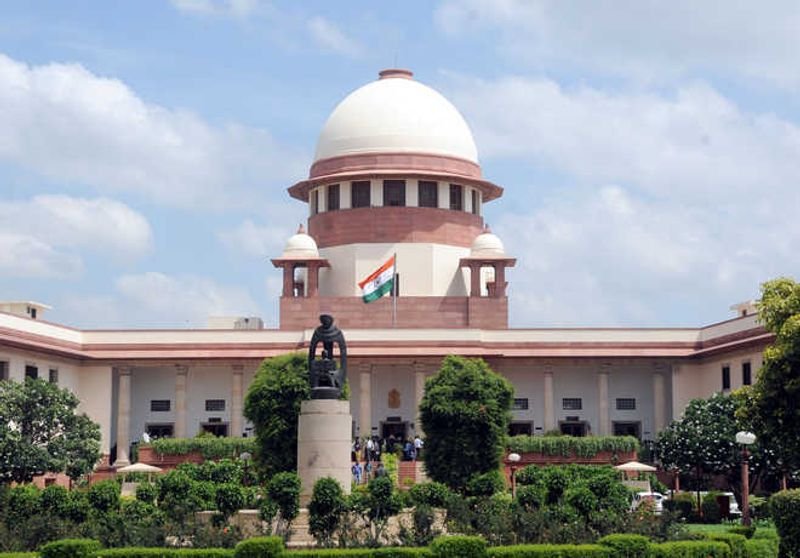

Emphasising the need for listening to protesting youngsters, the Supreme Court on Wednesday said law enforcement agencies should exercise restraint while dealing with them even if some “misguided elements” indulge in stone-pelting.“We need to tread carefully so that these youngsters do not indulge in violence. The better course is to counsel them and pacify them. The most powerful tool is listening. Listen to them and understand why they are shouting,” a Bench led by Chief Justice Surya Kant said.“Any aggressive action in the name of the ‘mighty state’ can unnecessarily aggravate the situation and precipitate further violence… That needs to be avoided,” it added.The Bench, which also included Justice Joymalya Bagchi and Justice V Mohana, however, agreed to hear a petition seeking action against the organisers of the July 20 “Sansad Chalo” march for allegedly inciting violence.The top court’s comments came after advocate Rizwan Ahmed, representing petitioner Maneesh Kumar Solanki, a former Indian Air Force officer, said, “Fifteen days have passed… What about the accountability of the organisers? They are going from channel to channel giving provocative statements and refusing to douse the fire.”The Bench, which had on July 28 ordered that no coercive action should be taken against protesters and had ordered the immediate release of minors detained by the police, clubbed Solanki’s petition with a similar petition. The top court had clarified that the benefit would not extend to those accused of serious offences.“Better we hear this with the batch of other matters where several related issues are pending. We are open to all kinds of suggestions, viewpoints and dissenting views,” the Bench noted.Ahmed contended that while accountability had been sought from the government and the police over the July 20 violence, no action had been taken against the protest organisers even after 15 days even as they continued to make provocative public statements. The organisers should be held responsible for the violence, he submitted.Allowing the protesters to violate police-imposed conditions and to attempt to march towards Parliament despite permission being denied would set a dangerous precedent, Ahmed said.“In the present case… if the government is on the back foot, society cannot be on the back foot. The law cannot be on the back foot,” he submitted.“There was no permission for the July 20 march. Twenty-two conditions were violated by the organisation, which was not even registered. How could they be allowed to march to Parliament or enter the temple of democracy? Who knew someone among them did not have a country-made pistol or a bomb,” the counsel said.“Let us leave it to the wisdom of the law enforcement agencies. They know better how to handle situations on the ground. We are open to hearing all sides and all kinds of opinions. Let the government also respond to this,” the Bench said.