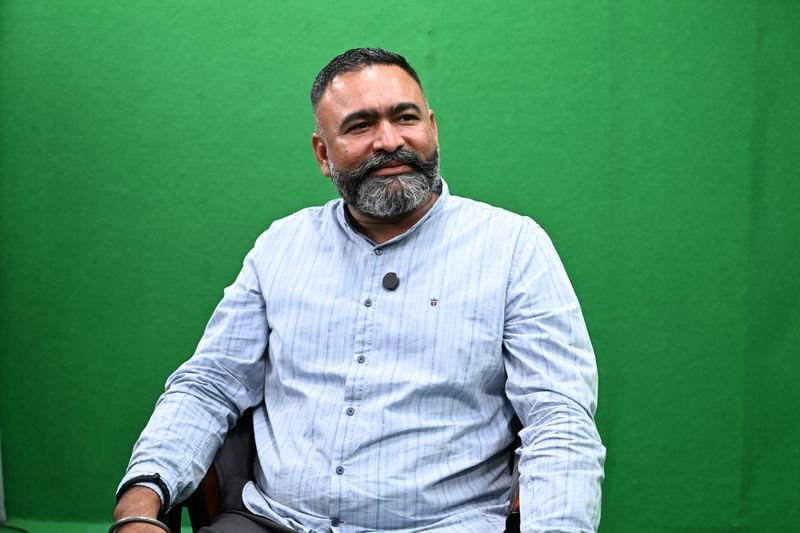

Disappointed with the system and lack of recognition for years of work, archery coach Jiwanjot Singh Teja quit his job, moved to Canada with his family and drove a truck for several months to make a living.The hurt began when his name was dropped from the Dronacharya list days before the ceremony. “My name was in the top five and I was the youngest. Everyone congratulated me, but for no reason, my name was not included in the list 10 days before the function,” Teja said in an interview with The Tribune.He said his players went to Delhi to meet the Sports Minister on his behalf, but there was no response. “I put in so much work, but didn’t get any recognition. That’s why I was so angry,” he said.After the 2018 Asian Games, he resigned and moved to Canada. Based in Brampton, he drove a 75-foot truck and trailer between Canada and the US. “Sometimes, you have to drive 1,100 km, close the logbook and sleep. You have to wait 10 hours before driving again. I did it for my family,” he said.The Dronacharya Award came through when he was in Canada. “I got a call about the award. I thought it was a joke,” Teja recalled.His students then urged him to come home for good. “They told me ‘come back, we have to think about the future’,” the coach said, before citing his bond with the mentees as his reason to return.Teja traces the beginning of his journey to a government school in Patiala, where his teacher parents wanted him to take up a sport. A physical education teacher recommended archery.He joined Punjabi University, Patiala, as a coach in 2007, when the compound discipline was still new to India. Under his tutelage, he said, the university produced 35 international archers.Five of his students are Arjuna awardees.His method was to cast the net wide. “What I thought was to bring in kids in large numbers and then let the talent filter itself,” he said.In Punjab, the number of seats rose from 1,400-1,500 to 2,000. Sports, he believed, would also keep children away from drugs.Teja was blunt when speaking of parents and coaches chasing quick results. “The parents want their kids to become famous, receive awards and jobs quickly. That is why the talent stops there,” he said. His message was simple: “Go to the ground for an hour, be it the morning or the evening. Pick up a sport, enjoy and keep playing.”